
Last updated November 23, 2026
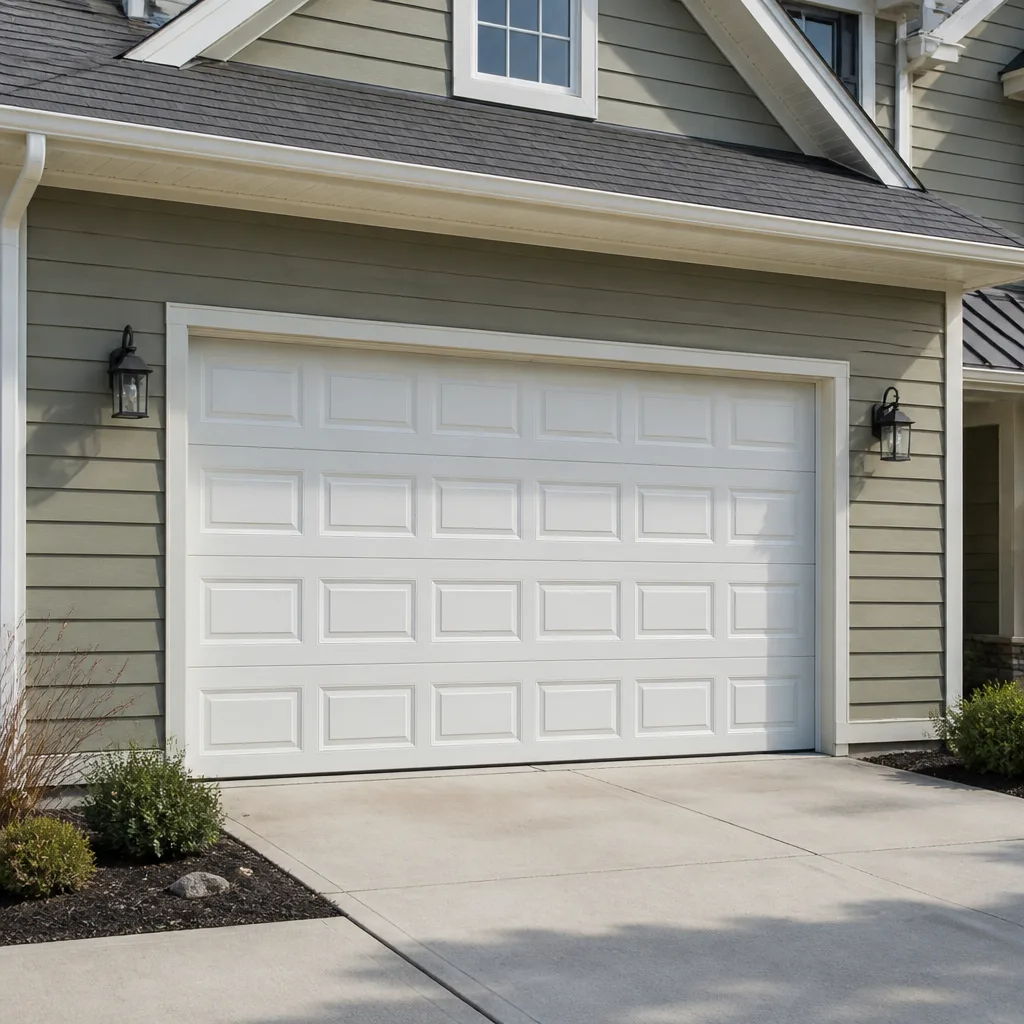 Raised-panel steel
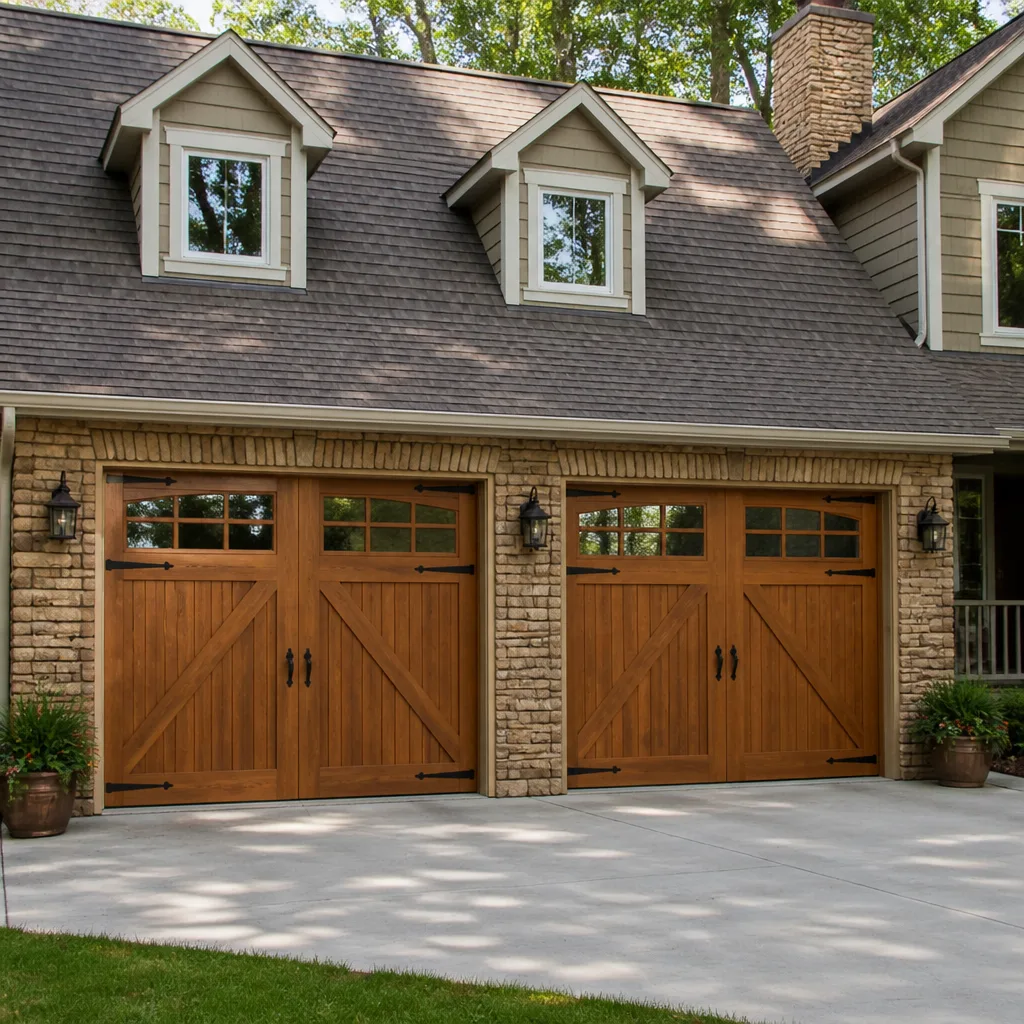 Carriage house
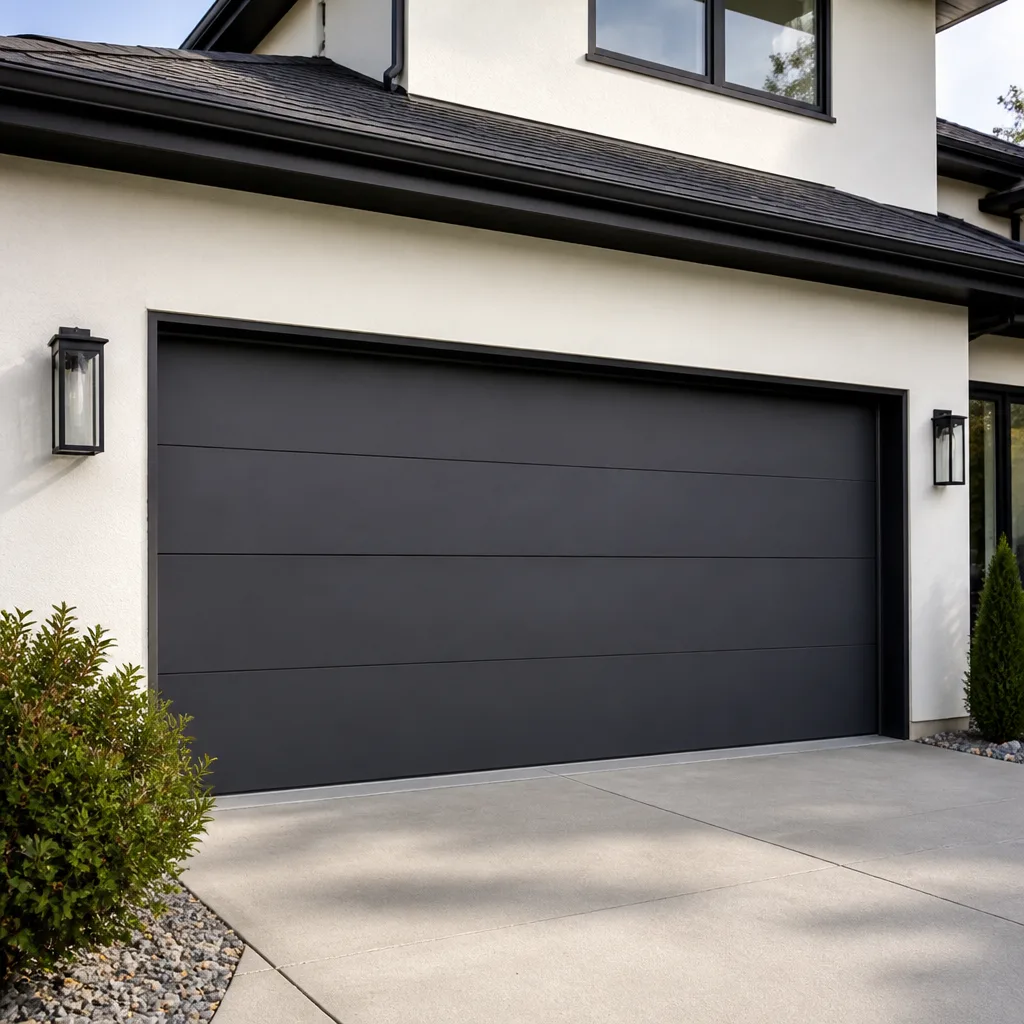 Modern flush
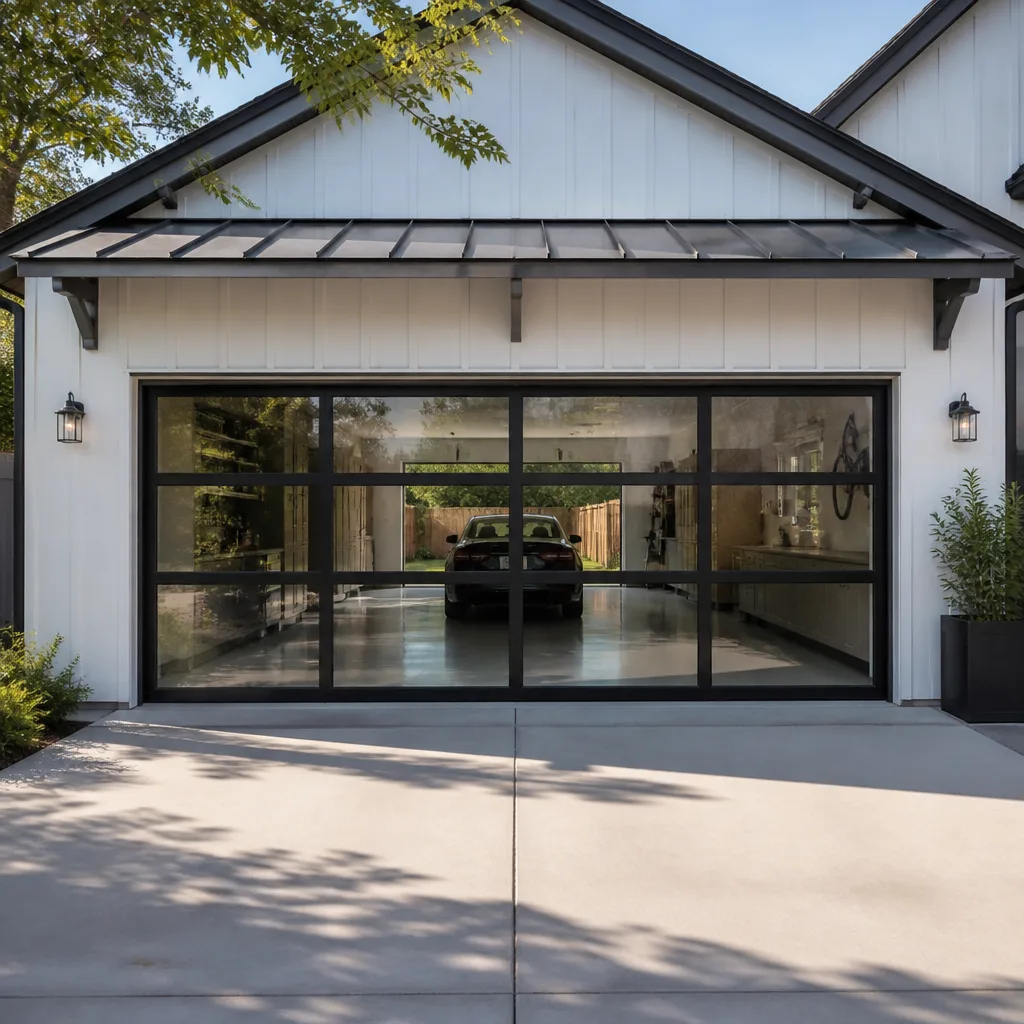 Full-view glass
 LiftMaster openers
 Chamberlain openers
Full 25-point door and opener safety check with every visit - springs, cables, rollers, tracks, and your LiftMaster or Chamberlain opener included
You get a price before we start. It does not change when the pro arrives.
Get your free estimateSeasonal Garage Door Care for Hamilton: Year-Round Homeowner’s Guide
Most homeowners think a garage door needs one good tune-up a year and that’s the end of it. But in Hamilton, our seasons don’t stress the door evenly. Winter hammers the springs and bottom seal. Spring exposes the wear that winter left behind. Summer cooks the opener’s circuit board and track. Fall is the window where a little lubrication actually pays off. A single annual service, no matter when you book it, is timed wrong for three of those four seasons. This guide maps the failure calendar for Hamilton homes and gives you four lightweight checks you can run in about ten minutes each, timed to what actually breaks when.
Quick Answer
Garage doors in Hamilton fail on a seasonal pattern: springs peak in January and February, bottom seals crack through the freeze-thaw cycle of deep winter, openers and tracks show heat-related faults on hot summer afternoons, and fall is the highest-return season for lubrication and weather seal inspection. Four short seasonal walk-arounds, timed to each season’s weakest component, do more for your door than one annual tune-up because they catch developing problems while they’re still cheap to fix. Call (833) 482-6774 for a free estimate when a check turns up something you can’t handle safely.
Styles & brands we work with
- Raised-panel steel
- Carriage house
- Modern flush
- Full-view glass
- LiftMaster openers
- Chamberlain openers
Table of Contents
- Why Hamilton’s Seasons Hit Different Parts of Your Door
- Winter: Springs, Freeze-Thaw, and the Bottom Seal
- Spring: The Post-Winter Component Audit
- Summer: Heat, Circuit Boards, and Doors That Reverse on Their Own
- Fall: The Pre-Winter Prep That Pays Off Most
- The 10-Minute Seasonal Walk-Around Habit
- Seasonal Failure Calendar at a Glance
- Common Mistakes to Avoid
Why Hamilton’s Seasons Hit Different Parts of Your Door
Garage door springs fail most often in January and February in Hamilton, and the reason isn’t that cold weakens steel on its own. It’s a cycle-count problem. When the temperature drops, the door runs more often. Cars warm up indoors instead of in the driveway. People make extra trips in and out of the house through the garage instead of the front door. Every one of those trips is a full open-and-close cycle on metal that’s already contracted from the cold. Torsion springs are rated for a set number of cycles regardless of the month, so a winter that stacks extra cycles on top of normal household use simply runs the counter down faster than a mild season would.
Then the thaw hits. Hamilton sits in a band where the snow and ice of January and February melt and refreeze across the late winter and early spring. That freeze-thaw cycle is what punishes the bottom seal, not the cold alone. Water gets into the rubber seal, freezes, expands, and cracks it open. Repeat that a few times and a seal that looked fine in December is splitting at the edges by March.
By summer, the problem shifts again. Heat expands the metal track and can distort the opener’s circuit board, which is why doors sometimes reverse without a command on a hot afternoon. By fall, you’re preparing the door for the next winter, and lubrication plus a weather seal inspection give you the most return on ten minutes of work.
This is why an annual tune-up, useful as it is, isn’t the whole strategy. The most helpful checks come at four different times of year, aimed at the component each season actually threatens. If you want a full inspection between seasonal checks, our garage door repair team can go over the whole system.
Winter: Springs, Freeze-Thaw, and the Bottom Seal
The two winter stresses in Hamilton are spring cycle load and freeze-thaw damage to the bottom seal. Both are manageable if you know what to listen for and look at.
What to check on the springs
We’re not going to tell you to touch your springs. Torsion springs, and the cables they hold under tension, are the most hazardous part of a garage door. A spring under load can release stored energy with enough force to cause serious injury, which is why spring work is a specialist job and not something to attempt with a general toolkit. What you can do safely from the floor is listen and look.
- Listen for a loud bang. A spring failure often sounds like a sharp snap or bang, sometimes loud enough to hear from another room. If you hear it and the door won’t lift, stop trying to open it with the opener.
- Look for a visible gap. On torsion springs, a break often shows as a gap in the coil. On extension springs, a stretched or twisted spring is a sign to stop using the door.
- Check for a sagging door. If the door rises partway and hangs, the spring has likely failed. Don’t keep running the opener against it.
If a spring has broken, call us. Our technicians have up to 8 years of experience, and spring replacement is one of our core specialties. A matched pair of springs is usually replaced together because they wear as a pair, so ask for the pair quote rather than a single-spring estimate.
The bottom seal and the freeze-thaw fix
The bottom seal takes the freeze-thaw beating. During winter, check the rubber along the bottom edge of the door for cracks, splits, or a seal that’s pulling away from the door panel.
For an immediate, temporary stopgap: a split seal lets cold air and water in, so in the short term keep the door closed when you’re not using it and clear snow and ice away from the base of the opening so water doesn’t pool against the seal. That’s a stopgap, not a fix. A cracked seal will keep cracking. A proper seal replacement involves removing the old rubber, checking the bottom edge of the door for damage, and fitting a new seal that actually meets the floor. Call us to schedule that; it’s measured and scheduled work, so we’ll give you a free measure and a written price.
Winter is also when a door that was on the edge of failure finally gives out. If the door is stuck open and you need to secure the house, see our note on garage door opener repair if the opener itself is the culprit, or call us for same-day help.
Spring: The Post-Winter Component Audit
Once the freeze-thaw cycle winds down, do a full walk-around to find what winter left behind. Spring is the season to audit hardware, rollers, and the opener for damage that accumulates silently over the cold months.
The spring audit list
- Look for corrosion on hardware. Hinges, brackets, and fasteners take on moisture from melting snow and ice sitting against the door. Surface rust on a hinge isn’t a crisis, but rust that’s eating into the metal means a replacement is coming. Salt used on driveways and walkways works its way onto the door and speeds this along, so wipe down any visible salt or grit.
- Check the rollers for wear. Winter’s cold contracts the track slightly. When rollers run against a contracted track, they wear faster. Rollers that look flat-spotted, cracked, or rough are a sign to have them swapped.
- Listen to the opener. Winter overuse plus the cold puts strain on the opener. A door that ran quietly in October and grinds or stalls in March is carrying a load the opener has to overcome. That’s a sign the springs or hardware are lagging, not that the opener is necessarily bad.
- Run the door and watch it. Open and close it once and watch the whole arc. It should move evenly without hesitation, jerking, or a sudden drop. Any of those are worth a professional look.
- Test the auto-reverse. This is the safety feature that stops the door when it hits an object. Put a solid object like a piece of wood in the door’s path and close the door. If it doesn’t reverse, the opener needs attention. That’s a safety issue, not a cosmetic one.
Spring is also a good time to check whether the opener is a brand we service. We’re factory-familiar with eight major brands, including LiftMaster, Chamberlain, Genie, Clopay, Amarr, Wayne Dalton, Craftsman, and Raynor. Whether your door has a Craftsman opener from the local hardware store or a Raynor door matched to a LiftMaster opener, we work on what’s already on your home. If the audit turns up a full replacement need, see our garage door installation page; that work is measured and scheduled, so call for a free measure and a written price.
Summer: Heat, Circuit Boards, and Doors That Reverse on Their Own
Two summer problems trip up Hamilton homeowners: heat-related opener faults and doors that reverse without any command on a hot afternoon.
The self-reversing door
If your door reverses on its own when the afternoon sun hits it, the usual culprit is thermal expansion of the track. As the metal track warms, it can shift just enough to create friction the door reads as an obstruction. The opener’s safety system, doing its job, pushes the door back up. It’s not a ghost; it’s the door fighting its own track.
What to check without touching the tension parts:
- Look for gaps in the track. Between the rollers and the track, there should be a small, even gap along the run. A tight spot or a widened gap suggests the track has shifted.
- Check whether the door binds in the afternoon and frees up at night. That pattern points to temperature-related track movement rather than a failing opener.
- Check the safety sensor. A sensor knocked out of alignment can cause a reverse. Look for it low on the track and eyeball that the two sensors point at each other. If the sensor’s indicator light is off or flickering, the sensor is the likely cause.
If the door reverses repeatedly on hot afternoons, don’t ignore it. A door that reverses unexpectedly is a safety concern. Call us for a same-day repair; we answer 24/7 and offer fast dispatch from 7am to 7pm, Sunday through Friday.
The opener circuit board
Heat affects opener circuit boards, and a board that’s stressed by high summer temperatures can misfire, forget its travel limits, or drop its remote pairing. If your opener starts behaving erratically in July and August, the circuit board is a likely suspect. We service LiftMaster and Chamberlain openers among the eight brands we’re certified for, so odds are we’re working on the equipment already in your garage. See our garage door opener repair page for the full list of symptoms.
Fall: The Pre-Winter Prep That Pays Off Most
Fall is the one season where lubrication and weather seal inspection give you the best return on the minutes you spend. Get this sequence done before the first hard freeze.
The fall prep sequence
- Clean out the tracks. Leaves, grit, and debris collect in the track over the summer. A clean track runs smoother in the cold.
- Lubricate the moving metal parts. Hinges, rollers, and the spring coils (with a proper garage door lubricant, not generic oil) benefit from a light application. Lubrication on the hinges and rollers reduces friction that the cold will amplify. Don’t spray anything on the tracks themselves; they should be clean and dry.
- Inspect the weather seal around the whole opening. Look at the bottom seal and the side and top seals. Any cracks, gaps, or seals pulling away from the door frame will let cold air and water in all winter. This is the check that saves you a spring repair on the seal.
- Test the balance of the door. With the door closed, pull the emergency release so the door runs free, then lift the door about halfway and let go. A balanced door should stay put. A door that drops or rises on its own is telling you the springs need a professional look. Don’t attempt to adjust the springs yourself. Re-engage the release when you’re done.
- Test the auto-reverse again. Same test as the spring audit; the door should reverse when it meets an object.
- Check the opener’s force setting light. If the opener’s built-in force adjustment light is flashing a fault, have it looked at before winter puts more cycles on it.
The fall prep sequence is essentially free of cost (a can of proper garage door lubricant, ten minutes) and it targets the two components winter punishes hardest: the seal and the friction points. Do it once before the freeze and you’ve pre-empted the most common winter call we get.
The 10-Minute Seasonal Walk-Around Habit
Here’s how to build the habit. The point is to make four short checks, one per season, that catch most developing problems before they turn into emergency calls. Ten minutes each. No tools except a can of garage door lubricant in the fall.
Step 1: Run the door and listen. Open and close it once. Note any grinding, jerking, hesitation, or bang. A normal door runs smoothly and quietly.
Step 2: Look at the springs and cables from the floor. A visible gap, a stretched spring, or a frayed cable at the floor level tells you to stop and call. Never touch these parts.
Step 3: Check the bottom seal and side seals. Cracks, splitting, or pulled-away seals need replacement.
Step 4: Test the auto-reverse. Object in the door path, close the door, and confirm it reverses.
Do those four things each season and you’ll catch most developing problems at the point where they’re still cheap to fix. A grinding hinge, a cracked seal, a door that reverses unexpectedly; all of these are easier and cheaper to address before they leave you stuck in the driveway. If a check turns up something you can’t safely handle, our Hamilton Garage Door Repair Co team can help.
Seasonal Failure Calendar at a Glance
Here’s the seasonal map in table form. Use it as a reference when you’re planning your check.
- Winter (January and February): Spring failure peaks from stacked cycles on cold metal. Bottom seal cracks from freeze-thaw. Check: spring condition from the floor, bottom seal integrity, door balance. Response: spring repair is a specialist call; seal replacement is a scheduled measure-and-quote job.
- Spring (March and April): Post-winter audit. Salt and moisture corrosion on hinges and hardware, roller wear from cold-contracted tracks, opener strain from winter overuse. Check: hinges, rollers, opener sound, auto-reverse. Response: roller and hinge replacement if worn; opener repair if it’s misbehaving.
- Summer (June through August): Heat. Track thermal expansion causing uncommanded reversals; opener circuit board faults. Check: track gaps, sensor alignment, whether the reversal pattern tracks the heat. Response: track realignment or opener repair; same-day repair available when it’s a safety issue.
- Fall (September and October): Pre-winter prep. Lubrication and weather seal inspection give the best return. Check: track cleanliness, hinges and rollers, bottom and side seals, door balance, auto-reverse, opener force light. Response: lubrication and seal replacement if worn.
Common Mistakes to Avoid
- Booking one annual tune-up and expecting it to cover all four seasons. A single visit in spring can’t check for summer heat damage or prep for winter freeze-thaw. The seasonal map above exists because each season stresses different components.
- Treating the bottom seal as cosmetic. A cracked seal in Hamilton isn’t just a draft issue. Water freezing into a split seal widens it, and an open seal lets water into the garage where it can freeze on the floor. Replace it, don’t patch it.
- Forcing a door that won’t open. If a spring has broken, running the opener against a sagging door strains the opener and can damage the door panels. Stop using the opener; call for repair.
- Lubricating the tracks. Rollers should roll, not slide. Lubricant in the tracks attracts grit and makes the door harder to operate. Keep the tracks clean and dry; lubricate the hinges, rollers, and spring coils only.
- Ignoring an afternoon reversal on hot days. A door that reverses without command is a safety problem, not a quirk. It’s often the track expanding, but a misaligned safety sensor causes it too.
- Trying to adjust springs yourself. Springs and the cables they tension are the most dangerous parts of the door. This is a specialist job; every spring we replace is treated as hazardous work by a trained technician.
- Assuming a broken opener needs a whole new unit. Often the circuit board, sensors, or travel limits are the fault. Bring what’s failing; we work on the brand that’s already on your door.
See the difference
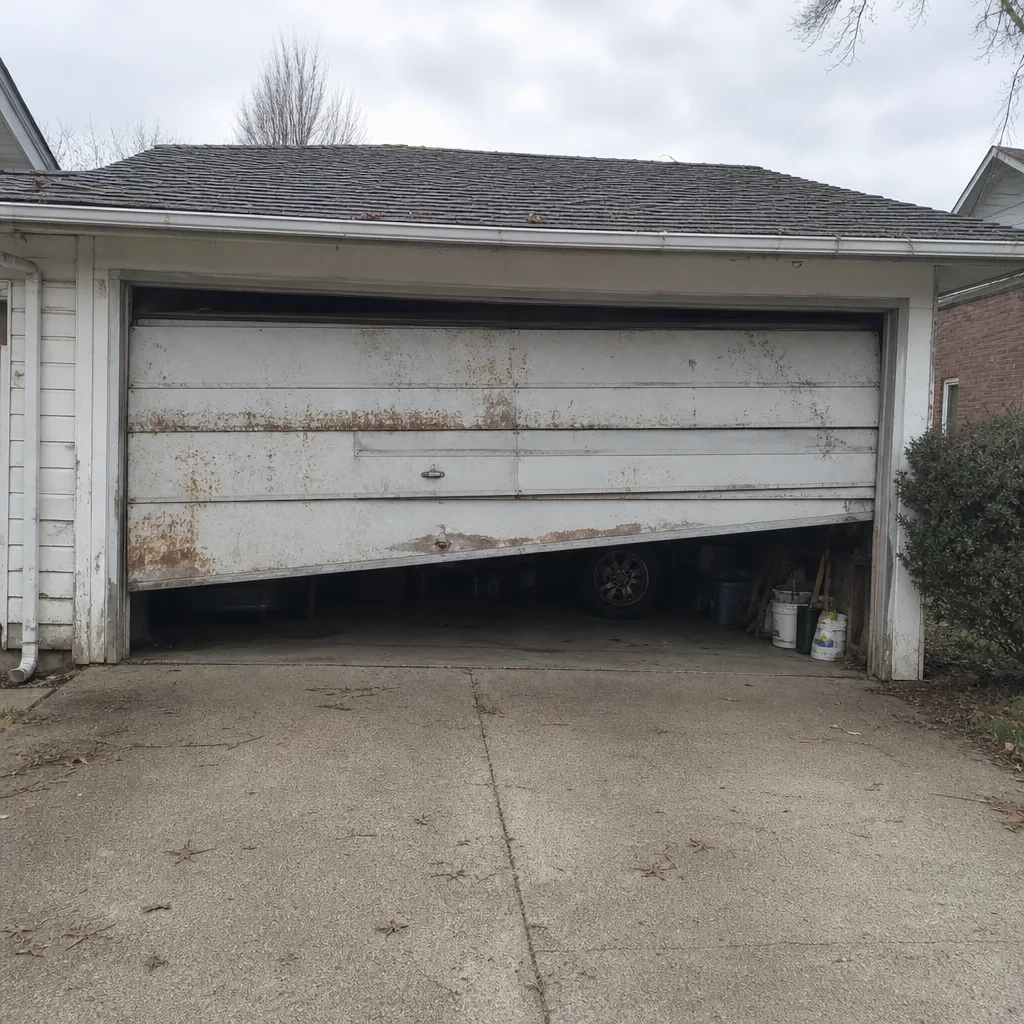 Before
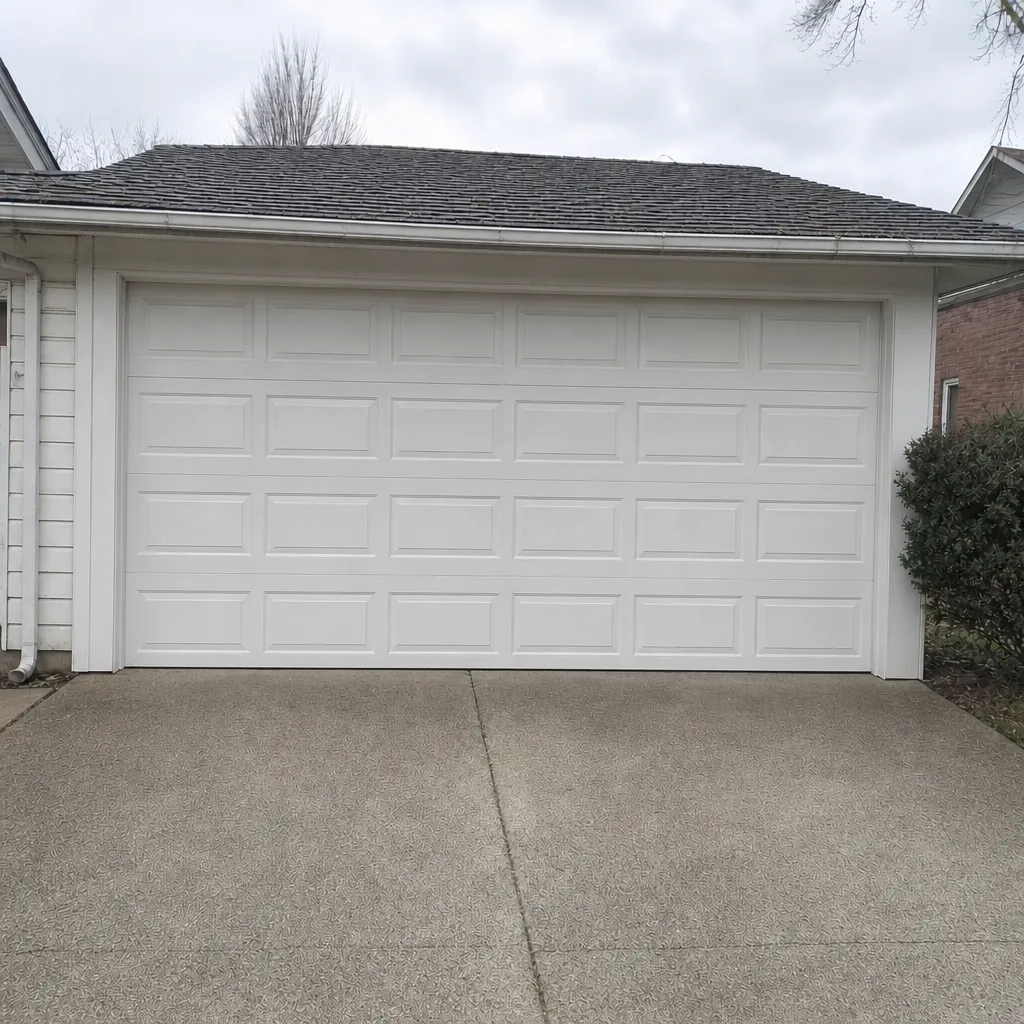 After
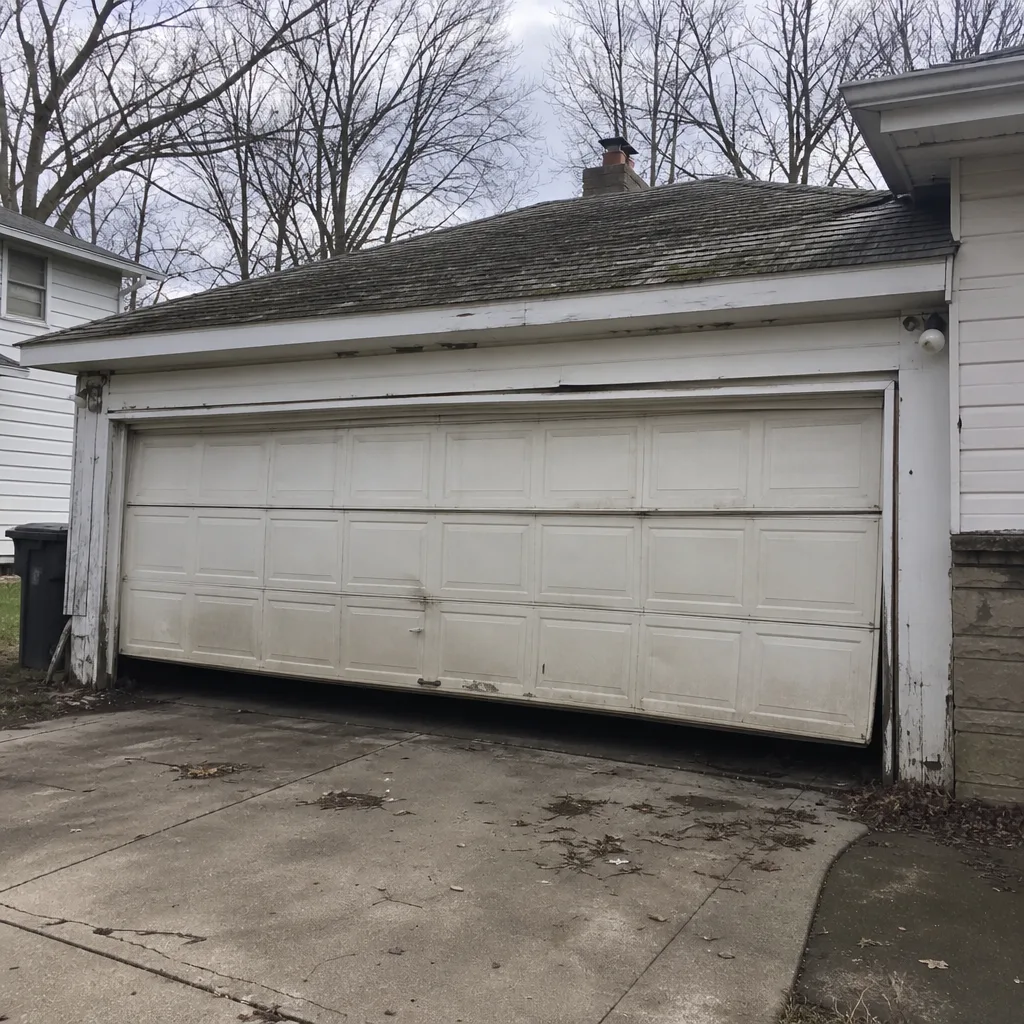 Before
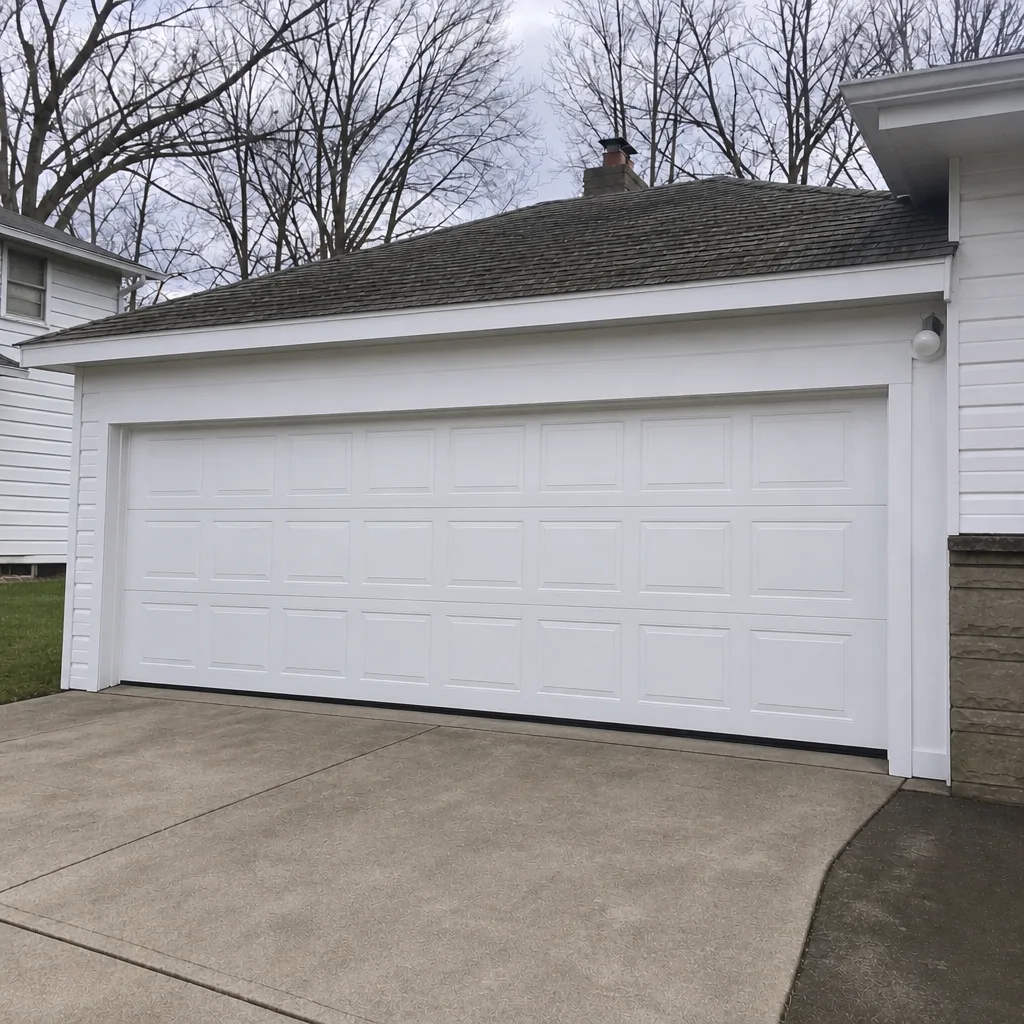 After
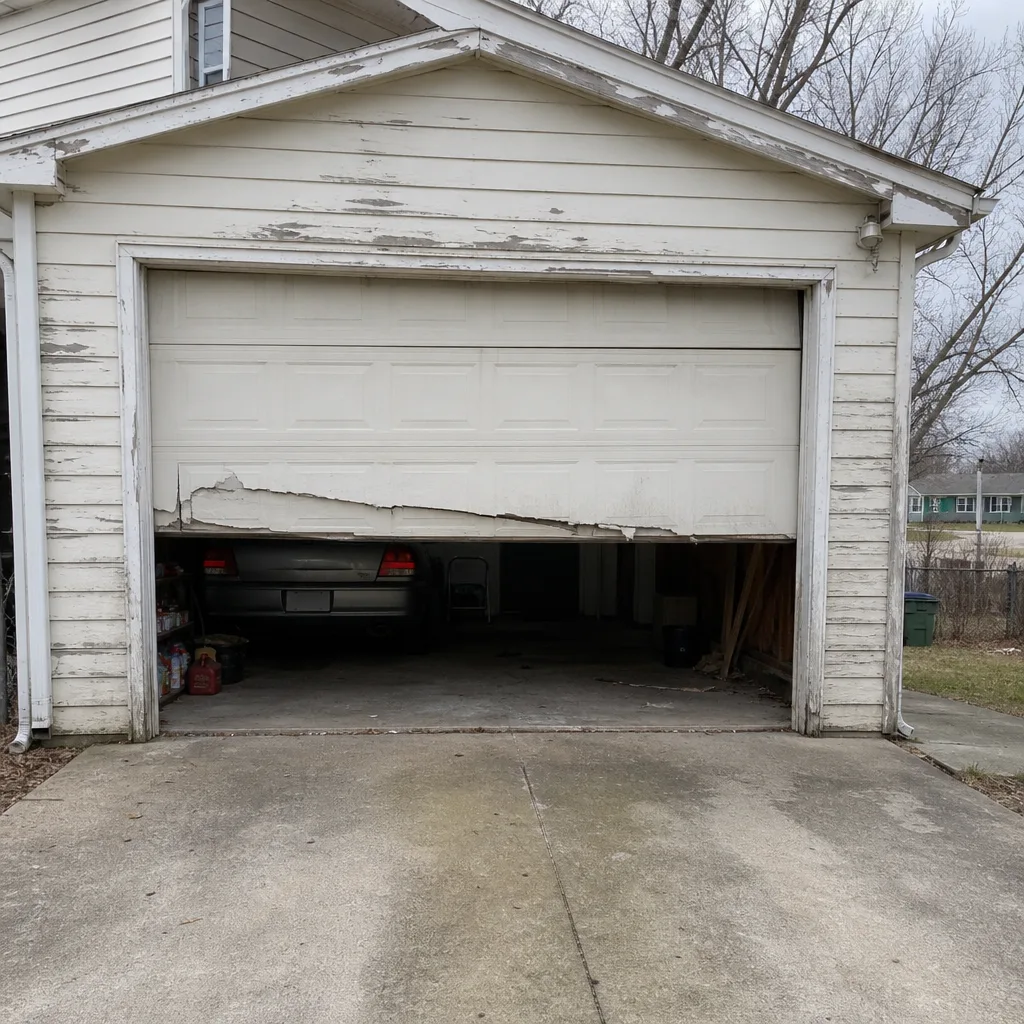 Before
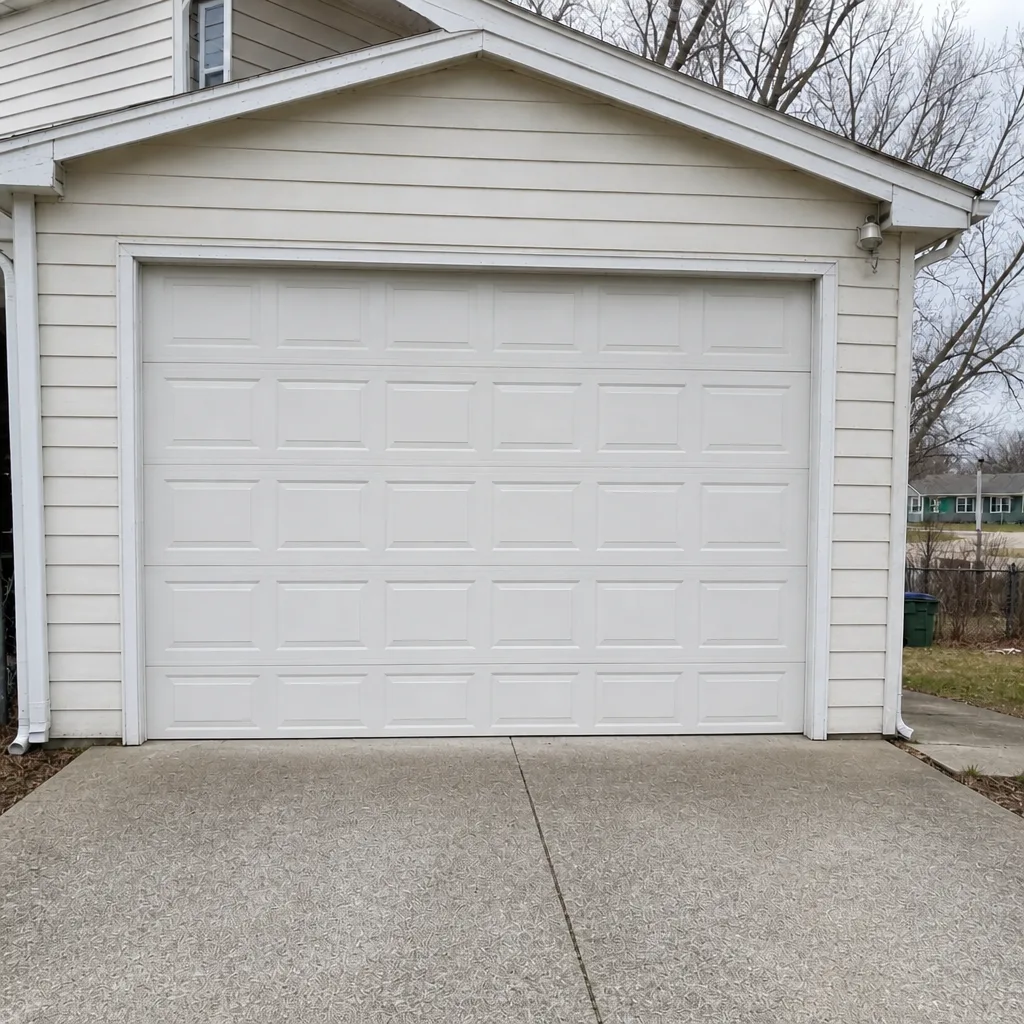 After
When to Call a Professional
Some seasonal findings you can handle with a lubricant and a new seal. Others need a trained technician. Call us if a spring shows a visible gap or a door hangs partway up; springs and cables are the highest-risk parts of the system. Call if the door reverses unpredictably, hesitates, or slams. Call if a door is stuck open and the house isn’t secure, or stuck closed and the car won’t come out. Call if the opener is grinding, misfiring, or dropping its settings. And call in winter if a failed seal has let water into the garage. Hamilton Garage Door Repair Co offers free estimates in Hamilton: call (833) 482-6774. We answer 24/7. Fast dispatch from 7am to 7pm, Sunday through Friday. The estimate is free and the price is set per job by the written estimate, agreed before any work starts.
Frequently Asked Questions
Garage door springs fail most often in January and February in Hamilton. Cold contracts the metal and the door runs more cycles because cars warm up indoors, and those stacked cycles wear down springs rated for a set number of cycles. If you hear a loud bang and the door won’t lift, call (833) 482-6774 for same-day repair; spring replacement is a specialty service.
Spring repair pricing is per spring and depends on the door’s spring type and the matched pair. A matched pair is usually replaced together because they wear as a pair, so ask for the pair quote. We quote and agree the price in a free written estimate before any work starts. Call (833) 482-6774 for an exact quote.
Yes, we offer same-day garage door repair in Hamilton for doors that won’t open or won’t secure the house. We answer 24/7 and dispatch from 7am to 7pm, Sunday through Friday. Call (833) 482-6774 and describe what the door is doing so we can help.
A door that reverses on its own on hot afternoons is usually experiencing thermal expansion of the track, which creates friction the opener reads as an obstruction. A misaligned safety sensor can cause the same thing. If the pattern tracks the heat, that’s a sign to have the track and sensors checked. Call (833) 482-6774 for same-day repair.
No, a single annual tune-up is not enough for a Hamilton garage door, because the seasons stress different components. Winter punishes springs and seals, spring exposes corrosion and roller wear, summer heats the track and opener board, and fall is the right time to lubricate and inspect seals. Four lightweight seasonal checks work better than one annual visit.
Yes, the local professionals we connect you with are licensed and insured as Ohio requires. Our technicians have up to 8 years of experience and work on the eight major brands we service, including LiftMaster, Chamberlain, Craftsman, and Raynor. Call (833) 482-6774 for a free estimate.
The Bottom Line
Hamilton’s garage door failures follow a calendar: springs peak in January and February, seals crack through freeze-thaw in deep winter, tracks and openers misfire in summer heat, and fall is when lubrication and seal inspection give the best return. Four ten-minute walk-arounds, timed to each season’s weak point, catch most developing problems before they turn into calls. Don’t touch springs yourself; they’re the most dangerous part of the system. When a check turns up something that needs a trained technician, call us for a free estimate. We answer 24/7. Fast dispatch from 7am to 7pm, Sunday through Friday.
Call (833) 482-6774 for a free estimate. Your door, your brand, we work on it.
Written by the team at Hamilton Garage Door Repair Co.