
Last updated November 23, 2026
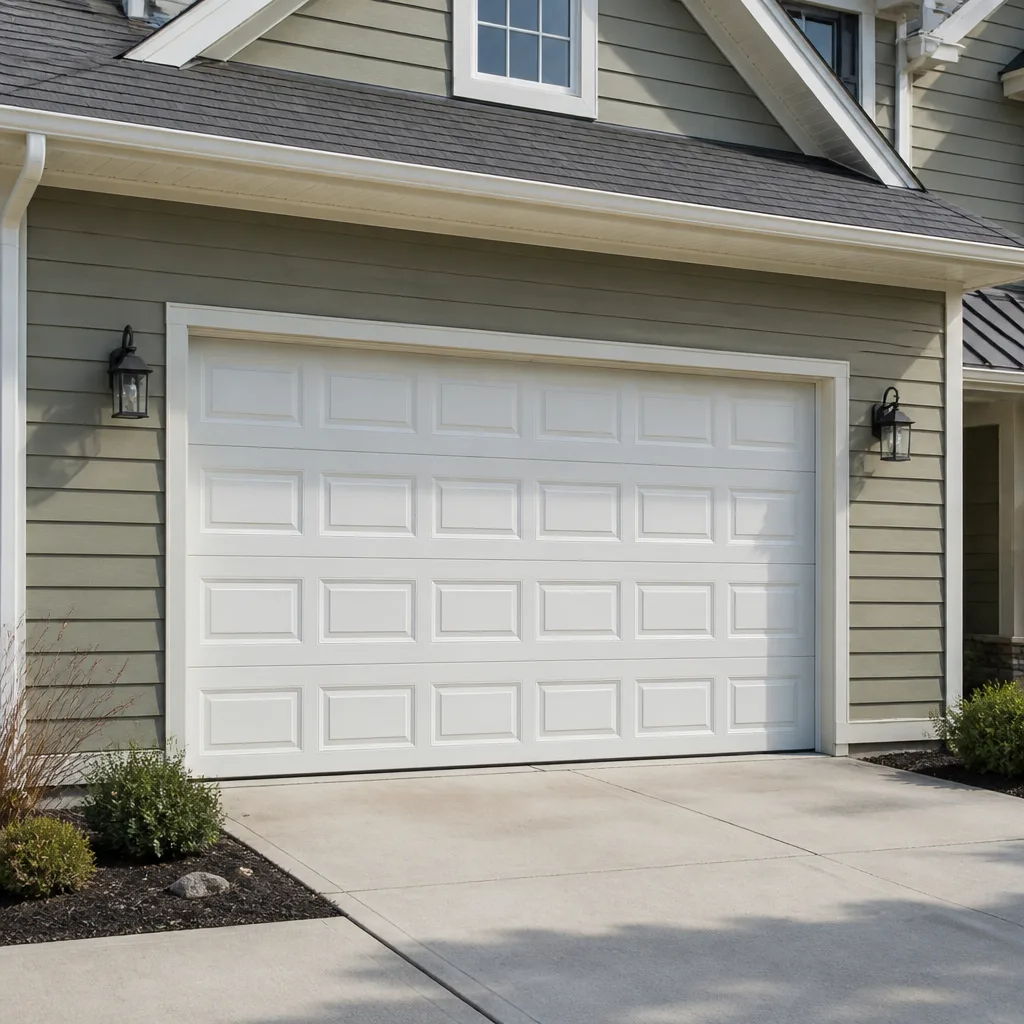 Raised-panel steel
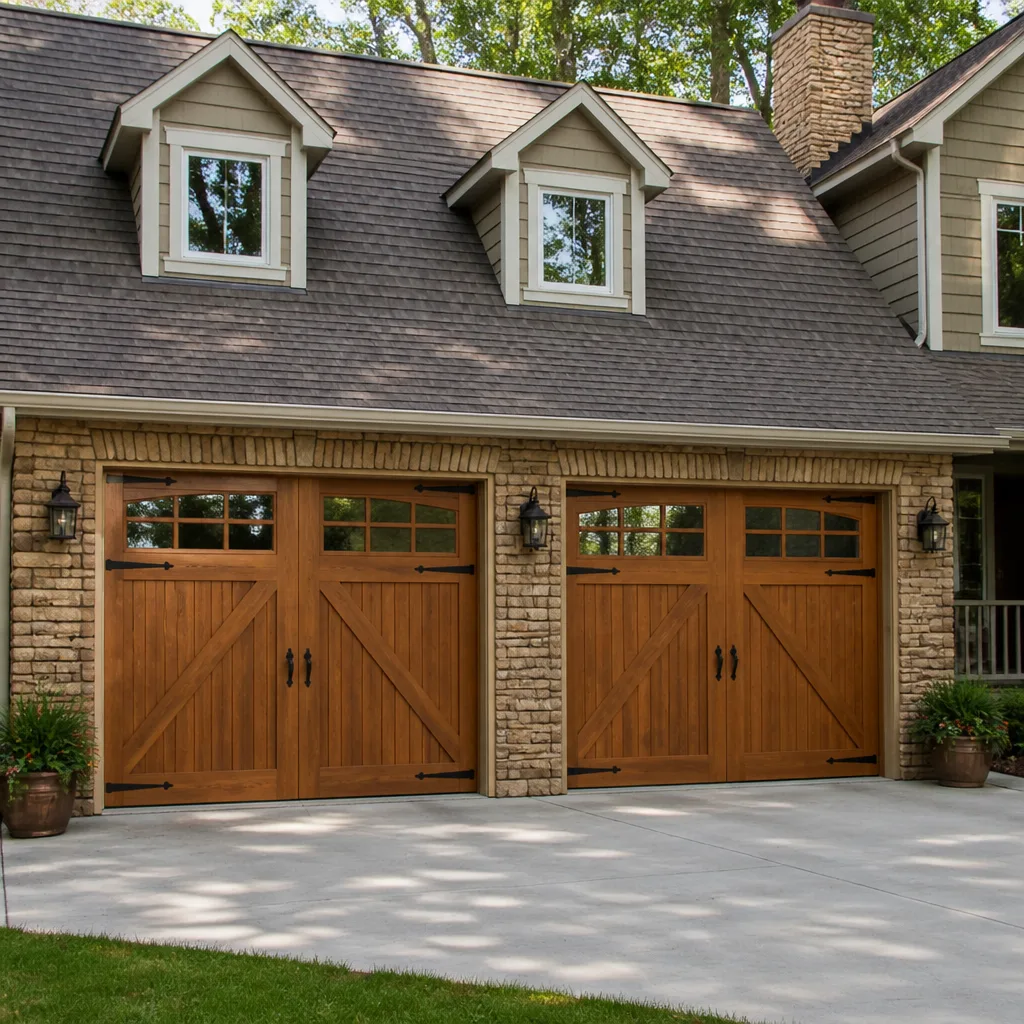 Carriage house
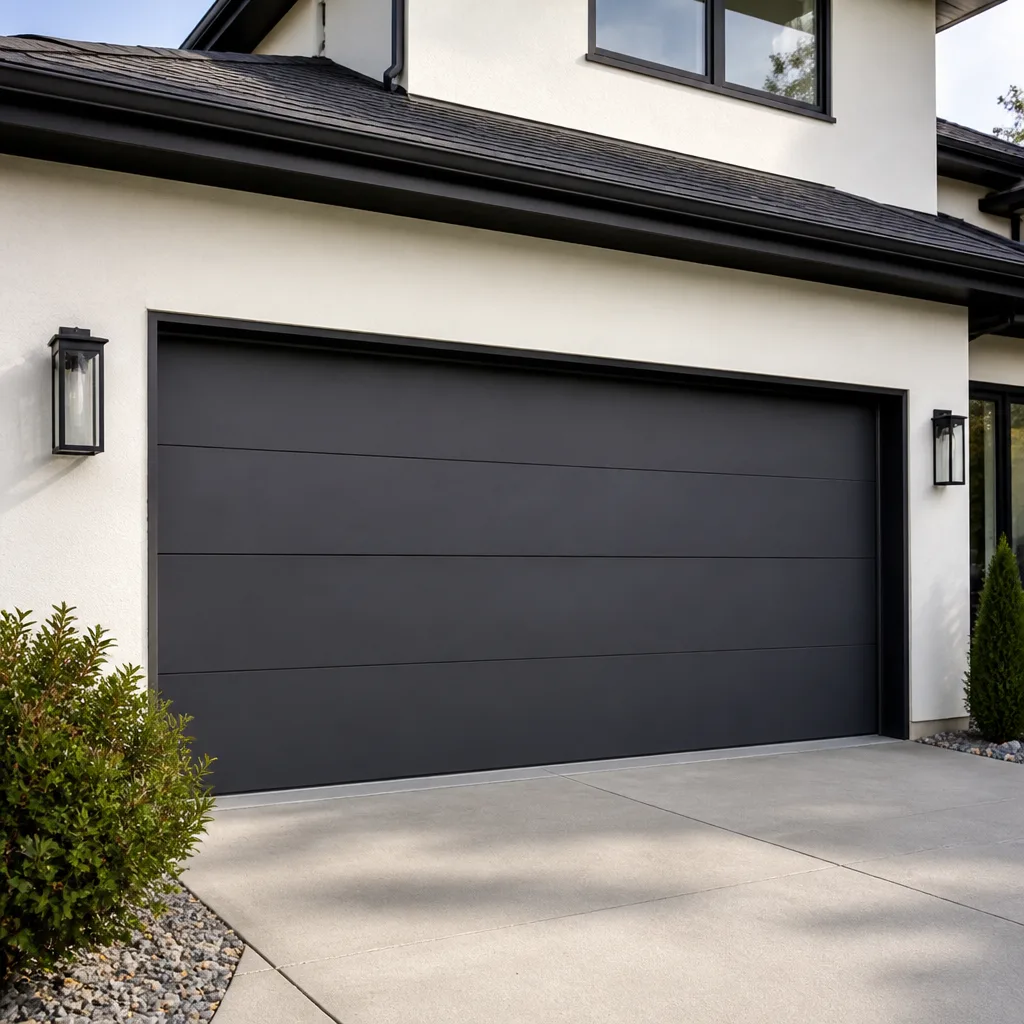 Modern flush
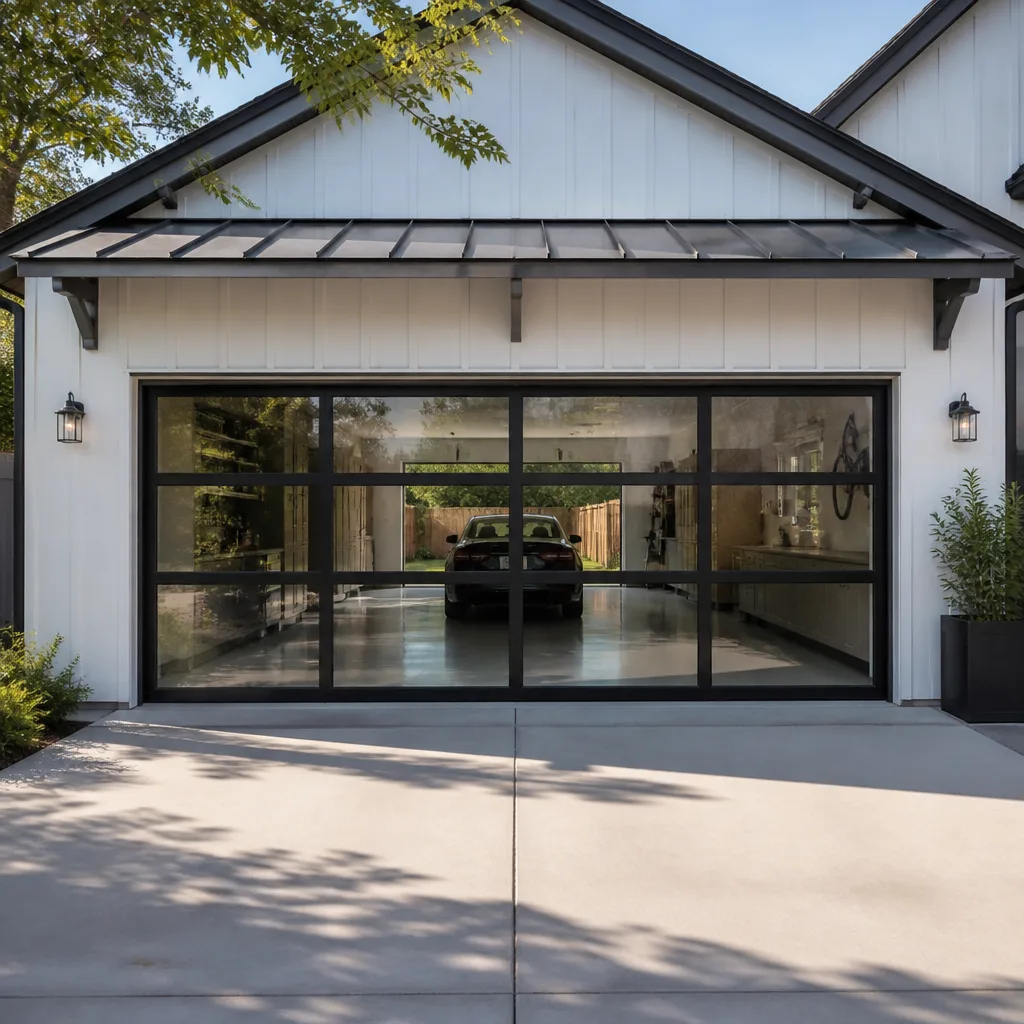 Full-view glass
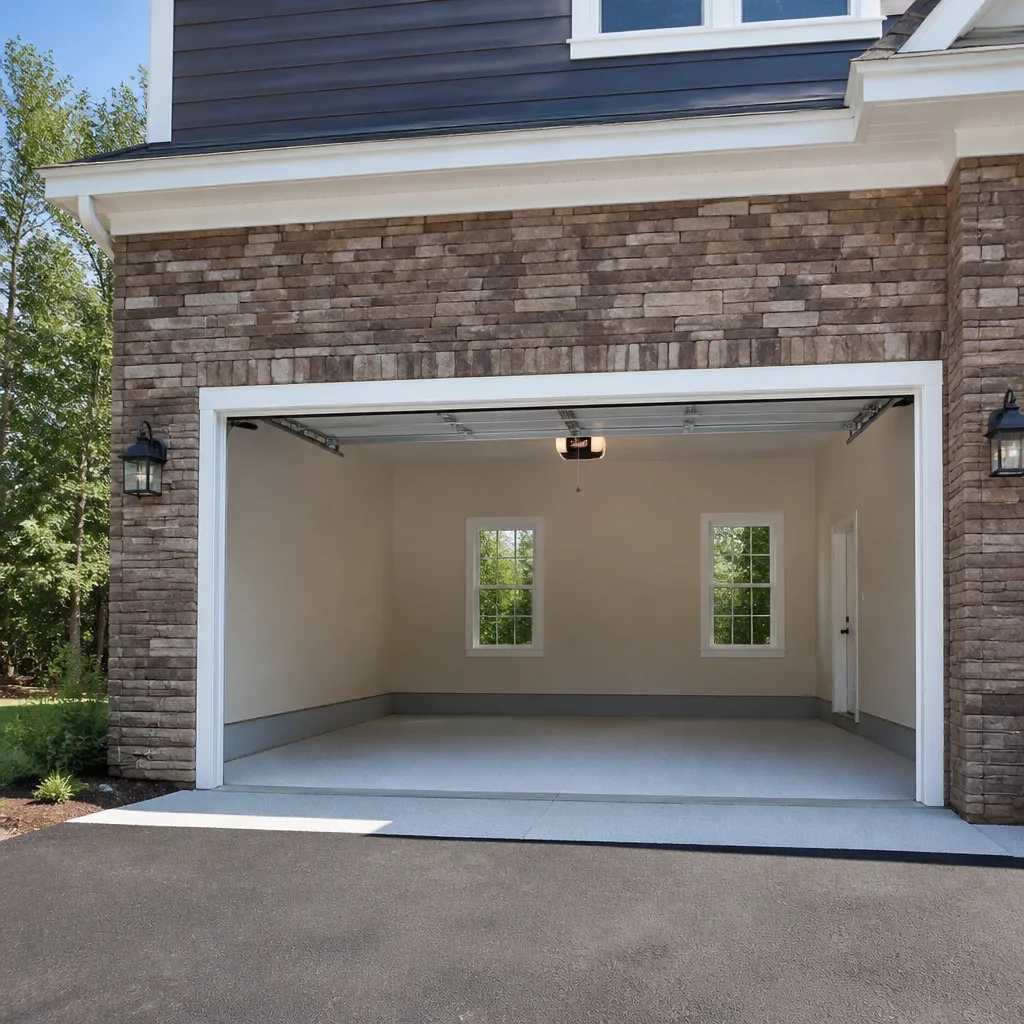 LiftMaster openers
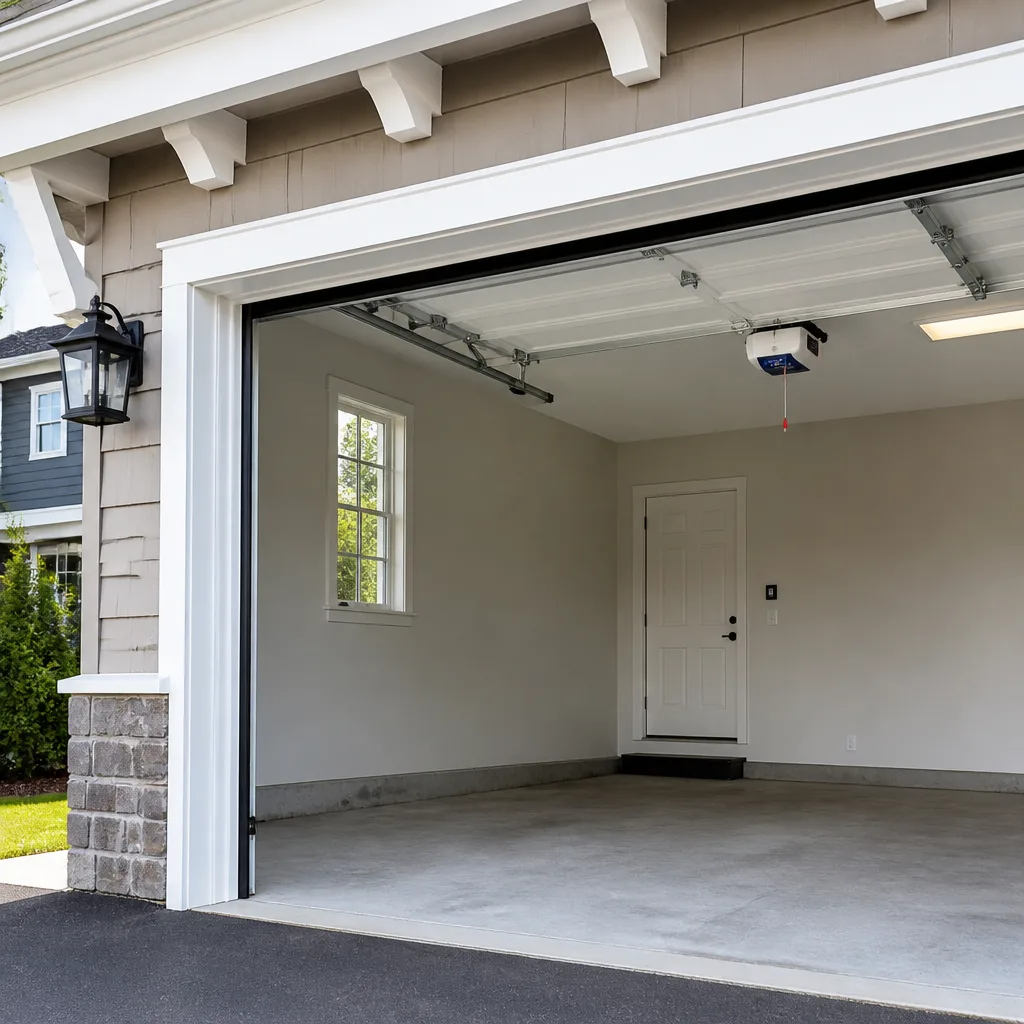 Chamberlain openers
Full 25-point door and opener safety check with every visit - springs, cables, rollers, tracks, and your LiftMaster or Chamberlain opener included
You get a price before we start. It does not change when the pro arrives.
Get your free estimateDIY vs Professional Garage Door: The Hamilton Homeowner’s Decision Guide
A torsion spring holds enough stored energy to do serious damage, and it doesn’t care how handy you are. Homeowners often make the mistake of thinking the DIY-versus-professional question comes down to skill level: confident people fix their own doors, and everyone else calls a technician. That’s the wrong way to think about it. The real dividing line isn’t skill; it’s physics. Certain garage door jobs carry a fixed danger profile that doesn’t improve with experience, and no amount of weekend confidence changes the stored energy in a wound spring. This guide does the hard work for you. We’ll draw the line clearly between the tasks that genuinely belong in your hands and the ones where the risk stays the same no matter how many YouTube videos you watch. You’ll get a task-by-task breakdown, honest cost math for the safe jobs, and a plain look at the liability you take on when something goes wrong. Written from Hamilton, this guide is for the homeowner who wants straight answers before they pick up a wrench or a phone.
Quick Answer
Safe DIY garage door tasks in Hamilton include weatherstripping, replacing a dented panel, aligning photo-eye sensors, and reprogramming remotes. Springs, cables, bottom brackets, and drums should always go to a professional, because those parts store and release lethal force that skill alone can’t make safe. Everything else, like opener installs and track adjustment, sits in a middle zone where the right call depends on your comfort and the condition of your door.
Styles & brands we work with
- Raised-panel steel
- Carriage house
- Modern flush
- Full-view glass
- LiftMaster openers
- Chamberlain openers
Table of Contents
- The Hard Line: Why Physics Sets the Rules
- What’s Actually Safe for a Hamilton Homeowner to Fix Yourself
- The Jobs That Should Never Be DIY
- The Real Cost Comparison Where DIY Is Safe
- Opener Installation: The Middle Category
- The Liability Gap: What Happens When DIY Goes Wrong
- How to Talk to a Technician About What They Did
- Hamilton Conditions That Affect Your Door
The Hard Line: Why Physics Sets the Rules
Here’s the fact that separates garage doors from every other home repair: a torsion spring holds enough stored force that a failure releases it in an instant, all at once. That’s not a metaphor about difficulty. It’s a mechanical reality, and it explains why experienced tradespeople outside this specialty still refuse to touch springs. A seasoned carpenter or electrician can frame a wall or wire a circuit, but a garage door spring follows different rules. The energy in a wound torsion spring is constant, whether a beginner or a 30-year veteran is standing next to it.
That single fact reshapes the whole DIY conversation. For most home repairs, experience shrinks the risk of injury. You get better, so you’re safer. Garage door springs break that logic. The stored energy isn’t something you learn to handle; it’s something you avoid. So when we talk about what’s safe to do yourself in Hamilton, the answer has nothing to do with whether you’re capable. It comes down to what the part is doing when you touch it.
This is why technicians categorize garage door work by risk rather than by difficulty. Difficulty asks “can I figure this out?” Risk asks “what happens if I’m wrong?” A weatherstrip job that goes sideways leaves a draft. A spring job that goes sideways can maim. Both might feel doable, and only one should stay on your list.
We’ve built the rest of this guide around that dividing line. The tasks below are grouped by what the part does under load, not by how hard they look. Once you see the categories, most of the confusion about DIY versus professional disappears.
What’s Actually Safe for a Hamilton Homeowner to Fix Yourself
Plenty of garage door maintenance lives safely in homeowner territory. These jobs involve parts that carry little or no stored energy, they don’t involve the lifting mechanism, and a mistake mostly costs you time and a few dollars. If you’re comfortable with basic tools, here’s where you can genuinely save money and skip the call.
- Weatherstripping and bottom seals. The rubber seal along the bottom of the door and the strips along the sides take a beating from Ohio’s freeze-thaw cycles. Replacing them is straightforward and keeps out drafts, water, and pests.
- Panel dent repair. A single dented section can often be worked out or a panel replaced without touching the door’s springs or cables, provided you leave the lift system alone.
- Photo-eye alignment. The safety sensors near the floor need to see each other to let the door close. If a sensor gets bumped, straightening it or cleaning the lens is a quick fix.
- Remote reprogramming. Replacing batteries or re-syncing a remote to your opener is a safe, simple task on almost any brand, including older Craftsman and Wayne Dalton units.
- Lubrication of moving parts. Keeping rollers, hinges, and tracks clean and lightly lubricated reduces strain on the whole system.
- Hardware tightening. Loose brackets and bolts along the track are common and easy to snug back down.
Notice that none of these tasks put you underneath a door that could drop or near a part holding force. That’s the pattern. If a job lets you keep your hands off the lifting hardware, you can usually take it on yourself.
One caution even here: when you’re working around the track and hinges, keep the door fully closed and stay clear of the springs and cables at all times. Even safe jobs happen near parts that aren’t safe to touch.
The Jobs That Should Never Be DIY
This is the part of the guide we care about most. These garage door components store or transfer the force that lifts the door, and they fail with enough energy to cause grave injury. It doesn’t matter that your neighbor did it once and got away with it. The risk doesn’t change based on who’s holding the wrench. These jobs belong with a trained technician, every time.
- Torsion and extension springs. The springs do the actual lifting. A wound torsion spring is under constant tension, and an extension spring is stretched under load. Releasing either one wrong can send metal across the garage faster than you can react. This is the single most dangerous repair in the trade.
- Cables. Cables run under heavy tension and hold the door’s weight in balance. A cable that slips or snaps while you’re near it is a serious hazard. Never try to adjust or remove one.
- Bottom brackets. These brackets anchor the cables at the bottom of the door and stay under load the entire time the door is down. Loosening one while the door is in place can release stored tension instantly.
- Drums and winding hardware. The cable drums at the top of a torsion system wind and unwind the cables. Getting a cable off a drum means working directly beside the spring’s stored energy.
- Anything requiring the door to be raised and propped mid-travel. Holding a door halfway open to work underneath puts you in the path of a falling door if any part of the balance system gives.
If a job on your list involves any of those five, stop. Call a professional. Our garage door repair service handles spring and cable work with the right tools, and a trained technician understands exactly what’s under load before touching a single part. It’s the one place where trying to save money genuinely isn’t worth the risk to you or anyone else in the house.
The Real Cost Comparison Where DIY Is Safe
For the tasks that are genuinely safe, the DIY-versus-professional decision often comes down to simple math: what do the parts cost, and how much of your time does the job take? Sometimes doing it yourself saves real money. Sometimes the parts alone cost almost as much as having it handled, and you’d rather spend the afternoon elsewhere. Here’s how the math usually shakes out for Hamilton homeowners.
- Weatherstripping and bottom seals. The parts are inexpensive and widely available. This is one of the clearest DIY wins if you’re comfortable on a step stool with a few hand tools. The savings are real, and the job is forgiving.
- Photo-eye sensors. If a sensor is simply misaligned, it costs nothing to fix. If one has failed outright, a replacement sensor is affordable and typically plugs in without wiring changes. Either way, DIY makes sense.
- Remote reprogramming. Basically free if it’s a battery or a sync issue. No reason to call for this one.
- Dented panel replacement. Here the math gets interesting. A replacement panel can cost a meaningful amount on its own, and matching the profile and color of an older door (especially Amarr or Raynor styles) can be tricky. If you can source the exact panel, DIY can save on labor. If matching is uncertain, professional help avoids buying the wrong part twice.
- Full opener replacement. The unit itself is a major cost of the job. With DIY you skip the install labor but take on the wiring and mounting. For many homeowners, the labor savings don’t justify the risk of a misaligned opener, so this one often tips toward professional.
Our rule of thumb: if the parts are cheap and the job is forgiving, do it yourself. If the parts are pricey or matching is uncertain, get an estimate first. The free, written estimate from a professional tells you what the parts and labor would actually run before you decide, which makes the comparison honest. That’s the number to weigh against your own cost of parts and a Saturday afternoon.
Opener Installation: The Middle Category
Opener installation is where the DIY line gets blurry. If you’re comfortable with basic wiring and mounting hardware, you can technically install a new opener yourself. Many units come with step-by-step instructions, and the electrical work is usually just connecting to an existing outlet or junction. So why do we put it in the middle rather than the safe-DIY pile? Because the variations between real garage conditions are where costly mistakes happen.
No two garages mount the same way. Ceiling height, joist spacing, the header above the door, the type of existing track, and the length of travel all change how an opener has to be installed. A unit that fits one garage perfectly may need custom brackets, a different rail length, or a repositioned mount in another. Getting the mounting angle or the rail alignment wrong strains the door, wears the opener, and can leave the safety reverse feature testing incorrectly. Those failures don’t always show up on day one; they surface weeks later as a door that won’t close or a motor that burns out early.
There’s also the brand question. A LiftMaster or Genie opener works best when it’s matched to the door and the existing hardware. Installed wrong, even a good unit underperforms. Our garage door opener repair and installation work covers all the major brands, so a technician starts from an understanding of the specific unit rather than guessing at the manual.
If you’re replacing an old opener with the identical model in the same position, DIY is reasonable. If you’re changing brands, changing the door at the same time, or the mounting conditions are anything but standard, the middle category tips toward professional. Mistakes here are common and costly enough that the upfront labor often pays for itself.
The Liability Gap: What Happens When DIY Goes Wrong
The cost comparison above assumes the job goes well. The liability question is about what happens when it doesn’t, and it’s the part of DIY most homeowners never think through until it matters. Here’s the honest version.
Homeowners insurance generally responds to sudden, accidental damage to your home or injury on your property. What it does with a DIY garage door repair that caused the damage is a different story. If a spring you replaced fails and the door comes down on a car, an insurer can look closely at whether the work was done by a qualified professional. Many policies ask about or exclude damage resulting from faulty workmanship, and a DIY repair made by someone without the training to do it safely can complicate a claim. The coverage you assumed was there may not cover the result.
The injury side matters more. If a DIY spring or cable repair hurts someone in your household, the medical cost and disruption fall on you, and no estimate or tool purchase prepared you for it. That’s the gap: insurance may handle an accident, but it can’t undo an injury, and it can question a claim when unqualified work is the cause.
This is why spring and cable work belongs with a licensed, insured professional. When a trained technician does the job, the accountability sits with the business, not with you and your policy. We can work with your insurer and provide documentation for the work performed, so there’s a clear record of who did what. For the dangerous jobs, that protection is a big part of what you’re paying for, and it’s worth more than the money DIY appears to save.
How to Talk to a Technician About What They Did
A good technician relationship shouldn’t end when the door starts working again. When a pro handles a job on your door, you have a chance to learn, so that the next homeowner-safe task is easier to handle yourself and the dangerous ones stay clearly marked. The key is asking the right questions while the technician is still on site. Here’s how to make that conversation productive.
- Ask what was under load. When a technician replaces a spring or cable, ask which parts held tension and what would have happened if they’d failed. Hearing it directly makes the danger concrete and reminds you exactly which parts to leave alone next time.
- Ask for the part names and numbers. Knowing whether you have torsion or extension springs, and the size of each, helps you recognize the system and understand future estimates. It also comes in handy if you ever source a safe part like weatherstripping.
- Ask which tasks you can safely do yourself. A technician will usually point you toward lubrication, seal replacement, and sensor upkeep, and away from anything with stored force. Get the list.
- Ask how the safety reverse tested. A working safety reverse is critical. Ask the technician to show you how the test works so you can check it yourself afterward.
- Ask what to watch for. Signs of a spring nearing failure, a cable starting to fray, or an opener straining are all things you can catch early with a little guidance.
When you book a repair, tell the technician you’d like to understand the work, not just have it done. Our technicians have up to 8 years of experience across the major brands, and they’re glad to explain. That five-minute conversation turns a one-off repair into knowledge you keep, and it’s how you learn to draw the DIY line correctly on your own door.
Hamilton Conditions That Affect Your Door
Garage doors here take a particular kind of wear. Hamilton sits in a region with hot, humid summers and cold winters with repeated freeze-thaw cycles. That swing is hard on the parts that seal and the metal that flexes. The temperature changes cause wood and steel door components to expand and contract through the year, and the freeze-thaw cycle works on the bottom seal and the concrete the door rests on. Weatherstripping that looked fine in October can crack and let in drafts by February. Metal hardware works loose faster under constant expansion and contraction.
The practical upshot for the DIY-versus-professional decision is that a few tasks come up more often here than in a milder climate. Seal and weatherstrip replacement is a yearly-or-so job for many Hamilton homes, and it’s safely in your hands. Lubrication and hardware tightening also pay off more when temperature swings are loosening things. Meanwhile, the same climate is why spring and cable failures are a real concern: the constant flexing and temperature shifts stress metal over time, and when a tired spring finally goes, it goes fast. Recognizing early signs, like a door that’s getting hard to lift or a spring that looks stretched, is worth doing.
Whatever brand is on your door, from a Clopay panel door to a LiftMaster opener setup, the local conditions affect it the same way. If you notice a part of the system straining or sounding different through the seasons, that’s the cue to get it looked at before it fails. A quick garage door repair now is easier than an emergency later.
Common Mistakes to Avoid
- Trying to save a spring and losing a finger. The most common and most dangerous mistake is treating a spring replacement like other home repairs. It isn’t. If you take nothing else from this guide, keep your hands off the springs.
- Assuming skill makes the spring safe. A handy homeowner who’s fixed a hundred things may believe the spring is just another challenge. The stored energy doesn’t care about your track record, so don’t let confidence talk you into it.
- Skipping the seal through the winter. In Hamilton’s freeze-thaw climate, letting a cracked bottom seal go lets in water and cold air and can lead to bigger damage. It’s cheap to replace and safe to do, so don’t put it off.
- Buying the wrong panel. Ordering a replacement panel before confirming the profile and color of an older door (common with Amarr and Raynor styles) is an easy way to waste money. Verify the match first.
- Installing an opener on a non-standard mount and calling it done. DIY opener installs that ignore joist spacing or rail alignment often test fine the first day and fail weeks later. If the mounting isn’t standard, get it checked.
- Disconnecting the safety reverse to force the door shut. If the door won’t close, it’s usually a sensor or a balance issue. Bypassing the safety feature because DIY is taking longer than expected is a serious mistake.
- Not documenting professional work for insurance. If a claim ever comes up, a record of who did the dangerous work matters. Keep invoices and don’t muddle the story with untracked DIY repairs on the same parts.
See the difference
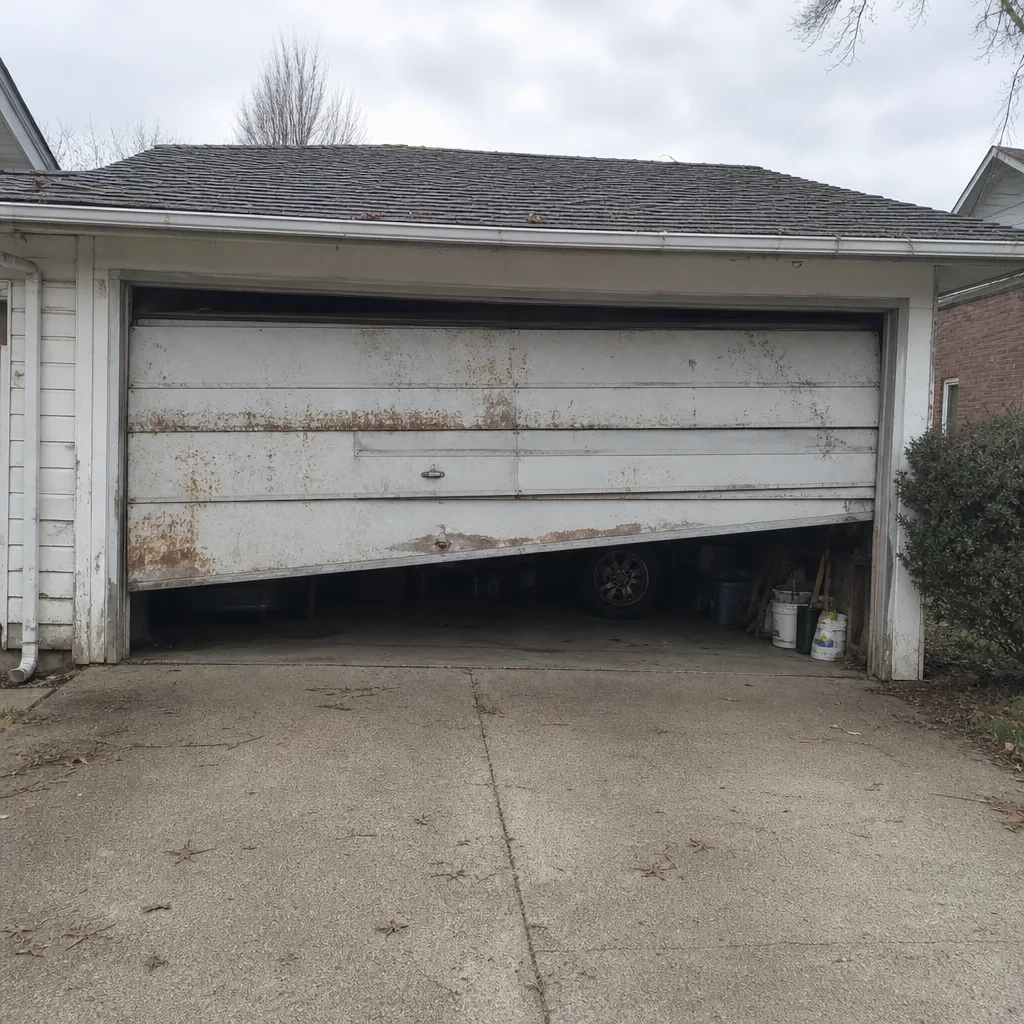 Before
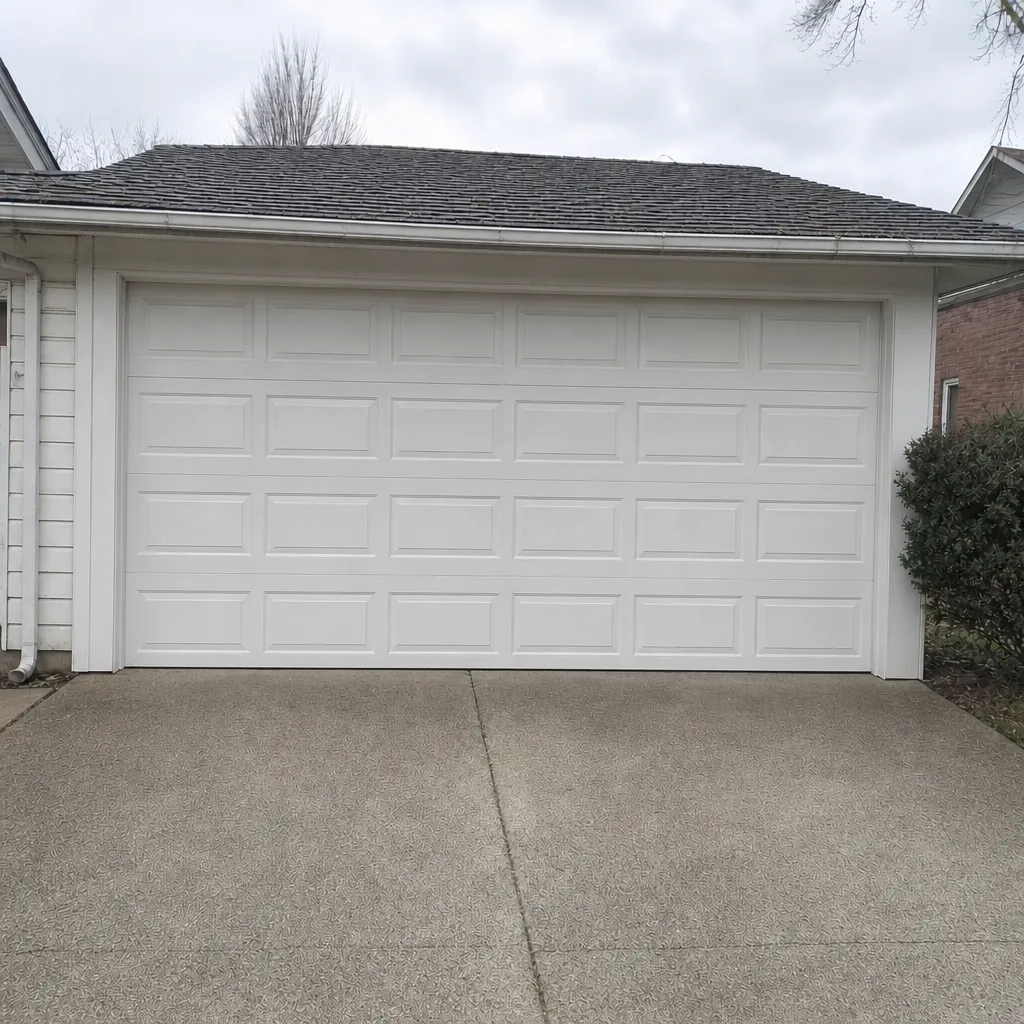 After
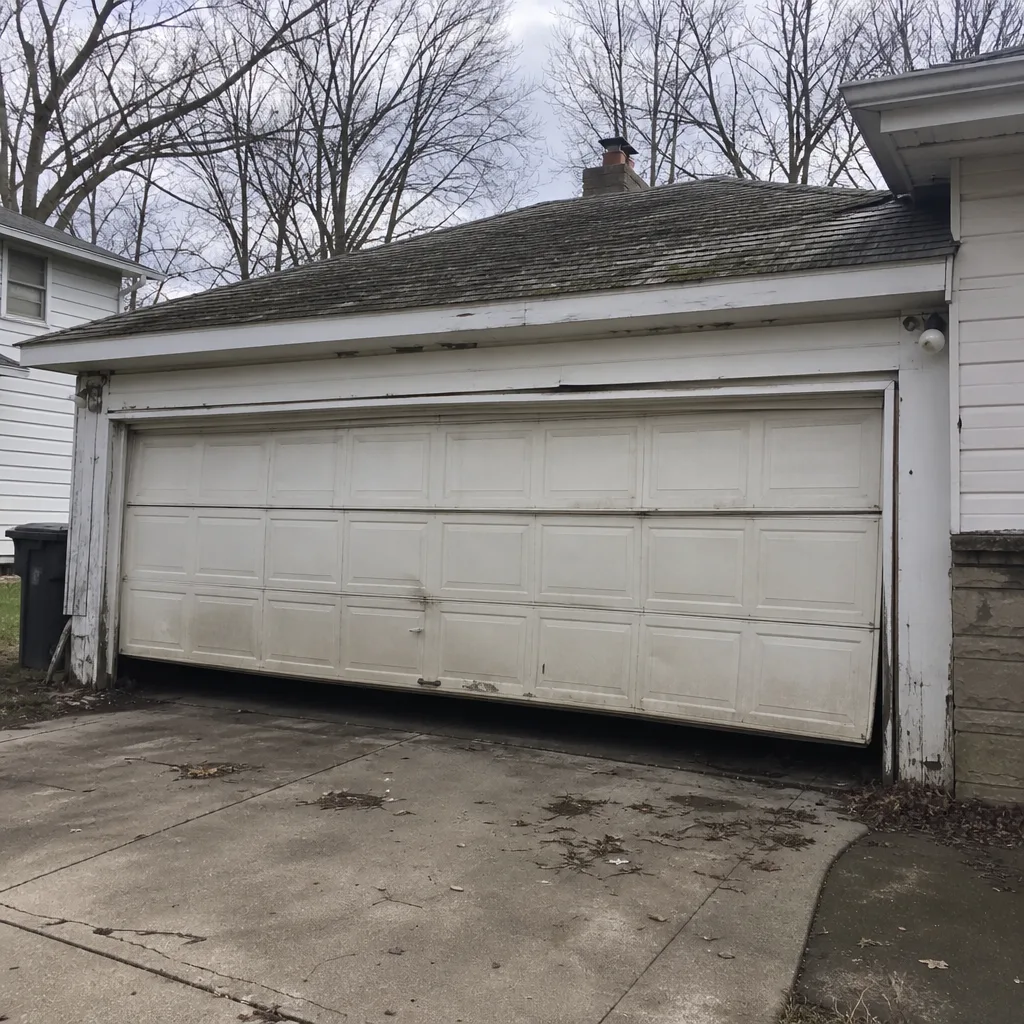 Before
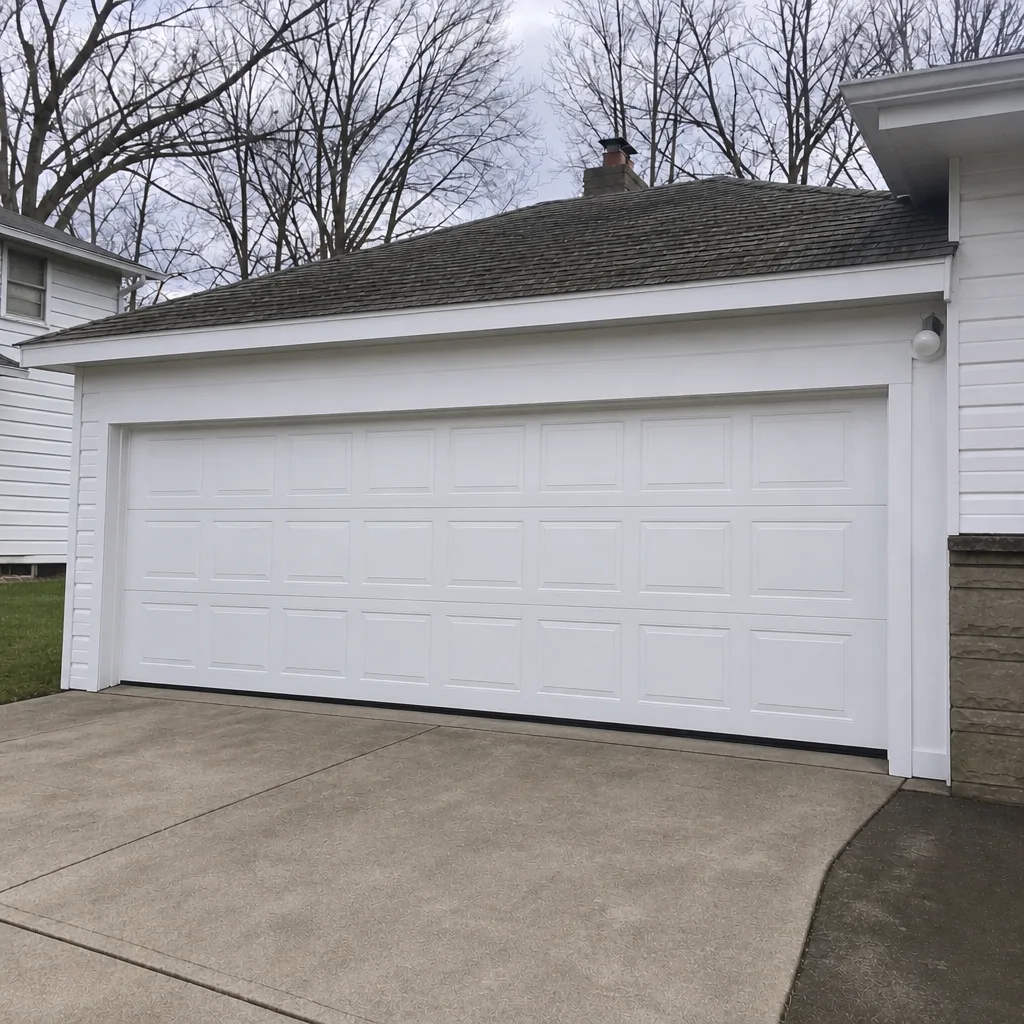 After
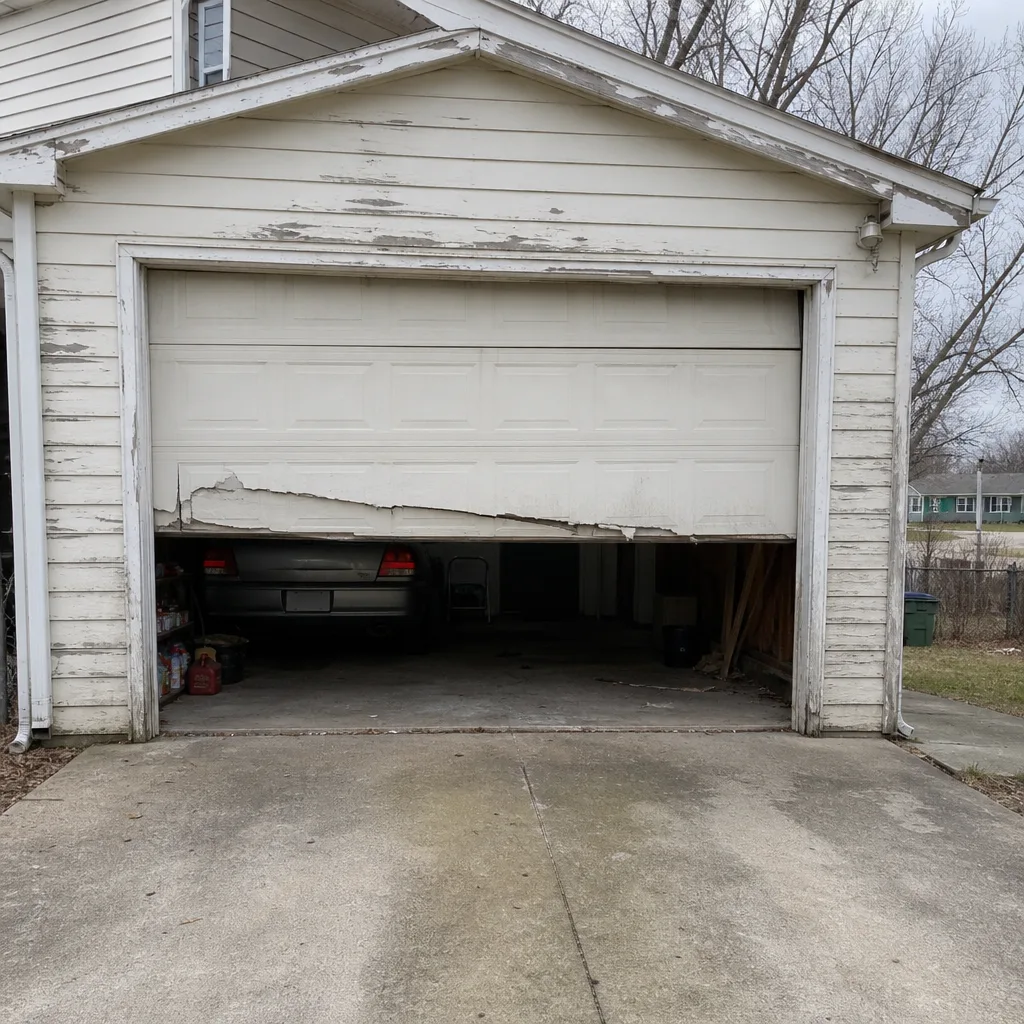 Before
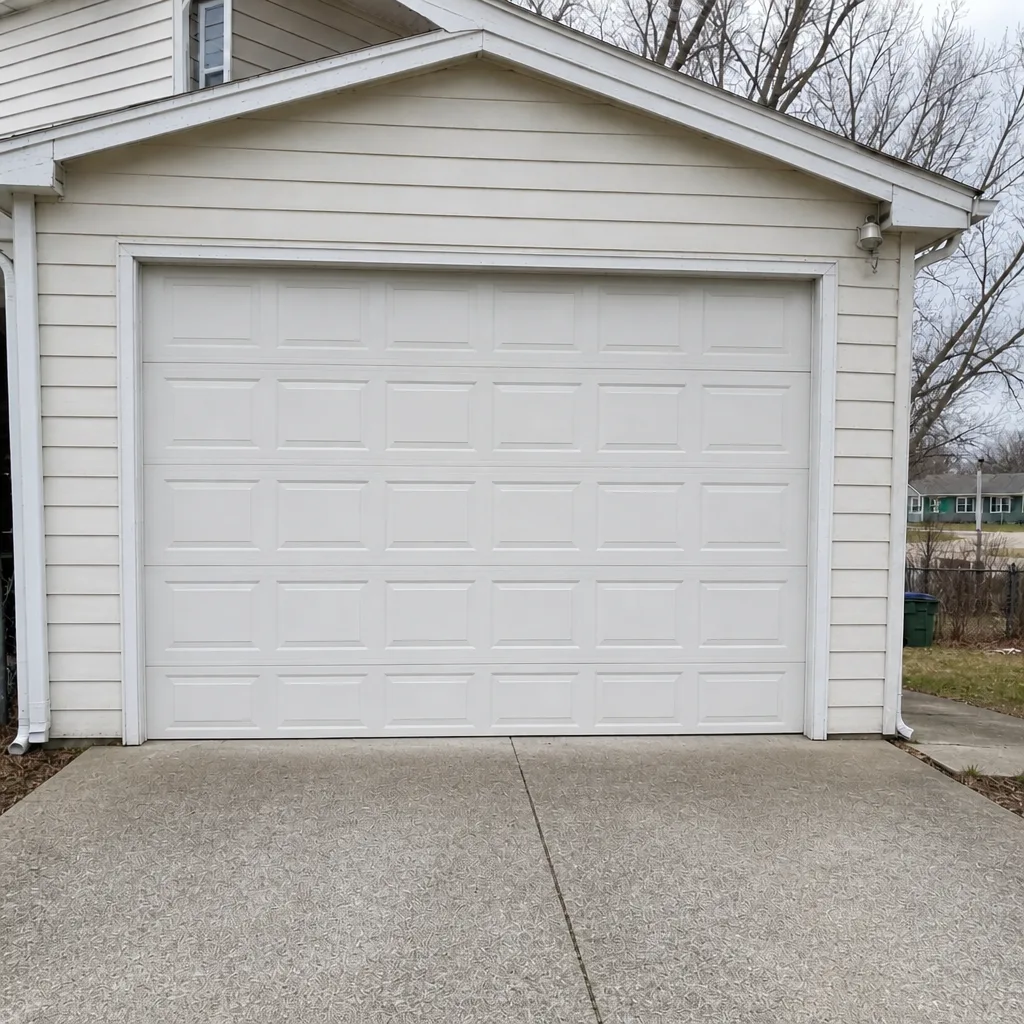 After
When to Call a Professional
Some situations are clear-cut. Call a professional if the door won’t open or close reliably, if you see a broken spring, if a cable is frayed or slack, or if the door hangs unevenly. Call if the opener hums but the door doesn’t move, if the door reverses on its own, or if you hear a loud bang from the garage. Call if a panel is damaged badly enough to threaten the door’s balance, or if the door came off its track. And call immediately if anyone mentions replacing a spring, cable, drum, or bottom bracket, because those parts are always a professional job. For any of these in Hamilton, Hamilton Garage Door Repair Co offers free estimates, and our technicians can take the whole job off your hands. Call (833) 482-6774. We answer 24/7. Fast dispatch from 7am to 7pm, Sunday through Friday.
If you’re planning a new door rather than a repair, the same applies. Our garage door installation team measures, orders, and fits the door, so the dangerous alignment work with springs and cables is handled correctly from the first day. And when a job can’t wait, emergency service is available because a door that won’t close leaves a home open.
Frequently Asked Questions
No, you should not replace your own garage door spring. A torsion or extension spring stores enough force to cause grave injury when it releases, and that risk doesn’t drop based on your skill or experience. Spring replacement is the most dangerous job in the garage door trade and belongs with a trained technician. Call (833) 482-6774 to book a spring repair.
Safe DIY tasks include replacing weatherstripping and bottom seals, aligning photo-eye sensors, reprogramming remotes, lubricating moving parts, and tightening loose hardware. Replacing a single dented panel is also usually safe if you leave the lift system alone. Anything involving springs, cables, drums, or bottom brackets is not safe to do yourself.
Sometimes, but often not once you account for mistakes. A DIY opener install saves the labor cost, but mounting and rail alignment vary widely between garages, and a misaligned unit can strain the door or fail weeks later. If you’re swapping in the same model in the same spot, DIY is reasonable. For anything non-standard, get a free estimate first so the comparison is fair.
It depends, and many policies can question or exclude damage caused by faulty workmanship. If unqualified DIY spring or cable work leads to injury or property damage, the claim can be complicated. Having a licensed, insured professional do the dangerous work keeps accountability with the business and gives you documentation. For spring and cable work, call (833) 482-6774.
Yes, most garage door repairs in Hamilton can be handled same day. When the door won’t open, a spring has broken, or the opener has failed, we dispatch a technician to get you back up and running quickly. Call (833) 482-6774. We answer 24/7. Fast dispatch from 7am to 7pm, Sunday through Friday.
No, the written estimate sets the final price. We quote the job before any work starts, and that agreed price is what stands. If the situation turns out to be different from what you described, the technician explains the change and gets your agreement before proceeding, so there are no surprise invoices. Call (833) 482-6774 for a free estimate.
We work on the brand already on your door, including LiftMaster, Chamberlain, Genie, Clopay, Amarr, Wayne Dalton, Craftsman, and Raynor. That means no brand-switching and no handoff to someone else. Whatever you have, a technician familiar with that system can help. Call (833) 482-6774 to book.
Should I attempt a full door replacement myself?
No. A full replacement involves springs, cables, and balancing work that carry the same danger as any spring job, plus the weight of the door itself. Measuring, ordering the right door, and fitting it safely is best handled by a professional. Our garage door installation handles the whole job, from measure to final safety check.
The Bottom Line
The DIY-versus-professional decision for garage doors isn’t about how capable you are. It’s about which parts store force that no amount of skill can make safe. Weatherstripping, sensor alignment, remote reprogramming, and simple panel work belong in a Hamilton homeowner’s hands, and doing them yourself is a fair way to save money. Springs, cables, drums, and bottom brackets never do, because a failure there causes injury regardless of experience. Opener installs sit in the middle, so check whether the conditions are standard before deciding. When the work involves stored energy, get a professional and keep the liability off your own policy. For everything else, weigh the parts cost honestly and enjoy the win. Either way, Hamilton Garage Door Repair Co is here when a job needs a specialist. Call (833) 482-6774 for a free estimate. We answer 24/7. Fast dispatch from 7am to 7pm, Sunday through Friday.
For more on how we approach the full range of garage door work, learn about Hamilton Garage Door Repair Co and the services we offer.
Written by the team at Hamilton Garage Door Repair Co.