
Last updated November 23, 2026
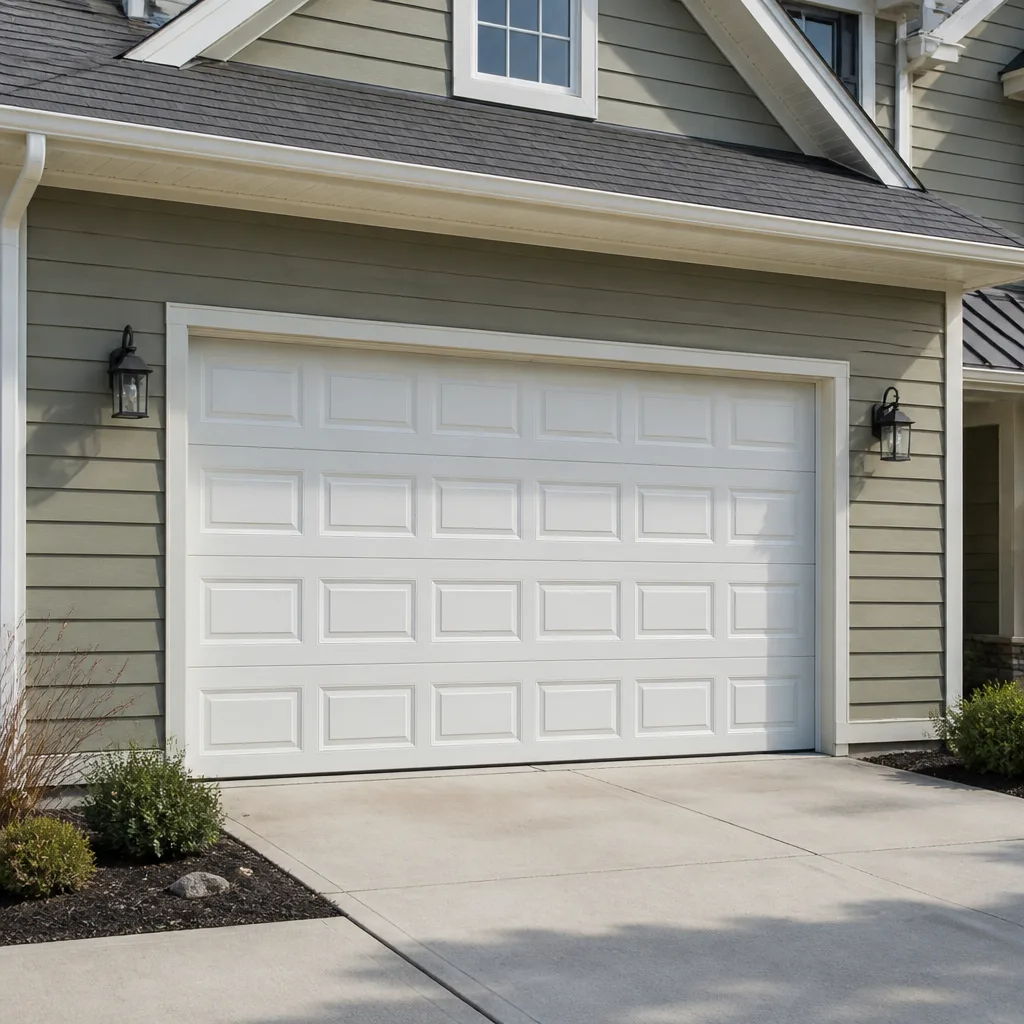 Raised-panel steel
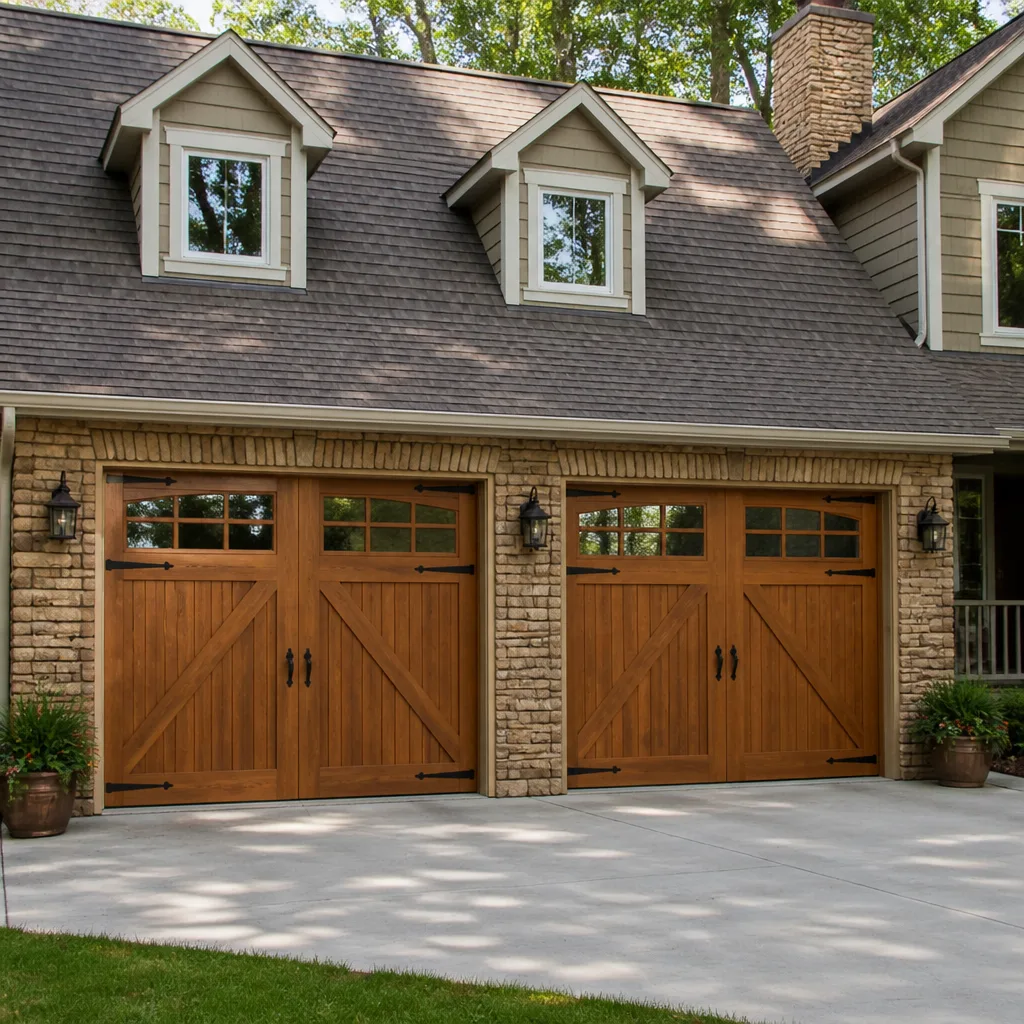 Carriage house
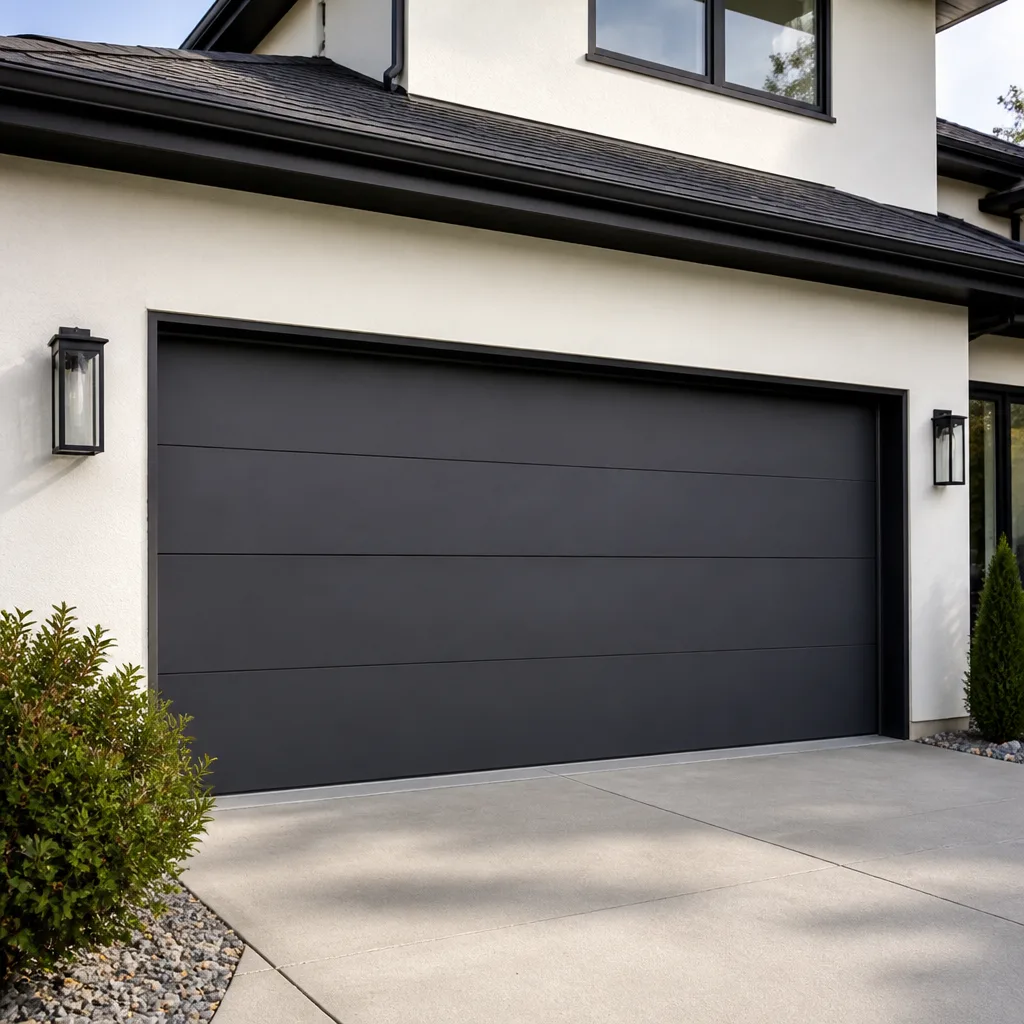 Modern flush
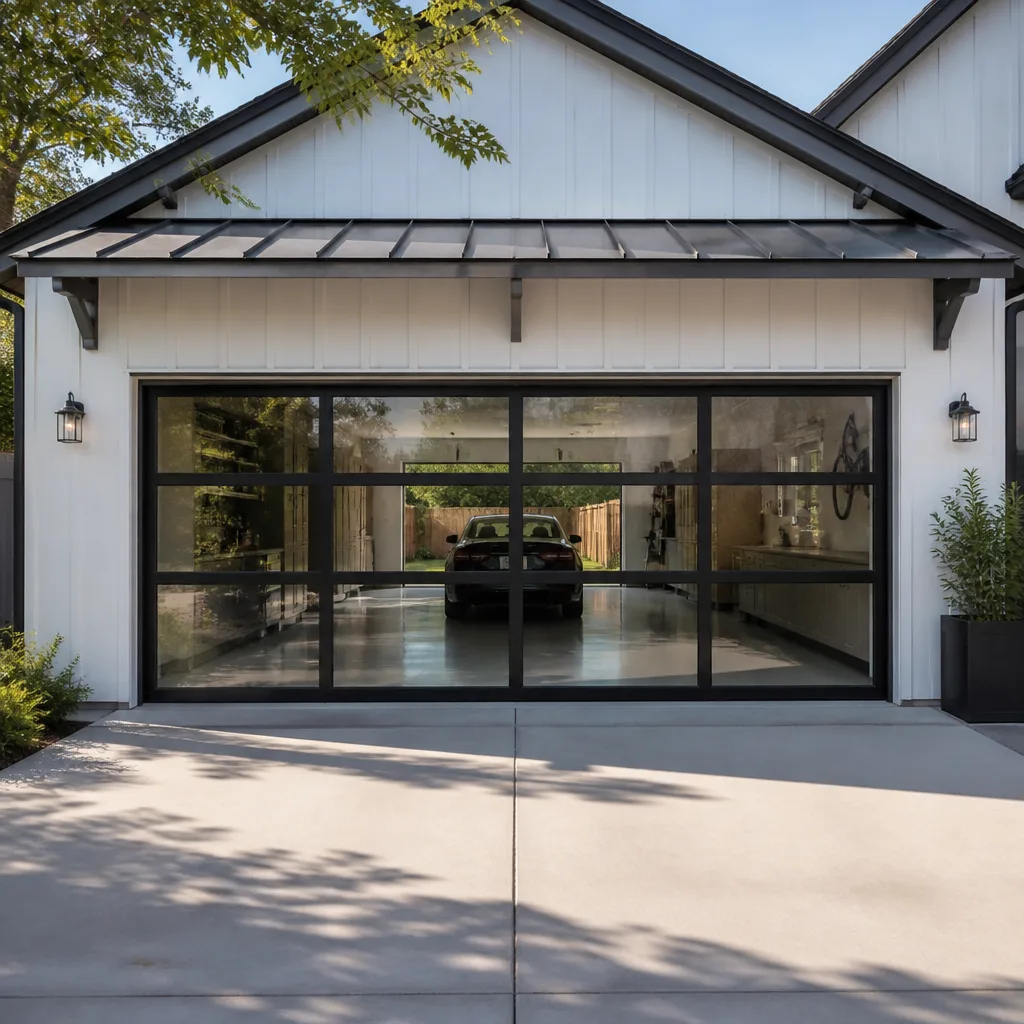 Full-view glass
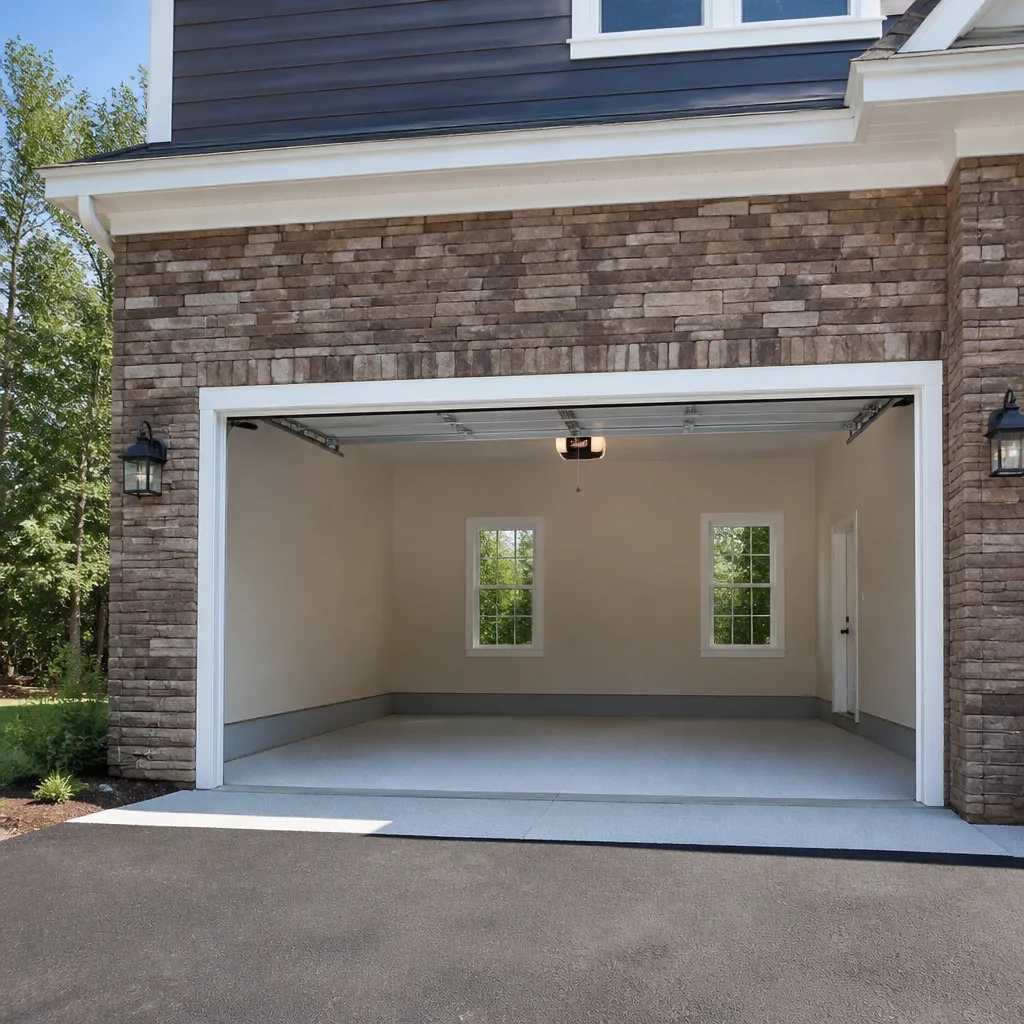 LiftMaster openers
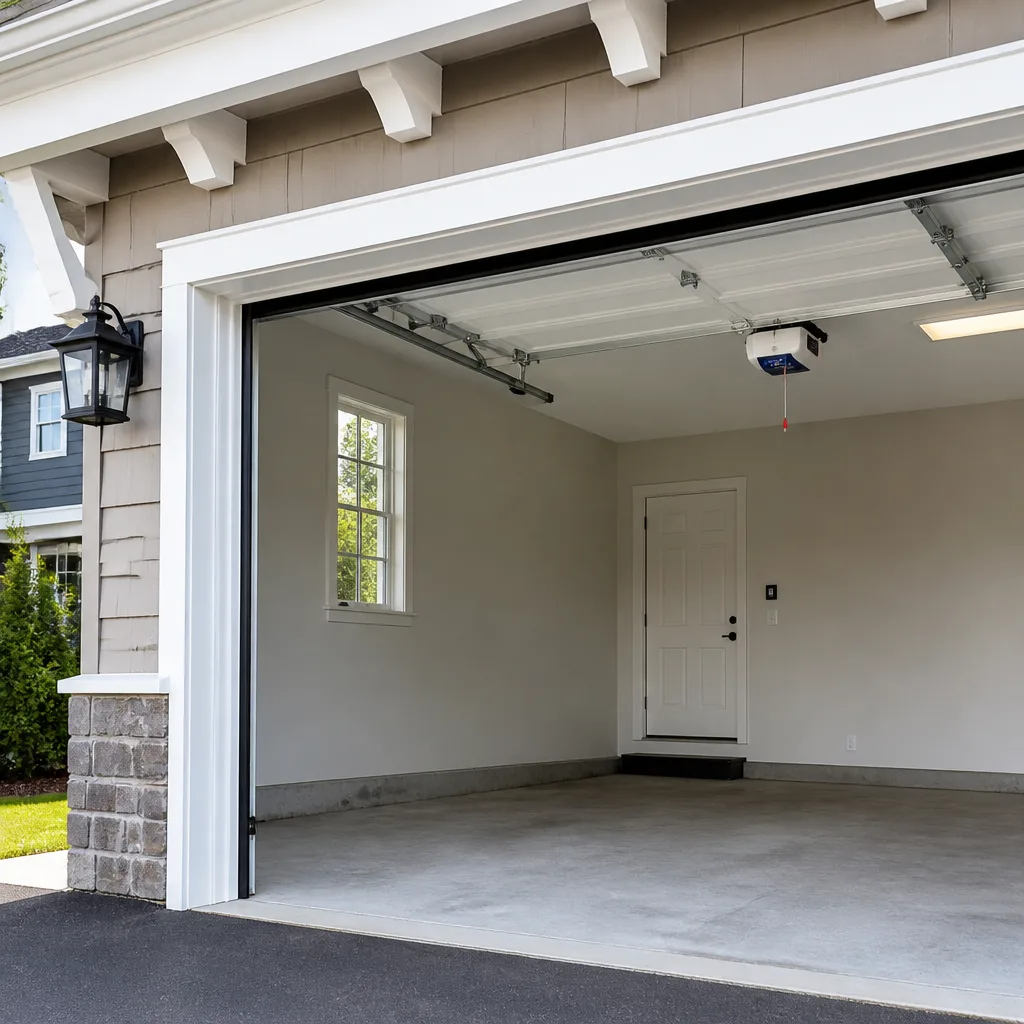 Chamberlain openers
Full 25-point door and opener safety check with every visit - springs, cables, rollers, tracks, and your LiftMaster or Chamberlain opener included
You get a price before we start. It does not change when the pro arrives.
Get your free estimateThe Complete Guide to Garage Doors in Hamilton
Most Hamilton homes were built between 1950 and 1985, which means the average garage door opening here is fractionally narrower than modern standard sizing – a detail that eliminates roughly 30% of off-the-shelf door options before you even pick a style. That single fact surprises nearly every homeowner who starts shopping for a replacement and finds that the door they saw online won’t fit the opening they’ve had for decades. It also explains why so many Hamilton garage door projects come down to careful measuring rather than picking from a catalog. This guide walks through what actually matters in Hamilton: how the freeze-thaw cycle wears on seals and steel, why older homes need a header check first, which brands keep parts moving fastest around Butler County, when a permit is truly required, and how to tell a torsion system from an extension system before you call anyone. You’ll finish knowing how to read your own door.
Quick Answer
A garage door in Hamilton is a system of four parts that wear at different rates – the springs, the opener, the panels and the track – and each one has its own repair or replacement path and its own typical cost. Hamilton’s freeze-thaw winters punish bottom seals and lower steel panels harder than national lifespan figures suggest, and pre-1985 homes often need a header clearance check before any new door or opener goes in. Most repairs are straightforward for a trained specialist; springs are the exception and should never be a do-it-yourself job.
Key Takeaways
- Older Hamilton openings are often fractionally narrower than today’s standard sizing, so measure before you shop.
- Freeze-thaw cycling degrades bottom seals and steel panels faster here than generic lifespan guides assume.
- Springs are the most dangerous part of the system – torsion or extension, they’re a specialist’s job.
- Some swaps need a Butler County permit and some don’t; asking the building department costs nothing.
- We service LiftMaster, Chamberlain, Genie, Clopay, Amarr, Wayne Dalton, Craftsman and Raynor equipment, so your existing brand stays.
Styles & brands we work with
- Raised-panel steel
- Carriage house
- Modern flush
- Full-view glass
- LiftMaster openers
- Chamberlain openers
Table of Contents
- What Are the Parts of a Garage Door System?
- How Does Hamilton’s Freeze-Thaw Cycle Affect Your Door?
- Why Do Older Hamilton Homes Need a Header Clearance Check?
- Torsion vs. Extension Springs: How Do You Tell Which You Have?
- Which Garage Door Brands Have the Fastest Parts Availability in Butler County?
- When Is a Permit Actually Required in Butler County?
- How Much Does Garage Door Work Cost in Hamilton?
- Repair or Replace: How Do You Decide?
What Are the Parts of a Garage Door System?
A garage door system is four subsystems working together: the door itself (panels, hinges, rollers), the counterbalance (springs and cables), the track and hardware, and the opener with its safety sensors. Each part has a different service life and a different repair path. Understanding which one is failing is the first step toward getting it fixed without paying for the wrong thing.
Here’s how the four subsystems break down and what typically goes wrong with each:
- The door: Steel panels dent and rust, especially the bottom section; wood doors swell and warp; hinges and rollers wear flat spots. Panel damage from a vehicle or a misaligned opener is common in Hamilton’s tighter older driveways.
- The counterbalance: Either torsion springs (mounted on a shaft above the door) or extension springs (running along the horizontal tracks). These carry the door’s weight and are the highest-wear, highest-risk component.
- The track and hardware: Bent vertical or horizontal track throws the door off balance. Cables fray. Rollers get noisy and stiff.
- The opener and sensors: Motor, drive (belt, chain or screw), logic board, and the two safety sensors at the floor. Opener faults often mimic door faults, which is why diagnosis matters.
In our experience, homeowners in Hamilton most often misdiagnose a spring problem as an opener problem. A door that opens two feet and stops usually has a broken spring, not a dead motor. If you’re not sure, it pays to describe the symptom over the phone rather than guess. When the opener itself is failing, that’s a separate call for garage door opener repair, and a technician can usually confirm the real cause in a few minutes on site.
How Does Hamilton’s Freeze-Thaw Cycle Affect Your Door?
Hamilton’s winters – repeated freeze-thaw cycling from late fall into early spring – degrade bottom seals and lower steel panels faster than the national average lifespan figures suggest. Water gets into the smallest gap at the bottom of the door, freezes overnight, expands, and pries that gap wider. The cycle repeats. Over a few seasons the bottom seal splits, the lower panel starts to rust from the inside edge, and the door begins to bind on one side.
Generic lifespan charts assume a mild, stable climate. Hamilton doesn’t offer that. The specific damage pattern here tends to look like this:
- Bottom seal failure first. The rubber or vinyl astragal at the base cracks and pulls away. Once it’s gone, cold air and moisture reach the steel and the threshold.
- Lower panel corrosion second. Rust begins at the seams and bottom edge where water pools after a freeze. Unpainted or chipped lower panels rust fastest.
- Roller and hinge stiffness third. Cold thickens grease, rollers flat-spot, and the door gets louder and harder to move as winter drags on.
- Spring fatigue over time. A spring that cycles twice a day, every day, in cold weather, reaches its rated cycle count sooner than the calendar would suggest.
The practical upshot: inspect your bottom seal each fall before the first hard freeze. Replacing a seal early is a small job compared to replacing a rusted bottom panel or repairing a door that has started to bind. If your door already shows rust along the bottom edge or a draft you can feel at the threshold, that’s worth a look before winter sets in.
Why Do Older Hamilton Homes Need a Header Clearance Check?
Many Hamilton homes built before the mid-1980s have a garage header, the structural beam above the opening, that sits at a different height and depth than today’s standard fits. That matters because a new door needs a specific amount of headroom above the opening for the torsion shaft and tracks, and a new opener needs clearance at the ceiling. Skip the check and you can order a door that arrives unable to open.
Before any new door or opener goes in, a proper assessment looks at four things:
- Headroom. The distance from the top of the door to the ceiling, measured at the opening. Torsion systems need more than extension systems, and low-headroom setups may need a special configuration.
- Opening dimensions. Width and height measured in more than one spot, because older frames aren’t always square. Fractional differences matter.
- Header condition. Rot, sag or a header that was modified by a previous owner can change what will fit and what needs repair first.
- Ceiling and side clearance. Room for the opener rail and for the tracks to clear any shelving or stored items.
This is the step that separates a clean installation from a frustrating one. A free measure visits your Hamilton home, confirms the real numbers, and puts the findings in writing before anything is ordered. That’s the moment to plan a new door, not after the box is already on your driveway. If you’re weighing a full replacement, this is why an expert garage door installation starts with measurement, not a catalog.
Torsion vs. Extension Springs: How Do You Tell Which You Have?
You have torsion springs if you see a horizontal metal shaft running above the door with coiled springs mounted on it; you have extension springs if you see springs running parallel to the horizontal tracks along the sides, usually with a safety cable running through each. Knowing which you have before you call helps the technician arrive prepared and helps you understand the cost difference.
Here’s how to identify your system safely, from the floor, without touching anything:
- Stand back and look above the door. A shaft with coiled springs across the top means torsion.
- Look along the sides above the horizontal track. Coiled springs stretched along the track mean extension.
- Note the color painted on the end of a torsion spring – the color codes the wire size and helps identify the right replacement.
- Check whether the door is currently balanced by opening it by hand a foot or two, gently, if it moves freely. If it feels heavy or won’t stay put, stop and call.
- Have the brand and model of the door and opener ready, or snap a photo. We work on Clopay, Amarr, Wayne Dalton and Craftsman doors and openers regularly, so identifying the equipment is quick.
Springs are the most dangerous part of your garage door. A torsion spring under tension can cause serious injury if it releases unexpectedly, and extension springs without a safety cable can fly if they break. We don’t recommend adjusting, unwinding or removing a spring yourself under any circumstances – this is the one part of the system where a trained specialist is the only sensible option. A proper spring repair includes matching the spring to the door’s weight, verifying balance, and checking the cables and drums while the system is open. If a spring has already broken, stop using the door and call.
Which Garage Door Brands Have the Fastest Parts Availability in Butler County?
The brands with the fastest parts availability around Hamilton and Butler County are the ones stocked most widely by local suppliers and serviced most often by area technicians: LiftMaster and Chamberlain for openers, Clopay and Amarr for doors, with Wayne Dalton, Craftsman and Raynor close behind. Genie openers are also common, though some older models take a bit longer to source parts for.
We’re factory-familiar with all eight of the major brands – LiftMaster, Chamberlain, Genie, Clopay, Amarr, Wayne Dalton, Craftsman and Raynor – so whichever one is already on your home, we work on it. That matters for two reasons:
- No brand-switching. You don’t have to replace a perfectly good Clopay door or a working LiftMaster opener just to get service. Your door, your brand – we work on it.
- Faster turnaround. When a part needs ordering, familiarity with the brand and model shortens the phone call to the supplier and reduces the chance of a wrong part.
Brand loyalty in Hamilton tends to follow what the builder installed decades ago. Wayne Dalton and Craftsman doors are common in the older subdivisions, while newer construction often carries Clopay or Amarr. Whatever you have, the diagnosis matters more than the label. Bring the model number if you can find it on the opener or the door’s edge sticker – it saves time on the phone.
When Is a Permit Actually Required in Butler County?
A permit is typically required when you’re changing the structure or the opening – widening a garage door opening, altering a header, or adding a new opening to a wall – and usually not required for a like-for-like door swap or an opener replacement. That’s the line most homeowners misunderstand: the trigger is structural change, not simply “a new door.”
The reliable way to know is to ask. Permit rules vary by municipality and by the scope of the job, and the city’s building department is the authority. Before any project, call them with three details: the exact scope (swap or structural change), the door size, and whether the opening itself is being modified. They’ll tell you what, if anything, applies.
- Like-for-like swap, same size, same opening: usually no permit. Confirm with the building department.
- Opener replacement or repair: usually no permit. Confirm with the building department.
- Widening or altering the opening, or modifying a header: typically requires a permit. This is the case to ask about first.
- New opening cut into a wall: structural work – expect a permit and inspection.
Don’t rely on a national guide or a neighbor’s experience. Hamilton and the surrounding Butler County communities each handle permits their own way, and the answer depends on your specific job. A free measure is a good time to settle the question, because the scope is already defined in writing.
How Much Does Garage Door Work Cost in Hamilton?
Garage door work in Hamilton ranges from a modest spring repair to a full new-door installation, and the price depends on the part, the door’s weight and size, and the brand. The written estimate sets the final price, and the price is quoted and agreed before any work starts.
Typical estimated ranges by job type:
| Job | Typical Range | Notes |
|---|---|---|
| Extension spring replacement (one spring) | $150 – $250 | Most doors use two; a pair costs about twice one |
| Torsion spring replacement (one spring) | $180 – $340 | Most doors use two; a pair costs about twice one |
| Bottom seal replacement | $90 – $180 | Common Hamilton winter wear item |
| Opener repair | $120 – $280 | Depends on part: sensor, gear, board or motor |
| New opener installation | $300 – $650 | Measured and scheduled, not same-day |
| Panel replacement (one section) | $200 – $500 | Brand and panel style drive the range |
| Full new door installation | $900 – $2,500 | Measured, ordered and scheduled; written quote |
A matched pair of springs is usually replaced together, so a two-spring door costs about twice the single-spring range above. That’s worth knowing before you compare quotes. The written estimate explains what’s included, and the price you agree to is the price. Estimates are free – call (833) 482-6774 for an exact quote.
Repair or Replace: How Do You Decide?
Replace the door when the panels are structurally compromised or the door has had multiple major failures; repair it when the issue is a single worn part and the panels are sound. A door with one broken spring and clean steel is a repair. A door with rusted-through bottom panels, a bent track and a tired opener is usually a replacement.
In our experience, these are the questions that settle it:
- Is the door structurally sound? Rust through a panel, a crushed section or a cracked weld points to replacement. A dent without structural loss is often a panel swap.
- How many things are failing at once? One spring is a repair. Springs plus opener plus track plus panels starts to look like replacement.
- Is the opener nearing the end of its service life? A new door is heavier and needs an opener rated to handle it. Replacing both together avoids a mismatched setup.
- How much is the repair versus a new door? Go back to the cost table – a repair near or above the price of a new door tips toward replacement.
If the answer points to repair, that’s what we recommend. If it points to replacement, a free measure and a written quote give you a real number to compare. Our technicians have up to 8 years of experience and see both paths every week, and we tell homeowners which one the door actually needs, not which one costs more. See the full range of garage door repair options if you’re leaning toward fixing what you have.
Common Mistakes to Avoid
- Ordering a door before measuring the opening. Hamilton’s older stock openings often aren’t a standard fit – measure in more than one spot before you buy anything.
- Ignoring the bottom seal through winter. The freeze-thaw cycle here exploits every gap. A split seal that goes unreplaced means a rusted bottom panel later.
- Trying to fix a torsion spring yourself. This is the most dangerous repair in the trade. A spring under tension can cause serious injury; leave it to a trained specialist.
- Assuming a permit is or isn’t needed without asking. The trigger is structural change, not “a new door.” Call the building department with your scope.
- Replacing a working door just to switch brands. Your existing Clopay, Amarr, Wayne Dalton or Craftsman door can be serviced as it is.
- Skipping the header clearance check on older homes. Order a door that won’t clear the ceiling and you’ll pay for the mistake twice.
- Lubing the springs or cables. Moving parts like rollers and hinges get lubricated; springs and cables don’t need it, and oil on them attracts grit.
See the difference
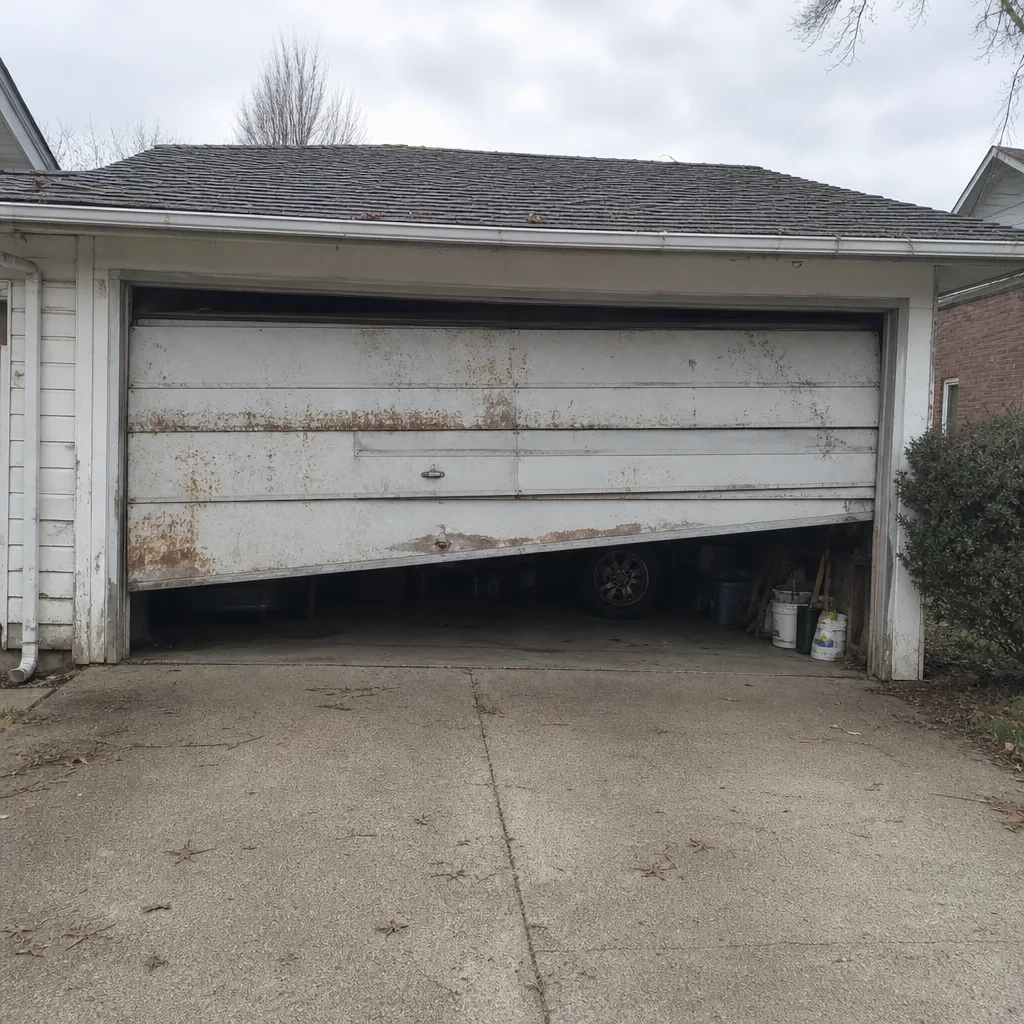 Before
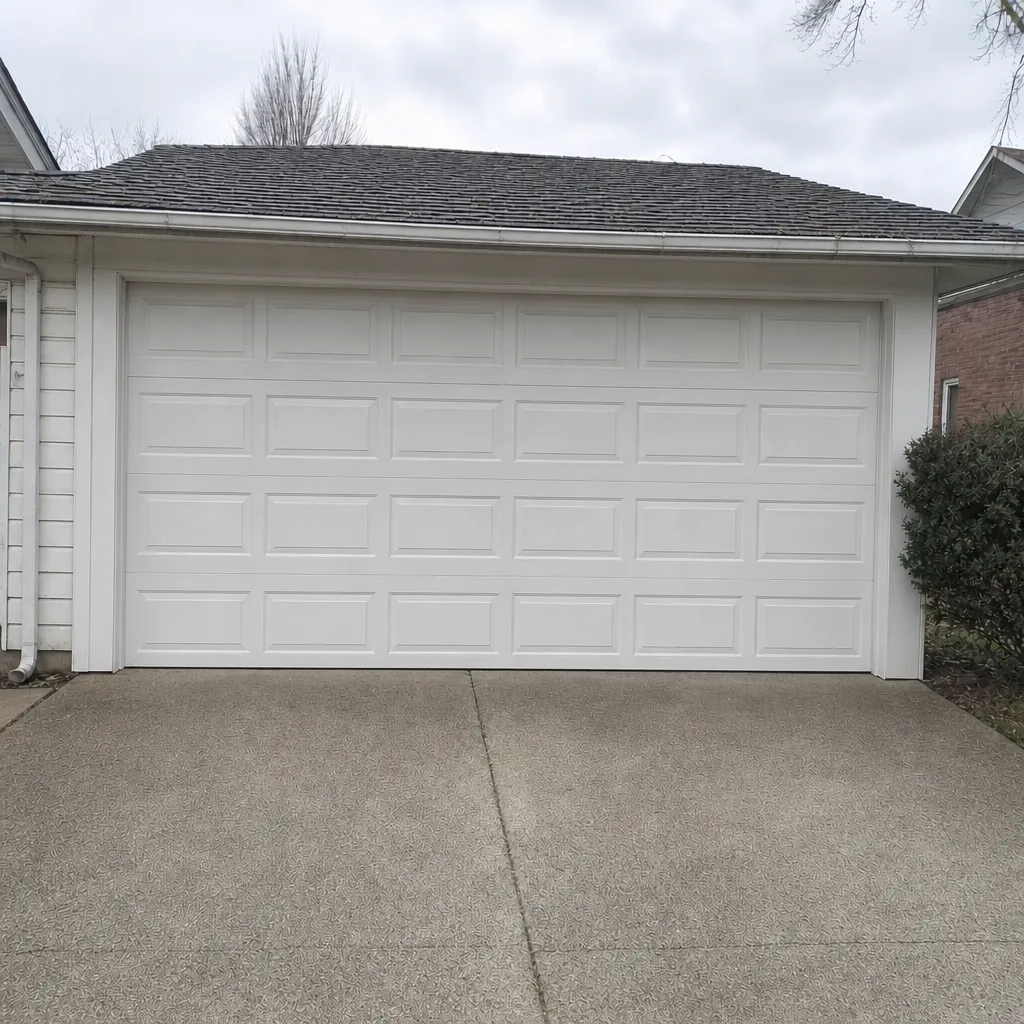 After
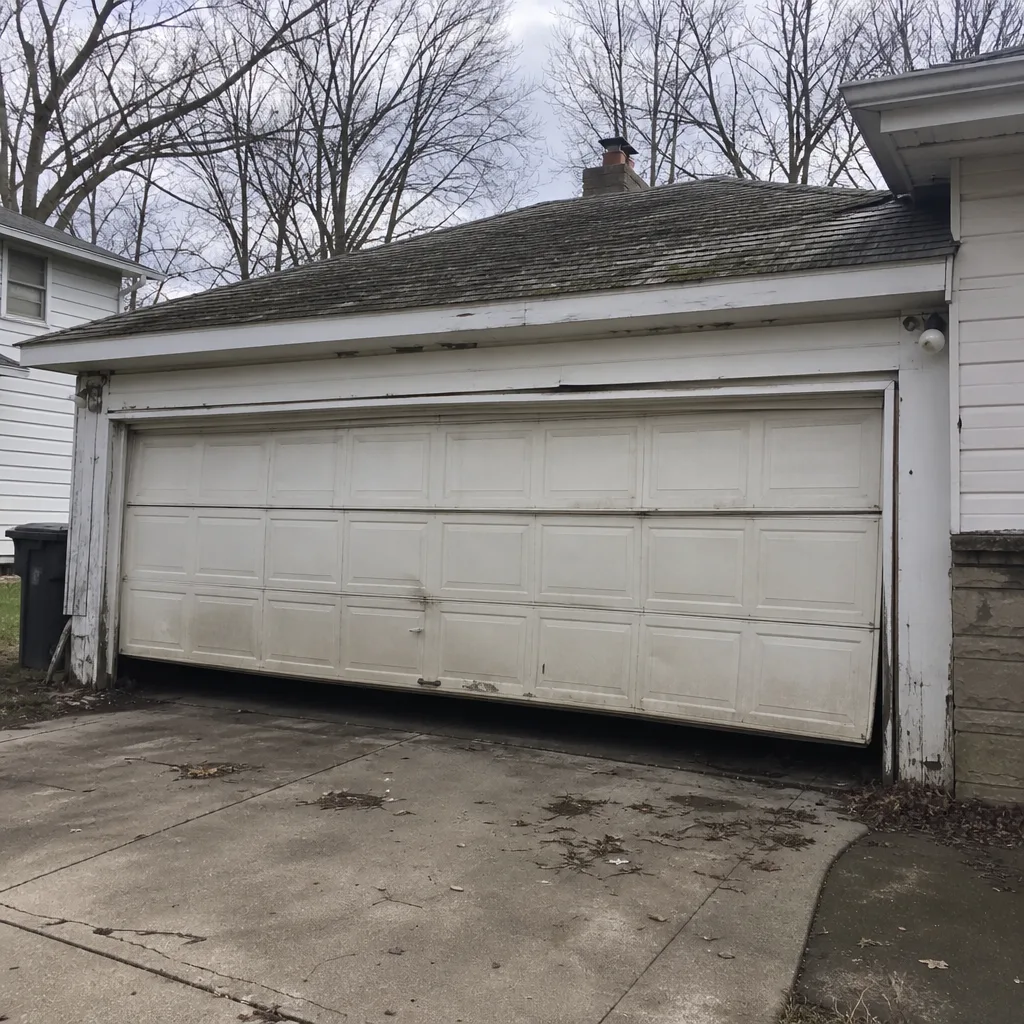 Before
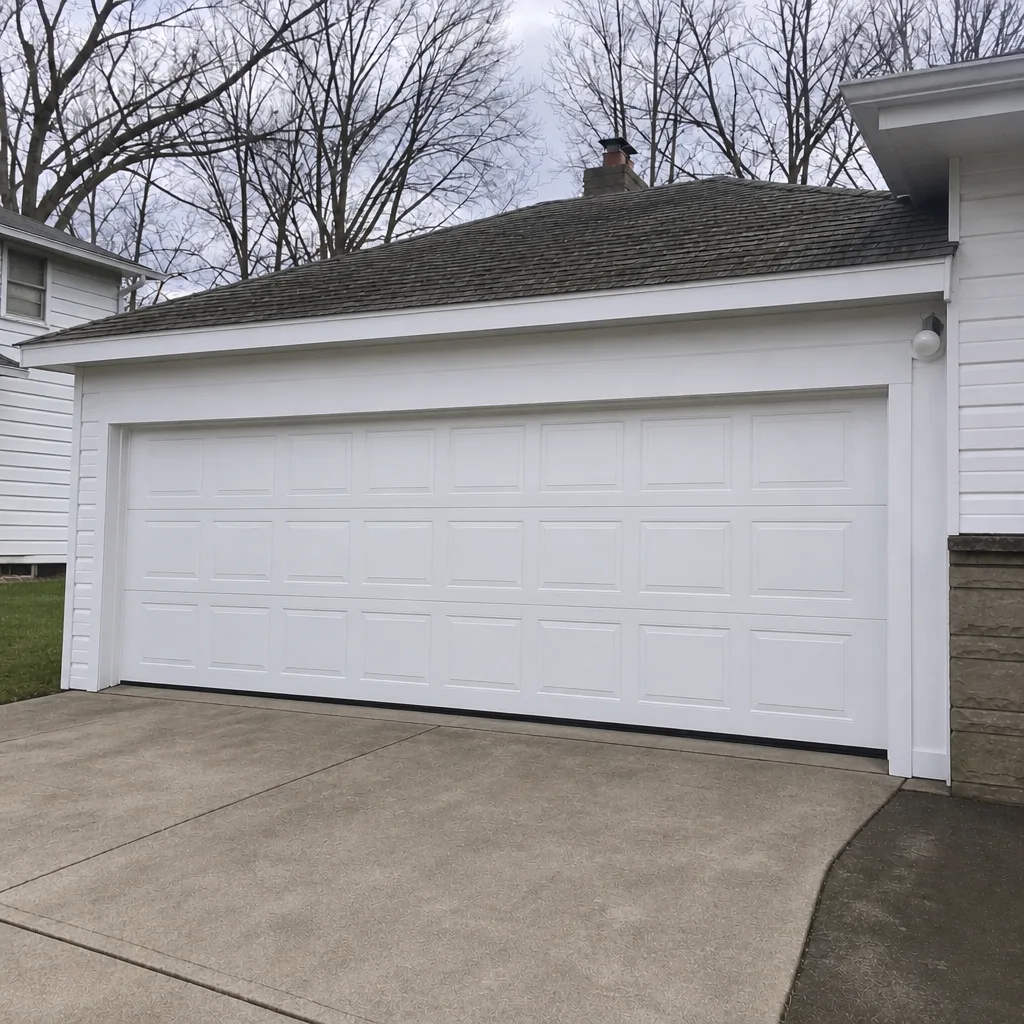 After
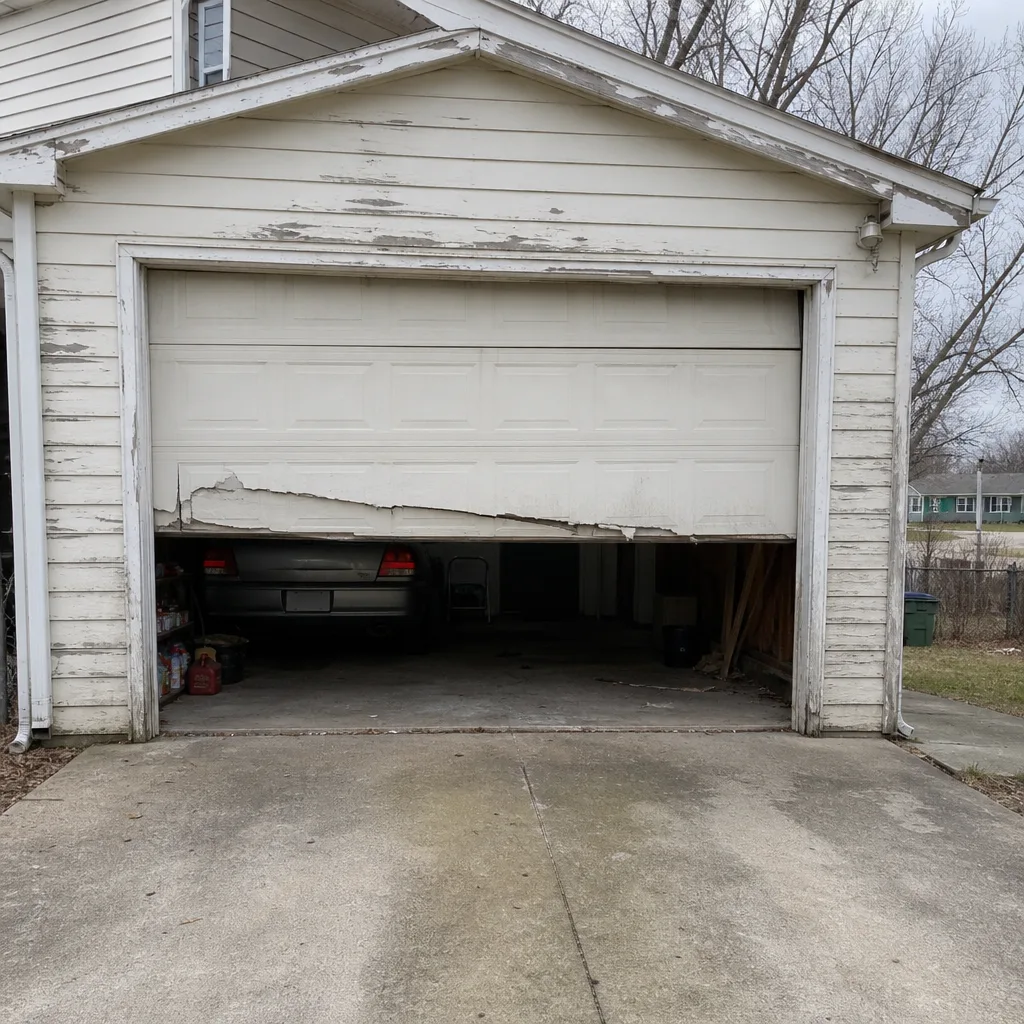 Before
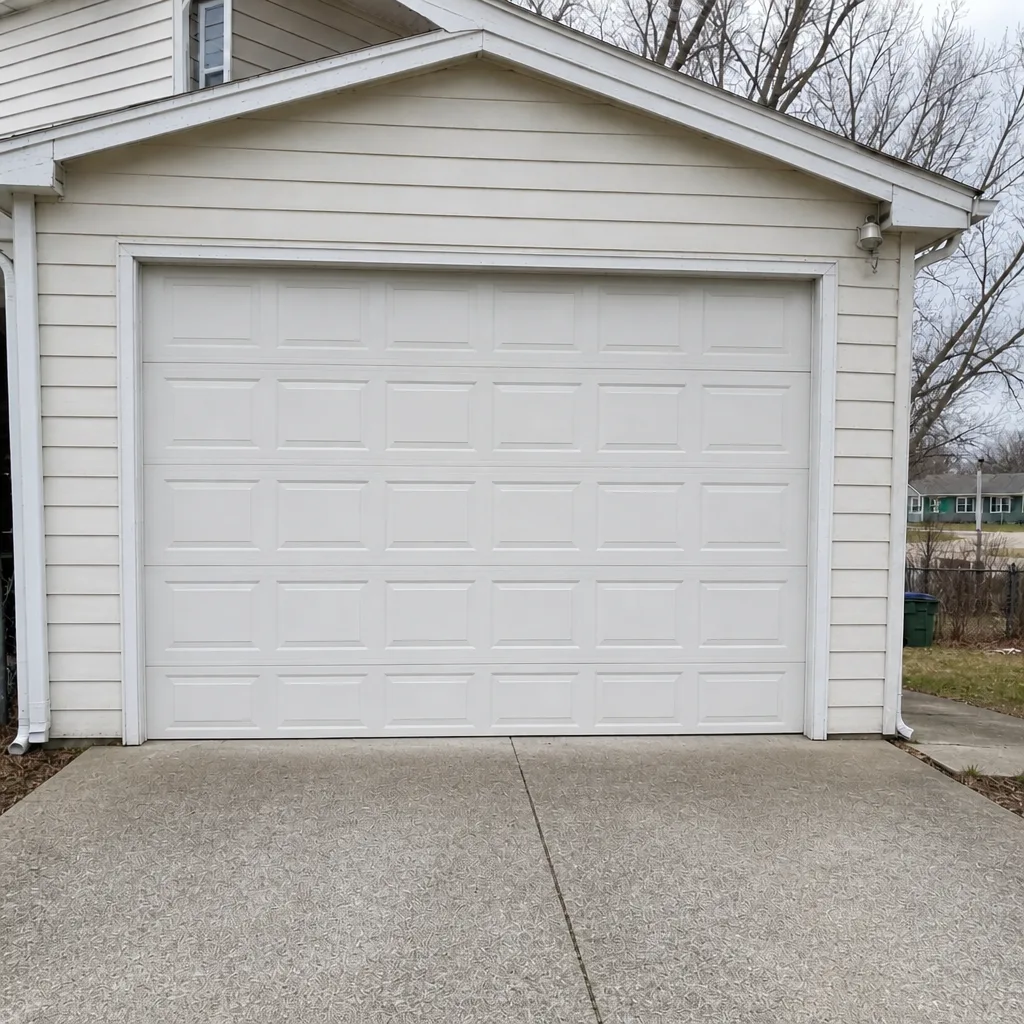 After
When to Call a Professional
Call a professional when the door won’t open or close fully, when a spring has visibly broken, when the door is crooked or binds on one side, or when the opener runs but the door doesn’t move. Call us immediately for a garage door that’s stuck open and can’t be secured, or a car trapped inside – that’s a safety and security situation, and emergency service is a core part of what we do. Also call before you buy a new door so a free measure catches the header clearance and opening size first. Hamilton Garage Door Repair Co offers free estimates in Hamilton – call (833) 482-6774. We answer 24/7. Fast dispatch, 7am-7pm, Sunday through Friday.
Frequently Asked Questions
Yes, you can replace one spring, but a matched pair is usually replaced together because both springs have taken the same wear and the second one tends to fail shortly after the first. Replacing the pair costs about twice the single-spring price but avoids a second call and a second bill. Call (833) 482-6774 for an exact quote – estimates are free.
Torsion spring replacement in Hamilton typically runs $180 – $340 for one spring, and extension springs $150 – $250 for one spring. A matched pair costs about twice that. The written estimate sets the final price. Call (833) 482-6774 for an exact quote – estimates are free.
A like-for-like door swap of the same size usually doesn’t need a permit, but altering the opening or modifying a header typically does. The safest answer is to call the city’s building department with your exact scope; the written estimate from a free measure gives you the details to ask about.
Most repair calls can be handled the same day. We answer 24/7, and a call outside dispatch hours is booked into the next opening, Sunday through Friday, 7am to 7pm. Installation work is measured, ordered and scheduled rather than same-day. Call (833) 482-6774 for an exact quote – estimates are free.
No. The price is quoted and agreed before any work starts, and the written estimate sets the final price. If a technician finds something different from what was described, the change is discussed with you before anything happens. Estimates are free – call (833) 482-6774.
Yes – the local professionals we connect you with are licensed and insured as their state requires. That covers the work and your home. Call (833) 482-6774 for an exact quote – estimates are free.
The Bottom Line
Hamilton’s climate and housing stock set the terms for every garage door decision here: fractionally narrower older openings, a freeze-thaw cycle that shortens the life of bottom seals and lower steel panels, and pre-1985 homes that need a header check before a new door or opener goes in. Springs are the one job that belongs to a trained specialist, and the others follow from a proper diagnosis. Your existing brand – Clopay, Amarr, Wayne Dalton, Craftsman or any of the eight we service – stays on your home. The written estimate sets the price, and it’s agreed before work starts. That’s the whole formula for a door that works and a bill that doesn’t surprise you. Browse the full service lineup at Hamilton Garage Door Repair Co to see where your job fits.
Contact
Ready to get your door sorted? Call Hamilton Garage Door Repair Co at (833) 482-6774 for a free estimate. We answer 24/7. Fast dispatch from 7am to 7pm, Sunday through Friday. Tell us what the door is doing, and we’ll tell you what it needs.
Written by the team at Hamilton Garage Door Repair Co.