
Last updated November 23, 2026
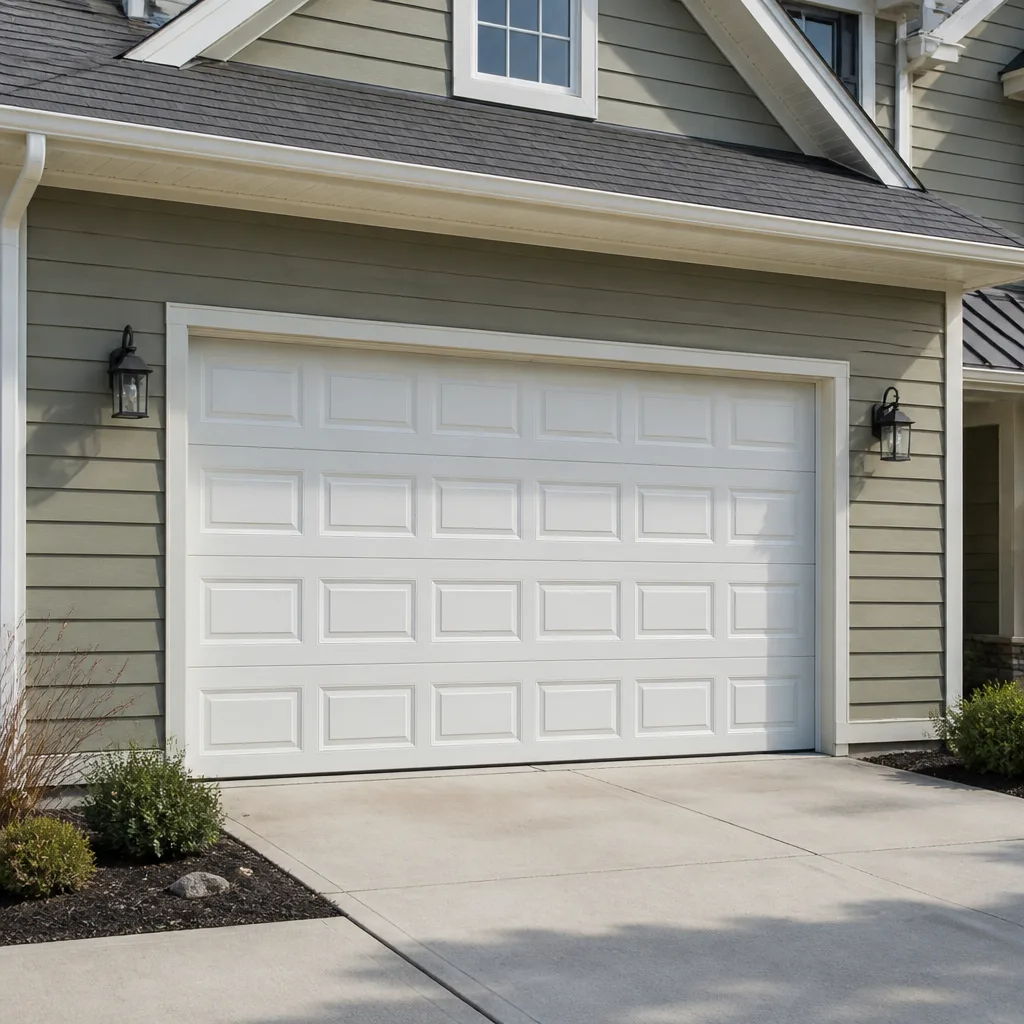 Raised-panel steel
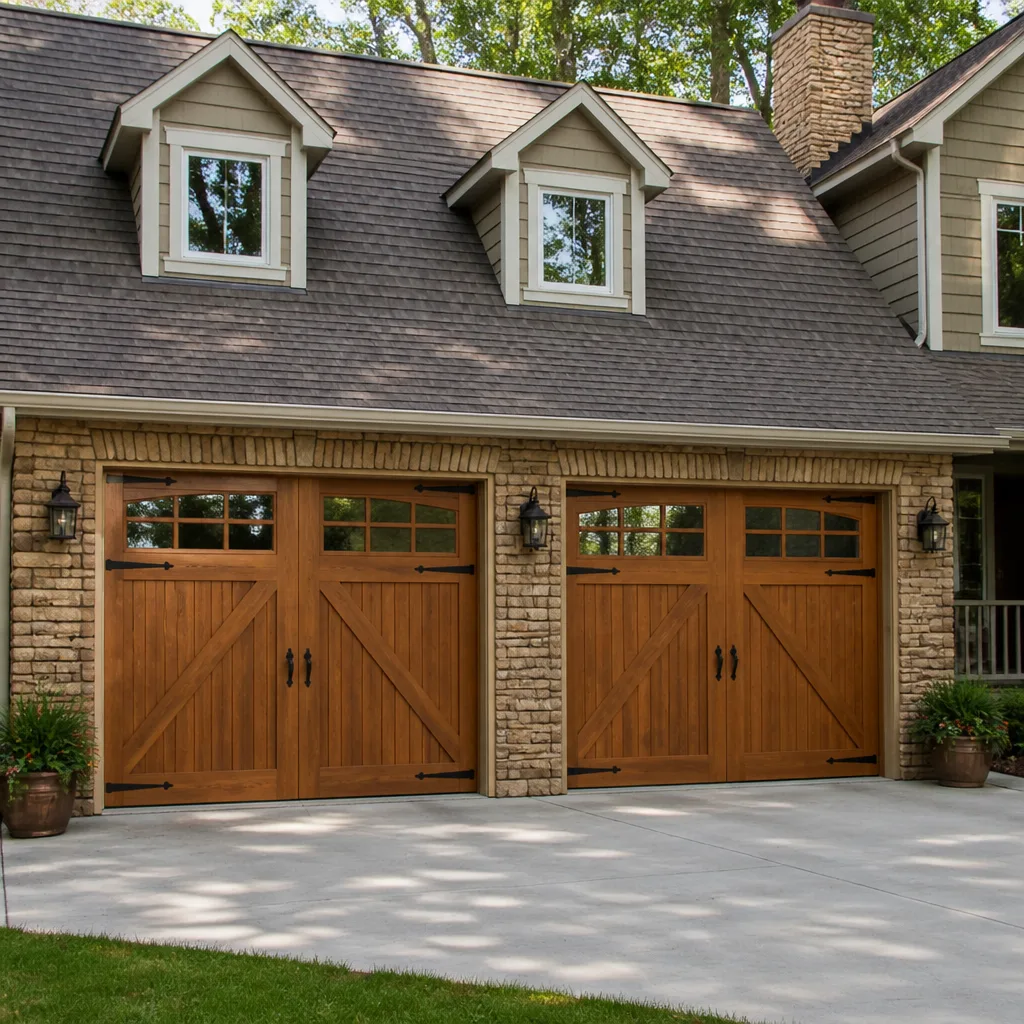 Carriage house
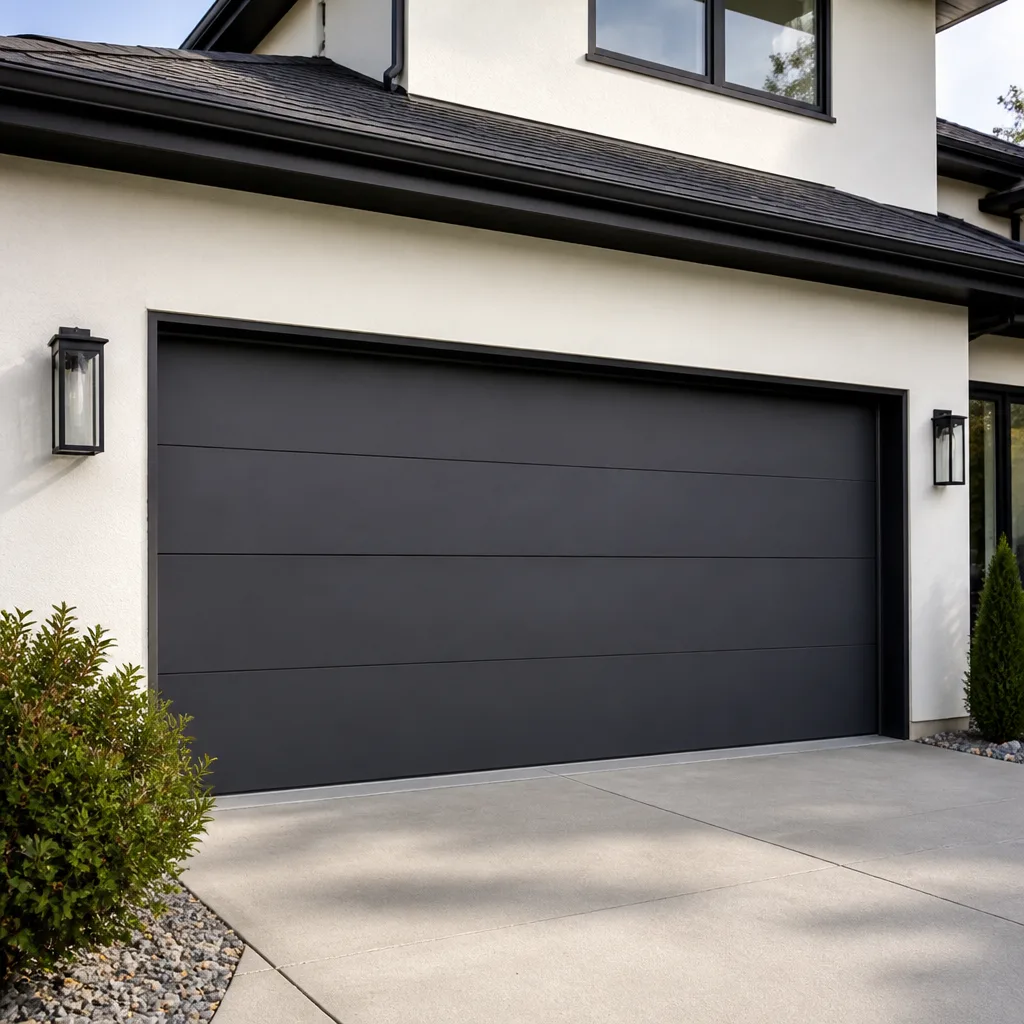 Modern flush
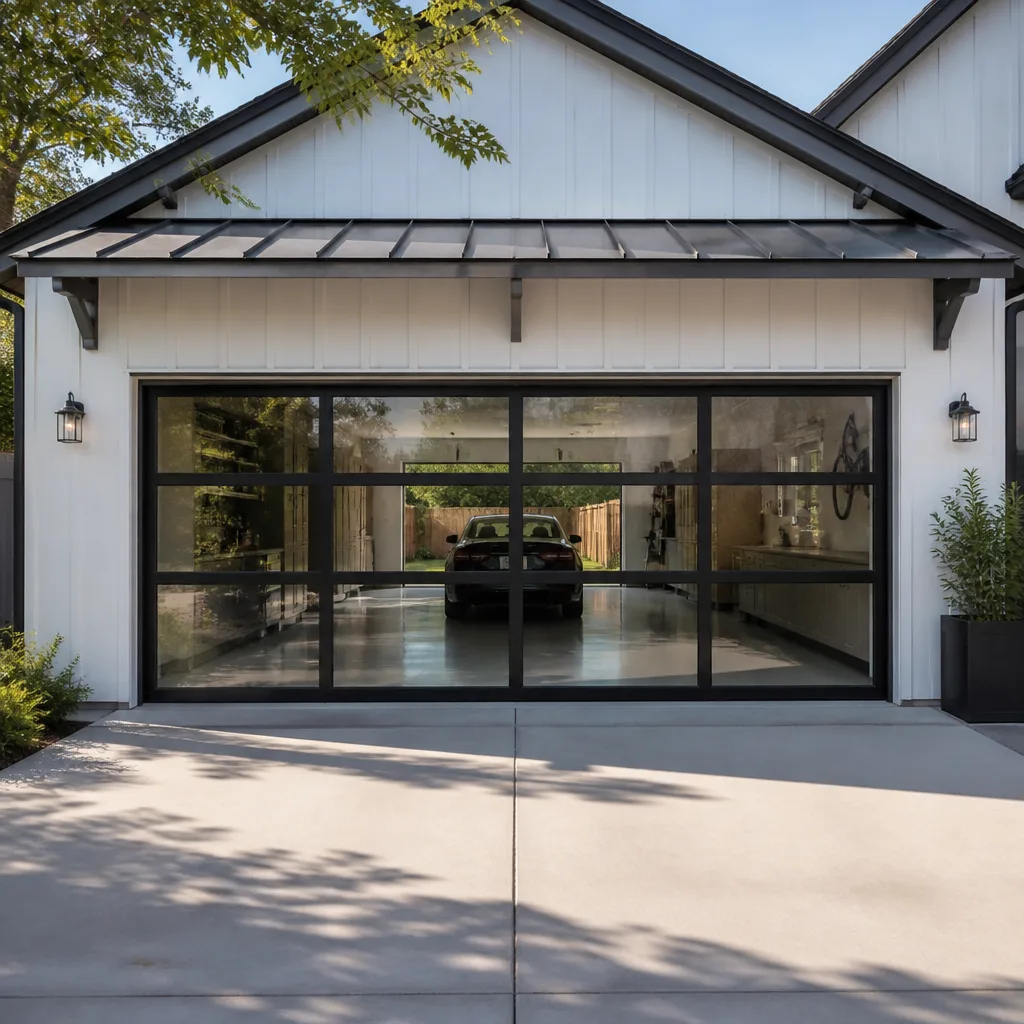 Full-view glass
 LiftMaster openers
 Chamberlain openers
Full 25-point door and opener safety check with every visit - springs, cables, rollers, tracks, and your LiftMaster or Chamberlain opener included
You get a price before we start. It does not change when the pro arrives.
Get your free estimateHow to Hire a Garage Door Contractor in Hamilton: A Step-by-Step Guide
Search for garage door help in Hamilton and you’ll get a long list of names. Plenty of them don’t do garage doors. Plumbing companies, HVAC outfits, and general handymen all advertise the work because it sounds easy from the outside. It isn’t, and the gap shows up fastest on springs and cables. There’s no badge that flags a generalist, so the job of sorting them falls to you. This guide gives you a vetting framework that filters for genuine specialists before price ever enters the conversation. What you’ll learn: the three questions that separate specialists from generalists, how to read a quote structure, what Ohio licensing does and doesn’t cover, and how to spot red flags in an urgent quote.
Quick Answer
To hire a garage door contractor in Hamilton, verify three things before you discuss price: that garage doors are the company’s primary trade, that they itemize parts and labor in a written quote, and that they can confirm brand certification for the opener or door you own. Ask for those answers by phone. A real specialist answers them plainly. A generalist dodges, gets vague about springs, and steers you toward a lump-sum number.
Styles & brands we work with
- Raised-panel steel
- Carriage house
- Modern flush
- Full-view glass
- LiftMaster openers
- Chamberlain openers
Table of Contents
- Why Hamilton Has a Specialist Problem
- The Three Questions That Separate Specialists From Generalists
- What Ohio Requires vs. What a Reputable Garage Door Company Carries
- How to Read a Garage Door Quote Structure
- Red Flags in an Urgent or After-Hours Quote
- Why Brand Certification Matters and How to Verify It
- Why Springs Are the Line That Matters Most
- Your Step-by-Step Hiring Checklist
Why Hamilton Has a Specialist Problem
Garage door work looks simple from the driveway. A panel goes up, a panel goes down, an opener hums. What that view misses is the torsion assembly above the door, stretched under tension that can kill a person who handles it wrong. That’s why generalist advertising is a real hazard in this market. Companies whose main trade is plumbing, HVAC, or general contracting can pick up the phone and take the job. They can also order a spring. What they often can’t do is the specialty work inside the trade with the right tools, the right technique, and the right judgment about when not to touch something.
Hamilton adds its own wrinkle. The city’s housing stock runs from older homes with wooden single doors to newer builds with insulated sectional doors and belt-drive openers. Each setup has different failure points. An extension spring door from decades ago doesn’t ask for the same repair as a torsion system from a newer build. A contractor who works on a handful of doors a year may not recognize the difference quickly, and quick recognition is what keeps a repair from getting bigger.
Our view is simple. A garage door is a complete system: opener, springs, panels, tracks, rollers, sensors, and hardware. Every part interacts with the others. A specialist can tell you what the whole system needs because that’s the only thing they work on. In our experience, the single-trade focus is where quality lives. Every technician working on your door should be a garage door expert, not a generalist who also fixes faucets and fence posts. When you hire in Hamilton, start there. The rest of this guide is how you confirm it.
The Three Questions That Separate Specialists From Generalists
You can do most of the vetting before anyone drives out. Ask these three questions by phone and listen to how they land. The answers matter, but so does the confidence behind them. A specialist has answered each one hundreds of times.
- “What percentage of your work is garage doors?” A specialist works on nothing else. A generalist will tell you garage doors are “part of what we do.” That’s your answer right there. Single-trade focus means the technician arriving at your home has spent their career on this equipment, not squeezed it in between plumbing calls.
- “How do you handle a torsion spring replacement?” The answer should be specific. A specialist describes it as the most dangerous repair in the trade and talks about how the system is de-tensioned before anything else happens. If the response is vague, general, or brushes off the risk, that’s a serious warning. A generalist who treats a spring like an easy afternoon job is someone who may put themselves or you in danger.
- “Which brands do you service?” The answer should name the brands. A real specialist works on whatever is on your home. If you have a Wayne Dalton door or a LiftMaster opener, the contractor should be able to tell you immediately whether they’re familiar with that equipment and what parts they can source for it. If they ask you to hold while they look it up, that tells you something too.
The answers that should concern you: long pauses, stumbles on spring work, claims to “do all kinds of repair,” and a sales pitch that arrives before any technical question. In Hamilton, the market has enough genuine specialists that you don’t have to settle for a company whose main trade is something else.
What Ohio Requires vs. What a Reputable Garage Door Company Carries
Ohio’s contractor licensing rules don’t map neatly onto garage door work. The state has specific licensing requirements for electrical, plumbing, and HVAC trades. It doesn’t issue a standalone “garage door contractor” license at the state level. Some cities and counties add local registration requirements on top. The practical effect is this: a garage door company can legally operate in Hamilton without holding any specialized credential. That’s why you can’t outsource your due diligence to a license lookup or a government database.
What a reputable garage door company carries goes beyond the legal floor:
- General liability insurance. This covers damage to your property from the job. Ask for a certificate of insurance. Any legitimate company produces one without hesitation.
- Workers’ compensation coverage. This is the one homeowners forget. If a technician is injured on your property and the company doesn’t carry workers’ comp, the injury may land in your lap. Ask directly and ask before the visit.
- Business registration. A properly registered business has a paper trail. It’s the basics, and it matters because unregistered operators can vanish when something goes wrong.
- Written estimates. Insurance and registration prove the company is real. Written estimates prove they do business in a way that protects you.
Why does any of this matter more for springs and cables than for other garage door work? Because those are the two jobs most likely to injure a technician or damage property. Torsion springs hold stored energy that releases fast when something gives. Cables run alongside them under significant tension. A company that carries proper coverage is a company that understands what it’s handling. If someone can’t tell you what insurance and workers’ comp coverage they carry, ask yourself why. In Hamilton, the reputable operators will answer in a single sentence, because they’ve been asked before.
How to Read a Garage Door Quote Structure
The quote you get in writing tells you as much as the number on it. Legitimate specialists itemize. That means separate line items for parts and labor, so you can see what you’re actually paying for. A vague lump sum is the single biggest pricing red flag on a garage door quote, because it hides the markup and makes comparison impossible.
A good quote looks like this:
- Parts line items. Springs listed individually. Torsion and extension springs listed separately when both are involved. Rollers, hinges, cables, and bearings named as parts, not bundled into an unlabeled block.
- Labor line item. The labor cost as its own number, separate from parts. The technician can explain how they arrived at it and how long the job should take.
- Opener line items (when relevant) with model and unit cost. If you own a Craftsman or LiftMaster opener and the repair involves the motor unit, the quote should name the model number and the part.
- The written bottom line. A clear total. The estimate is free, and the price is set per job by the written estimate. That’s the standard.
Two things to do with any quote you receive in Hamilton. First, ask one clarifying question about the most expensive line. A real specialist answers without heat. A salesperson gets defensive. Second, compare two itemized quotes side by side. Two specialists will price differently, but the structure should match. If one quote is a single number with a total and nothing else, that’s not a quote, it’s an offer. And once you’ve got the structure right, our garage door repair overview shows you what a typical repair journey looks like in this city.
Red Flags in an Urgent or After-Hours Quote
A garage door that won’t close leaves your home open. You’ll feel pressure to take whatever number you’re given. That pressure is exactly what a bad operator counts on. An urgent quote should follow the same rules as a daylight quote: itemized, written, and explained. If any of those go out the window because it’s late or the door is stuck open, slow down.
Red flags specific to urgent calls in Hamilton:
- The number arrives before the diagnosis. A specialist inspects the door first, then quotes. If you’re given a price before the technician looks at anything, the price isn’t based on your door.
- The quote climbs once the work starts. Every legitimate repair quote is agreed before any work begins. If you’re told the original number “didn’t cover” something discovered mid-job without that being explained and agreed upfront, stop and ask questions.
- Insistence on an immediate decision. Real urgency is about your door, not the quote. A specialist who is confident in the price will let you think about it. Pushiness is a bad sign.
- No written copy of the number. Get the quote in writing before the technician touches the door. A verbal-only number leaves you with no recourse if the invoice differs.
Our own position is short: when the door won’t move, we move. Emergency garage door service is a core offering, not an upgrade or a premium tier. Same-day service is part of the standard. A repair price is quoted and agreed before any work starts, whether that’s at midday or through a dispatch window on a Sunday. If a Hamilton contractor won’t put the number in writing on an urgent call, that’s not a contractor you want working on your door. When you’re ready to compare emergency terms, our garage door opener repair page covers what a failing opener looks like before you call anyone. And if you need a specialist today, call (833) 482-6774. We answer 24/7, with fast dispatch from 7am to 7pm, Sunday through Friday.
Why Brand Certification Matters and How to Verify It
“Brand-certified” sounds good on a website. It’s also easy to claim, which is why you verify it rather than take it at face value. The value in certification is real: a technician who has worked the manufacturer’s training on a LiftMaster opener knows the model range, the specific failure modes, and which replacement parts are required to keep the warranty intact. An uncertified technician might get the repair working, and might use a part that voids your coverage without either of you realizing it.
Certification matters most on branded equipment in two places:
- Openers. Opener motors and control boards have firmware and model-specific logic. Working on a LiftMaster or a Raynor opener without that training means guessing. On newer openers with integrated sensors and battery backup, the guessing has higher stakes.
- Doors. A door is a structural system with its own load ratings and hardware. When you’re replacing panels on a Wayne Dalton or a Craftsman door, the replacement parts need to match the original system’s requirements. A brand-familiar technician knows the differences between residential and heavy-duty product lines without consulting a manual.
How to verify in Hamilton, in three steps:
- Ask which brands the company is factory-familiar with. The answer should come quickly and specifically. If the response is “we work on everything,” press for the certified brands.
- Ask what certification means in practice for your door or opener. A real specialist can tell you which parts they can source under warranty and what the manufacturer’s protocol is for your model.
- Ask for the specific model check on the phone before booking. If you can read off your opener’s model number and the technician tells you the typical failure point for that model, you know their experience goes past a laminated badge.
For Hamilton homeowners, we work on eight of the industry’s leading brands: LiftMaster, Chamberlain, Genie, Clopay, Amarr, Wayne Dalton, Craftsman, and Raynor. Your door, your brand, we work on it. No brand-switching required if the equipment is already there and working. If you’re weighing a new door instead of a repair, our garage door installation page lays out the planning side of that decision.
Why Springs Are the Line That Matters Most
If a generalist ever tells you a garage door spring is a simple swap, you’ve found your disqualifier. Springs are the most dangerous component of a garage door system, and spring replacement is the most dangerous repair in this trade. That’s not an opinion about difficulty. It’s a physical fact about stored energy. A torsion spring holds enough energy to break bones or worse when it releases uncontrolled, and a cable under tension can injure a technician who mishandles it.
What that means for your Hamilton hiring decision:
- Ask who does the spring work. The person arriving at your door should be a specialist, not a subcontractor pulled from a sister company. Springs shouldn’t be passed off to someone else.
- Listen for the word “tension.” A real specialist talks about winding and de-tensioning as part of the process. A generalist describes the job in terms of “taking off” and “putting on.”
- Ask how they handle both types. Torsion springs and extension springs are different systems with different failure modes. A specialist works on both.
- Don’t attempt it yourself. We give homeowners the tools to check their door, not repair a spring. The good advice here is: don’t. Call a trained professional who works on springs as a specialty.
For a homeowner mid-emergency, the question is whether the specialist is genuinely available. For most Hamilton residents, the answer depends on how well they’ve vetted the company before the spring breaks. That’s the reason we push the checklist below. A company worth keeping is one you already have a relationship with, so the broken spring isn’t the first call.
Your Step-by-Step Hiring Checklist
Here’s the framework in one place. Run it on every company you consider in Hamilton. The whole thing takes about fifteen minutes by phone.
- Confirm single-trade focus. Ask what share of their work is garage doors. The right answer is all of it, and the wrong answer is a number they invent.
- Verify insurance and workers’ comp. Ask for the certificate. Reputable companies send it without hesitation.
- Ask about spring capabilities. Confirm they handle torsion and extension springs as a specialty. Confirm the technician arriving is theirs, not a subcontractor.
- Ask which brands they’re factory-familiar with. Have your opener model ready (often on a label on the motor housing). Confirm they work on the brand you own.
- Request a written, itemized quote. Parts and labor separate. A clear bottom line. The price is agreed before any work starts.
- Check the emergency protocol. Ask how urgent calls are handled and whether the quote structure changes. It shouldn’t. Call (833) 482-6774 to compare our terms against anyone else’s. We answer 24/7, with fast dispatch from 7am to 7pm, Sunday through Friday.
- Compare two quotes on structure, not just total. Two itemized quotes side by side tell you more than the numbers alone.
Our company connects Hamilton homeowners with independent local professionals who do the actual work, and the framework above is how we’d want a homeowner to vet any company in this trade. Our technicians have up to 8 years of experience, and every technician is a garage door specialist. Not a generalist. Not a subcontractor. A specialist who works this equipment every day. When you’re ready to see the full range of services, our Hamilton Garage Door Repair Co home page has the whole picture.
Common Mistakes to Avoid
- Hiring on price alone. The lowest quote in Hamilton often comes from a company without specialized spring experience. A low price on paper can mean a faster return visit when something’s missed.
- Skipping the insurance question. If a technician is hurt on your property and the company doesn’t carry workers’ comp, the liability question can land on you. Ask before anyone arrives.
- Accepting a lump-sum quote. A single number without line items hides what you’re paying for and prevents any comparison between companies. Ask for the itemized version.
- Treating an urgent call as a reason to skip vetting. When your door won’t close at night, the temptation to take the first number you get is strong. The vetting goes faster, not away.
- Assuming a license lookup proves something. Ohio doesn’t issue a standalone garage door contractor license. The absence of a license to look up isn’t suspicious, but it does mean the vetting is on you.
- Letting a generalist sell you a brand switch. If your home has a working LiftMaster opener or a sound Wayne Dalton door, the right company works on that equipment, not on replacing everything.
- Trying the spring yourself. We say this plainly. Torsion springs carry deadly stored energy. No online tutorial changes that. A trained professional handles this work.
See the difference
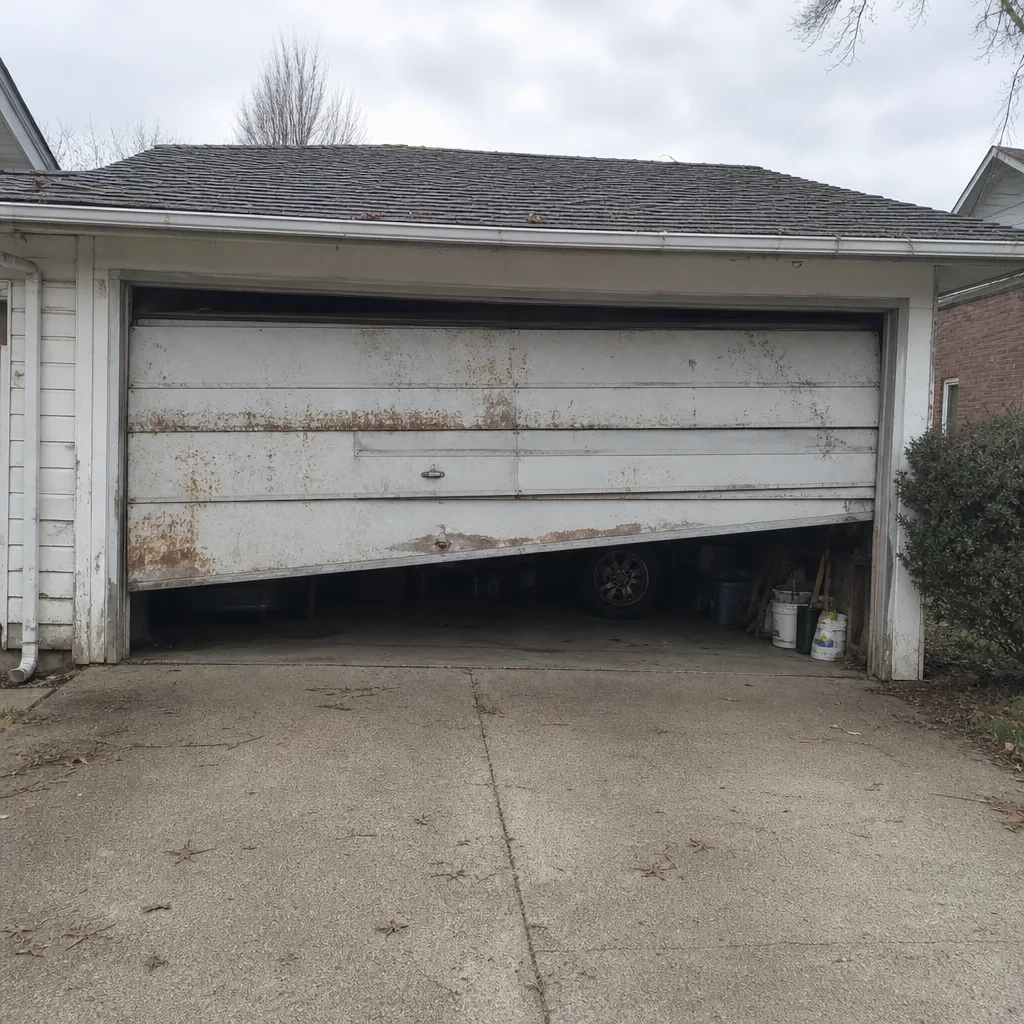 Before
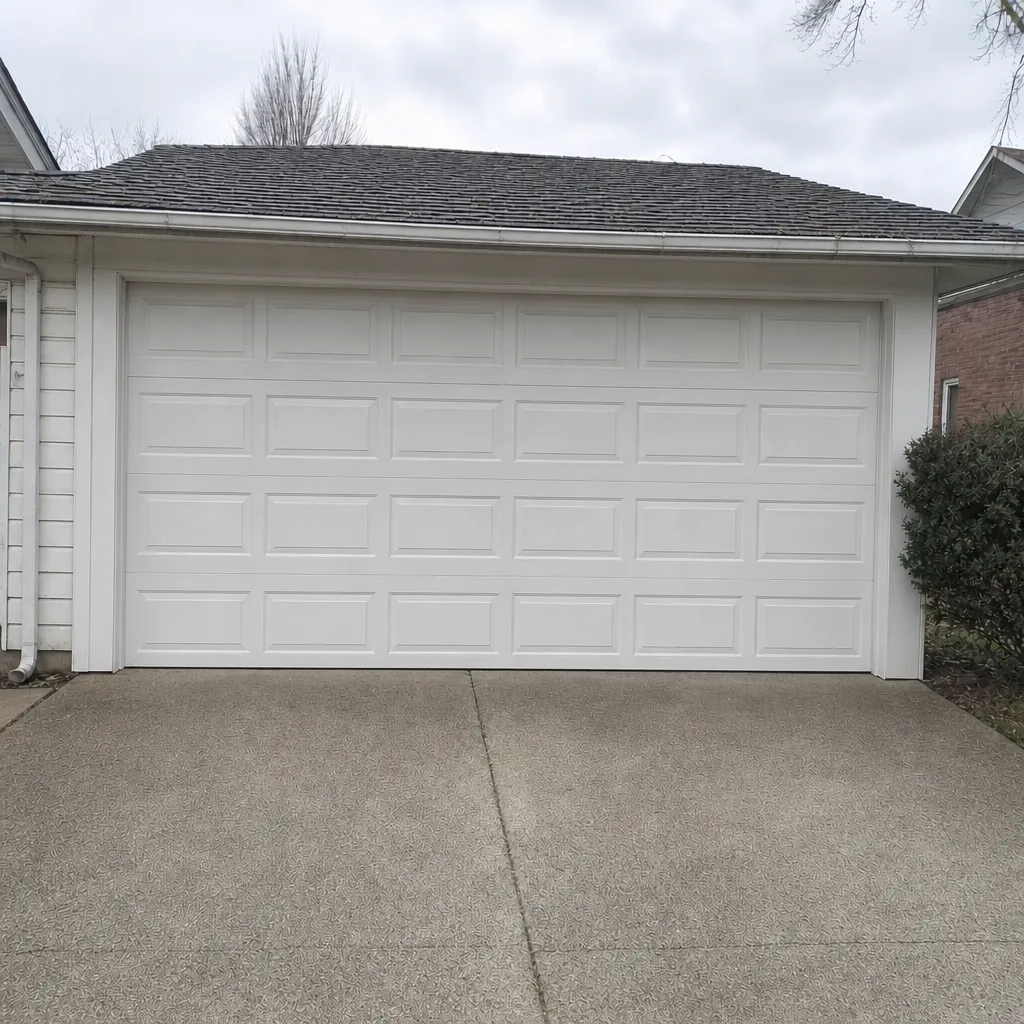 After
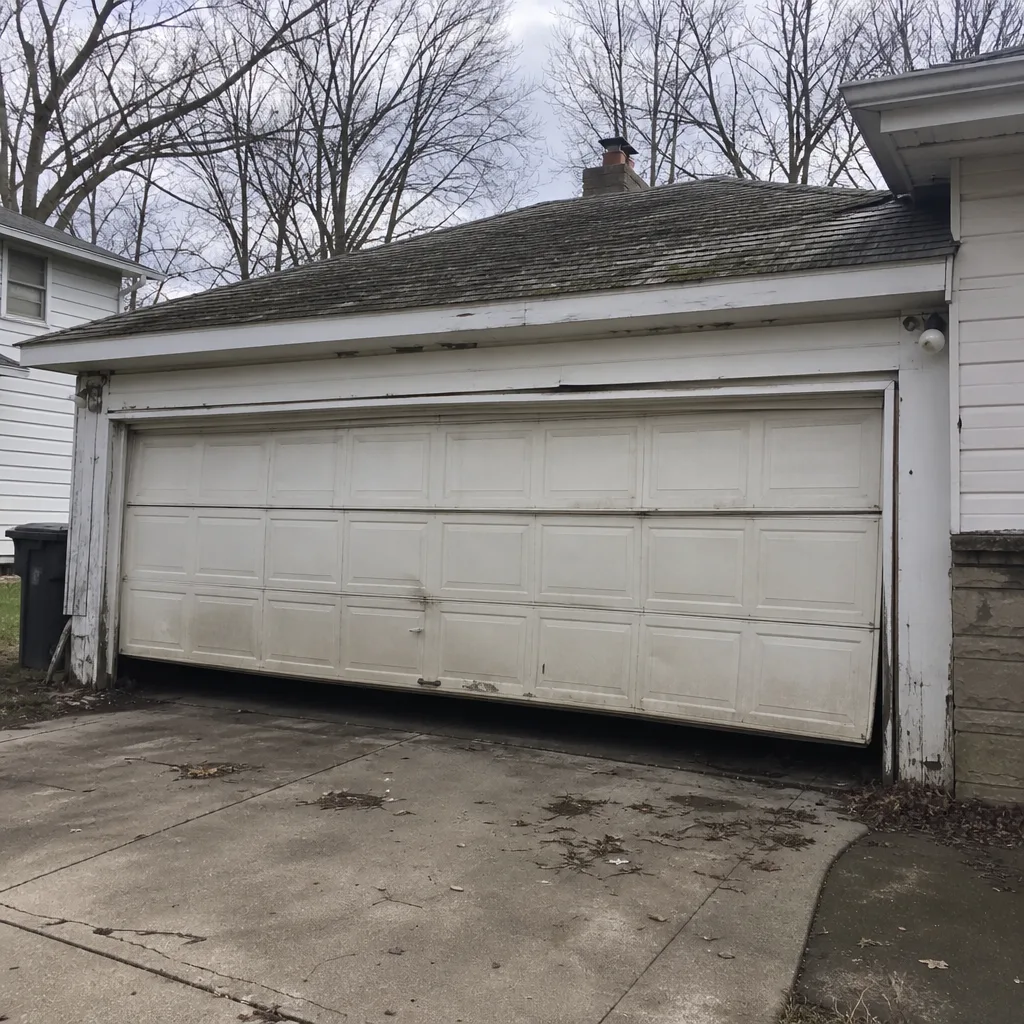 Before
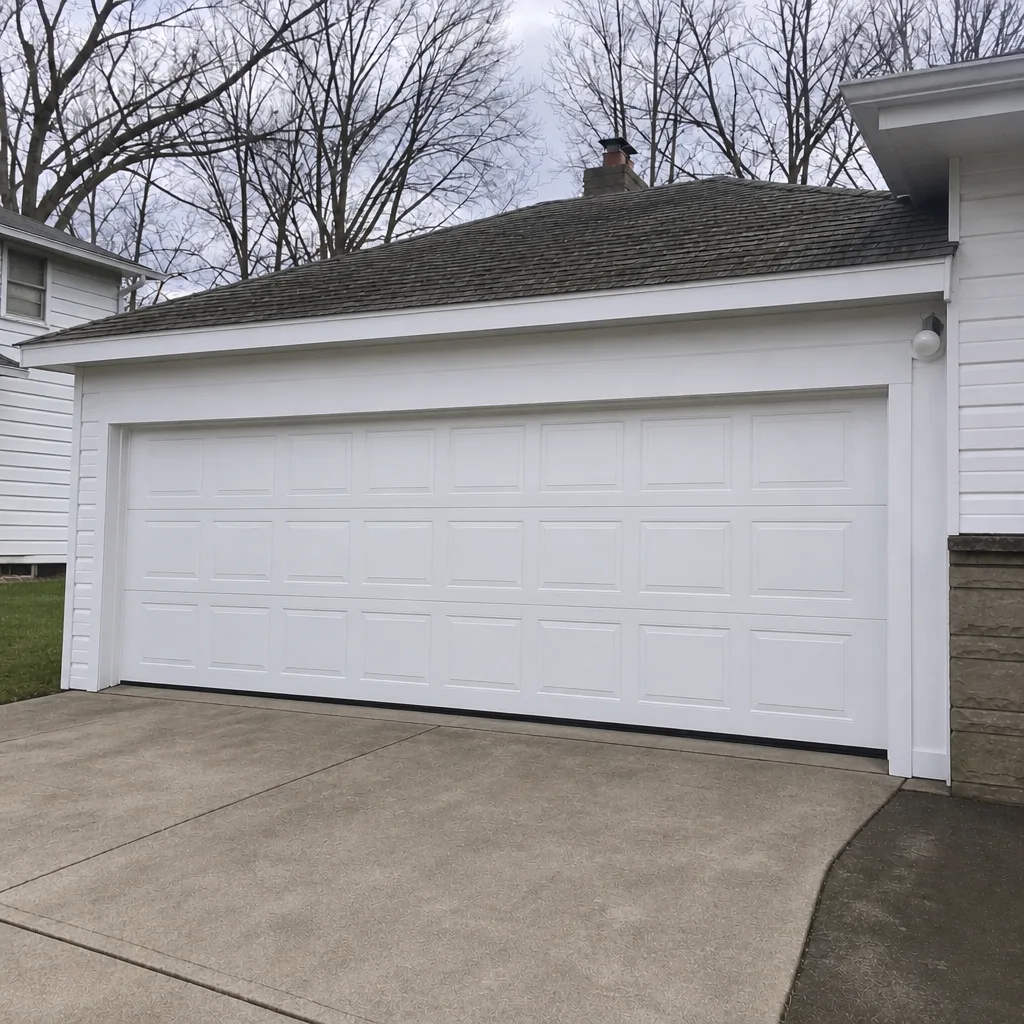 After
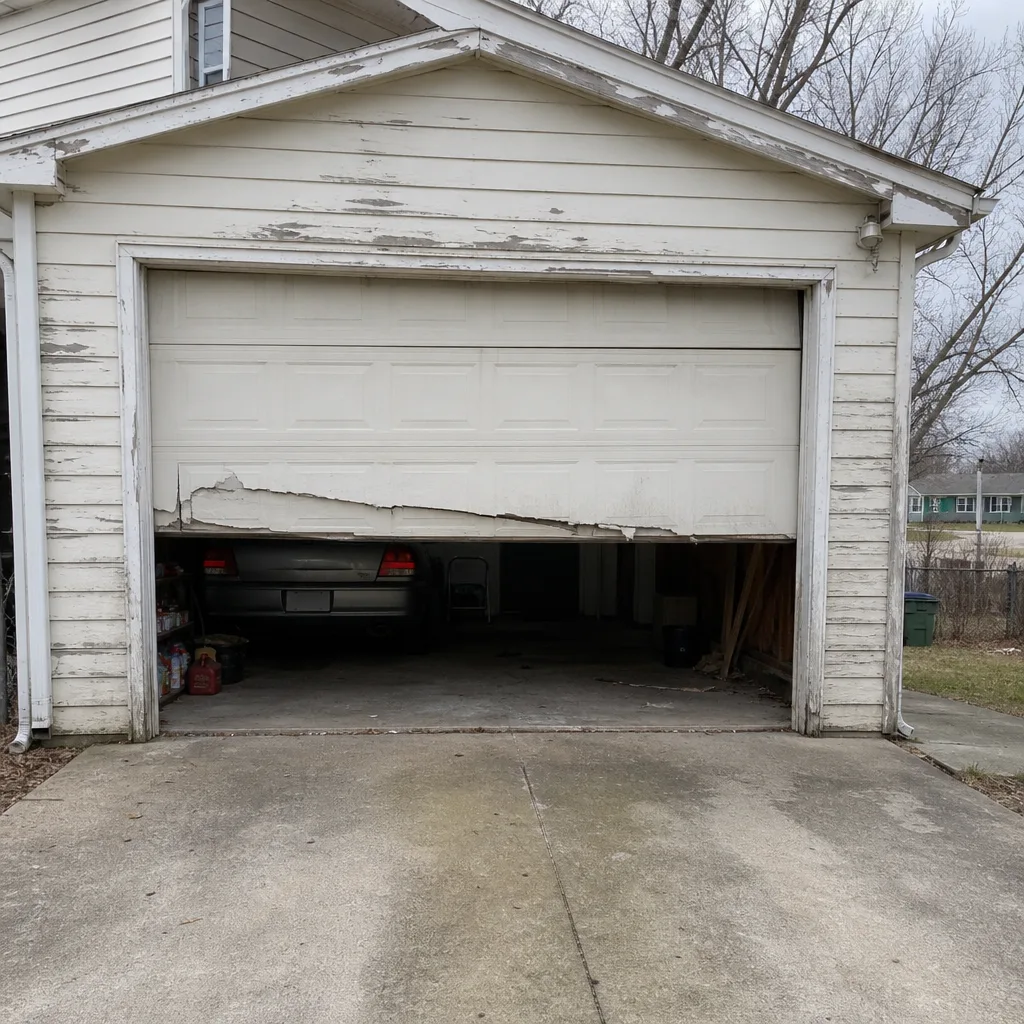 Before
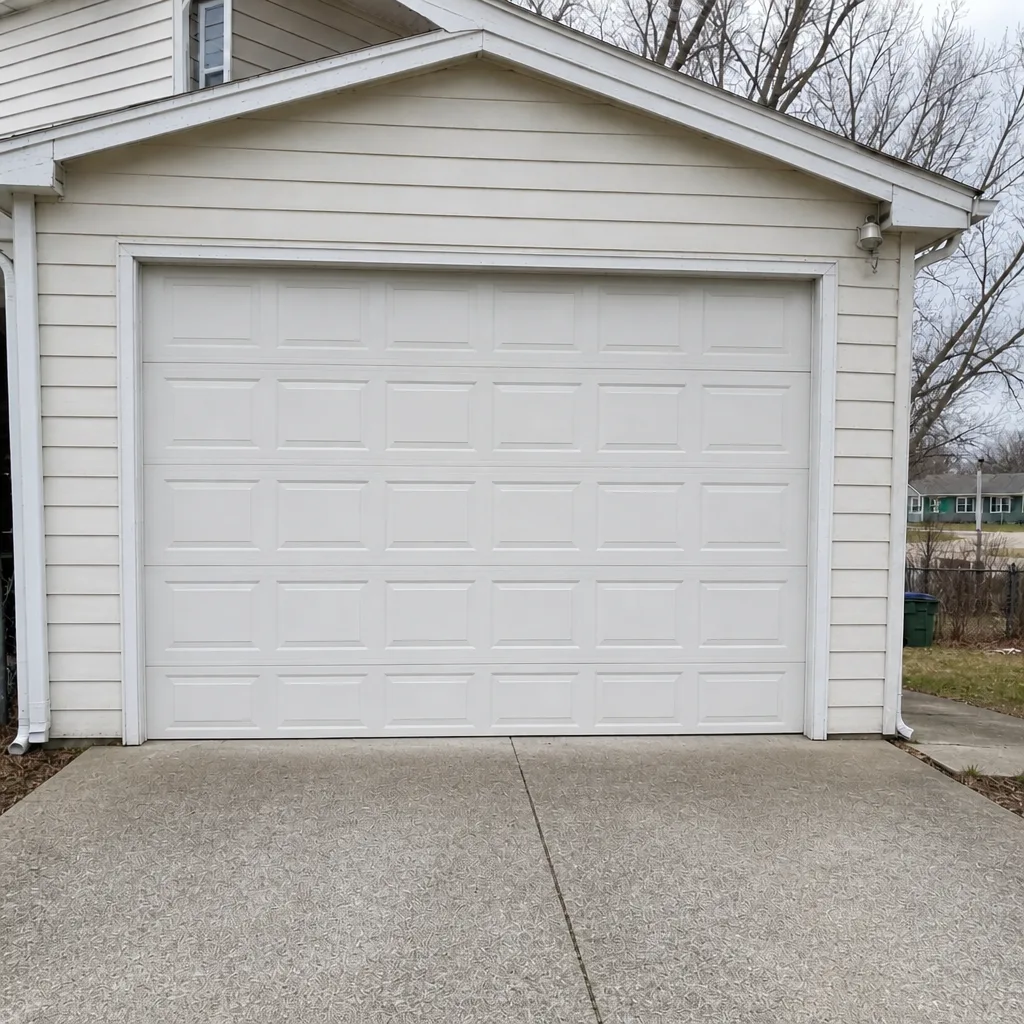 After
When to Call a Professional
Some garage door problems are fine to observe. Others aren’t safe to sit on. Call a specialist if a torsion or extension spring has visibly snapped, if the door is stuck open and won’t close, if the opener runs but the door doesn’t move, if the door comes off its track, or if a panel has cracked in a way that leaves a gap. Don’t touch a spring or cable that looks loose or broken. Don’t force a door that resists. And if your home is open because the door won’t come down, treat that as an urgent call, because a garage door that won’t close is a security matter. Hamilton Garage Door Repair Co offers free estimates in Hamilton. Call (833) 482-6774. We answer 24/7 and provide fast dispatch from 7am to 7pm, Sunday through Friday.
Frequently Asked Questions
Ask what share of their work is garage doors and listen for a specific answer. A genuine specialist works on nothing else and can explain their spring-handling process without hesitation. A generalist will describe garage doors as “part of what we do,” which is your cue to keep looking.
Ohio has no standalone garage door contractor license at the state level, so a license lookup won’t confirm expertise. What you can verify instead is general liability insurance, workers’ comp coverage, business registration, and the written quote structure. Those four items tell you more about a Hamilton company than any single credential.
A legitimate quote itemizes parts and labor separately, with a clear bottom line that sets the final price. Springs, rollers, hinges, cables, and opener parts should each appear as their own line. Avoid a lump-sum quote that doesn’t break down parts and labor; it prevents any useful comparison. Call (833) 482-6774 for a free estimate and an itemized written quote.
Torsion springs store significant energy, and releasing it wrong can cause severe injury. That’s why spring work belongs only with a specialist trained to de-tension and handle the assembly safely. Never attempt a spring repair yourself, and be cautious of any company that treats it as a routine task.
It shouldn’t. The price is quoted and agreed before any work starts, based on the written estimate. If a technician recommends additional work after diagnosis, ask for a revised written quote before anything else happens. No legitimate contractor starts extra work without agreement.
Yes. Fast dispatch from 7am to 7pm runs Sunday through Friday, and we answer the phone 24/7. A call outside dispatch hours is booked into the next opening, Sunday through Friday, 7am to 7pm. Same-day service is available for repairs that need it. Call (833) 482-6774.
The Bottom Line
Vetting a garage door contractor in Hamilton starts with three questions before price ever comes up: what share of their work is garage doors, how do they handle springs, and which brands they’re factory-familiar with. From there, verify insurance and workers’ comp, insist on an itemized written quote, and don’t let urgency change the rules. A specialist answers all of this without hesitation. A generalist finds reasons to change the subject. If you want to run the checklist against our terms, call (833) 482-6774 for a free estimate. We answer 24/7, with fast dispatch from 7am to 7pm, Sunday through Friday. Springs, openers, panels, tracks, and new installation; one specialist for the entire system.
Written by the team at Hamilton Garage Door Repair Co.