
Last updated November 23, 2026
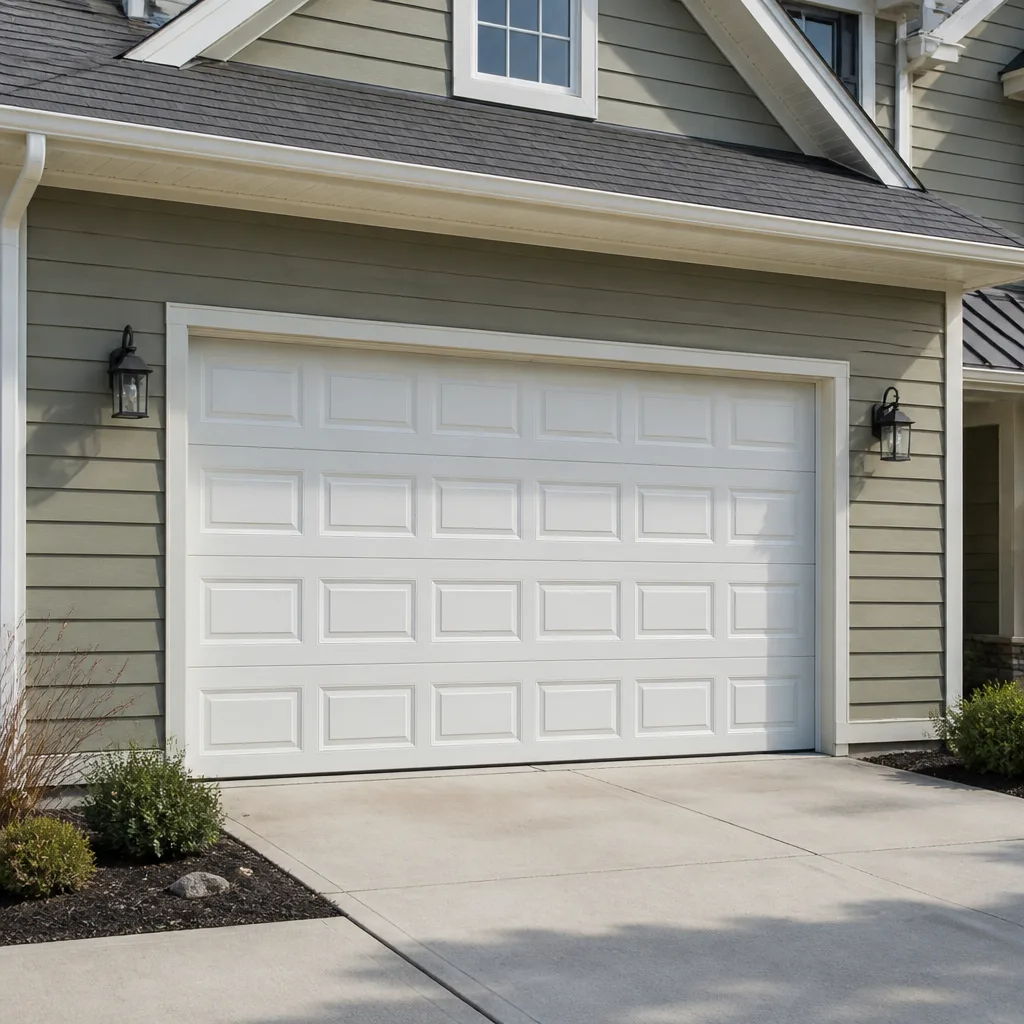 Raised-panel steel
 Carriage house
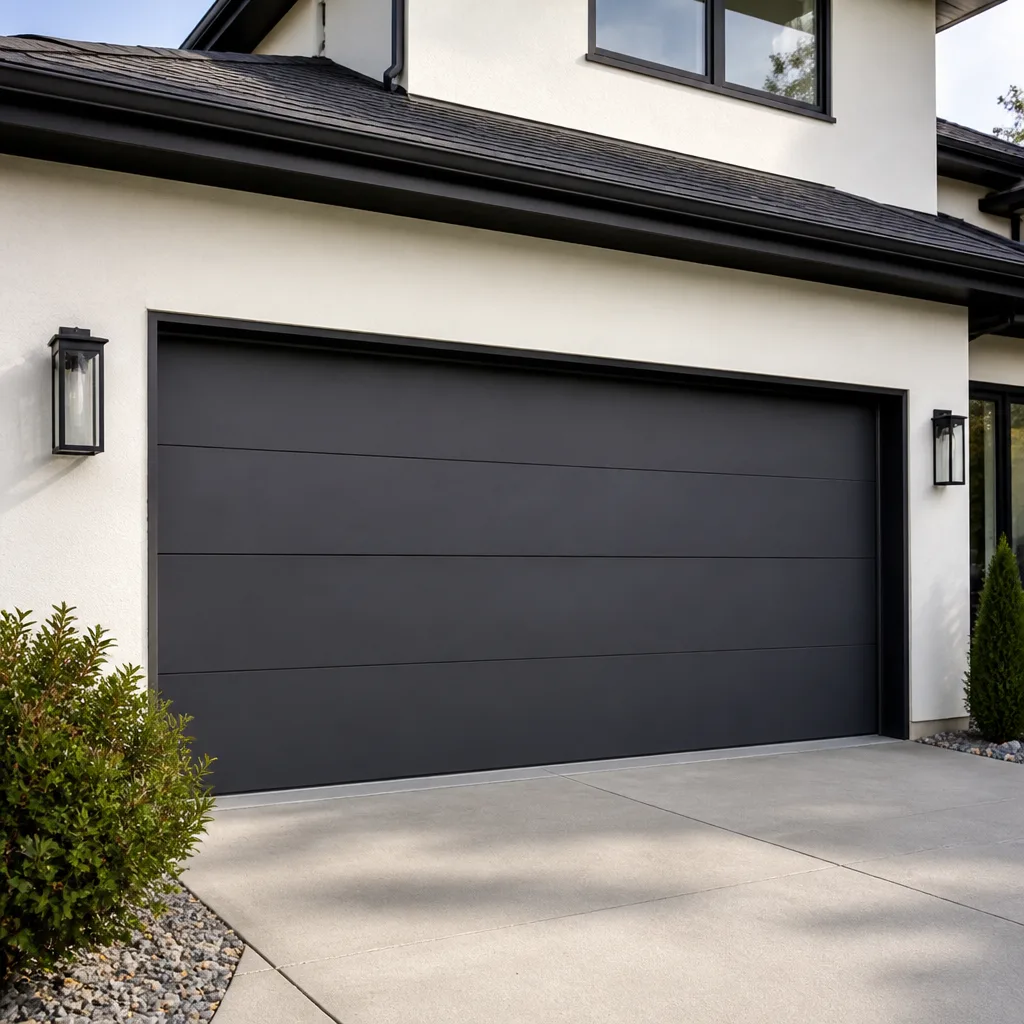 Modern flush
 Full-view glass
 LiftMaster openers
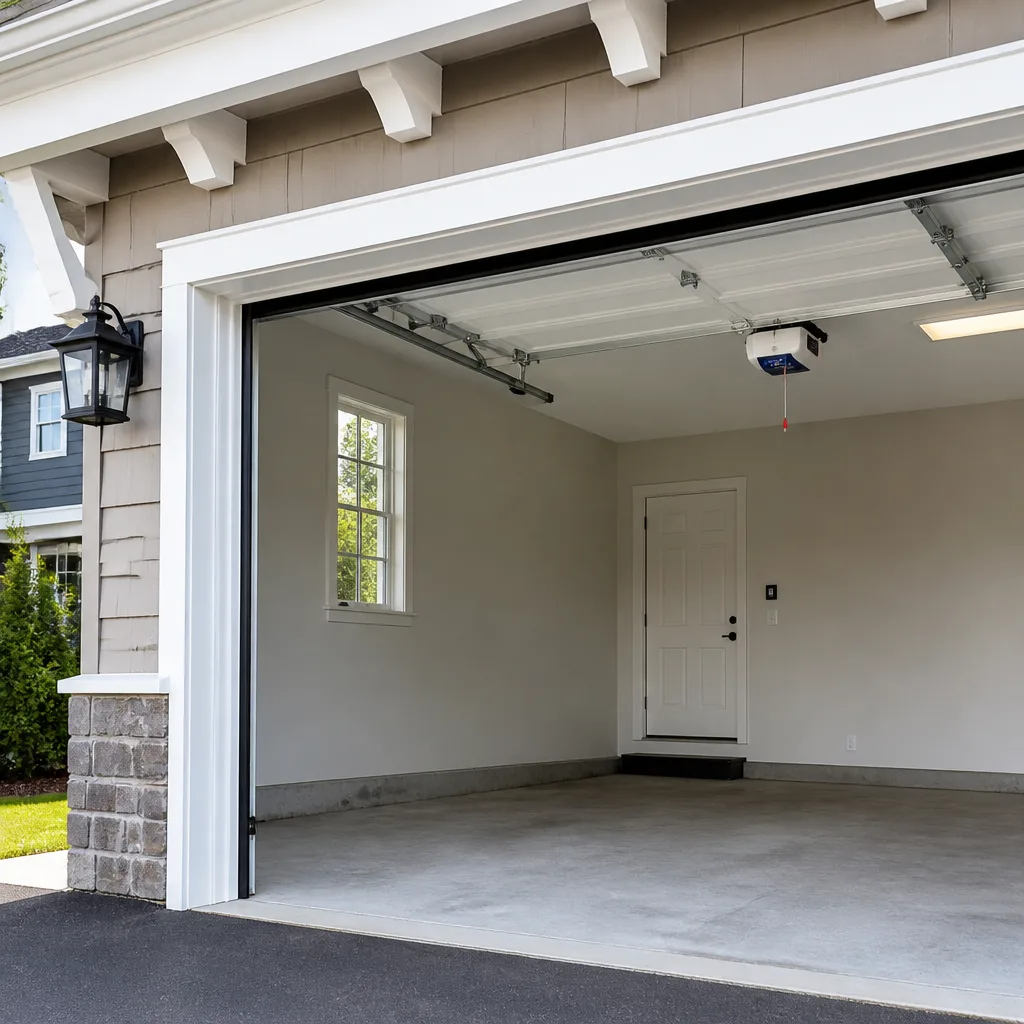 Chamberlain openers
Full 25-point door and opener safety check with every visit - springs, cables, rollers, tracks, and your LiftMaster or Chamberlain opener included
You get a price before we start. It does not change when the pro arrives.
Get your free estimateGarage Door Emergency Preparedness Guide for Hamilton Homes
Most garage door emergencies don’t start with the door. They start with the power. When an ice storm knocks out electricity across Butler County, an opener that’s been quietly reliable for years becomes a dead weight on the rail, and thousands of Hamilton homeowners discover in that moment that they’ve never learned how to disengage it by hand. The red cord hanging from the opener is the whole solution, and pulling it wrong on a door with a compromised spring can drop several hundred pounds of door in an instant. This guide walks you through both categories of emergency, mechanical failure and power failure, because the preparation for each is completely different. You’ll learn the manual release sequence, how to secure a released door, what to do in the first five minutes after a spring snaps, and how to build an emergency card your whole household can use at 2 a.m.
Quick Answer
A garage door emergency in Hamilton usually comes down to one of two things: a mechanical failure that traps you in or out, or a power failure that turns your automatic door into a dead weight. For power outages, learn the manual release sequence and never pull the cord on a door with a broken spring. For mechanical failures, stop operating the door immediately and secure the opening, then call a specialist. Preparing both now, before anything breaks, is what separates a nuisance from a crisis.
Styles & brands we work with
- Raised-panel steel
- Carriage house
- Modern flush
- Full-view glass
- LiftMaster openers
- Chamberlain openers
Table of Contents
- The Two Kinds of Garage Door Emergencies in Hamilton
- The Manual Release Sequence That Prevents a Door Drop
- How to Secure a Manually Released Door During a Long Outage
- The First Five Minutes After a Spring Snaps
- Building the Garage Emergency Information Card
- When a Stuck Door Is a Police Matter First
- Resetting Your Opener After the Power Comes Back
- Prevention: The Seasonal Checks That Catch Problems Early
The Two Kinds of Garage Door Emergencies in Hamilton
When someone calls us about a garage door emergency in Hamilton, the problem almost always falls into one of two categories, and knowing which one you’re facing changes everything about how you respond. Mechanical failures are the first. A torsion spring snaps, a cable jumps its drum, a roller cracks, or an opener gear strips itself down to nothing. The door stops working and stays broken until a technician repairs it. These failures trap you inside the house or lock your car in the garage, and there’s no workaround that restores normal operation.
Power failures are the second, and they’re different in a fundamental way. The door isn’t broken at all. It’s just useless while the opener has no electricity, and it becomes useful again the moment you disengage it by hand. The machinery is fine. The problem is that most Hamilton homeowners have never practiced the manual release, so the door might as well be broken.
The preparation for each is completely different:
- Mechanical failure preparation means knowing the warning signs, having a service number on hand, and understanding which parts are dangerous to touch. You can’t fix a snapped spring yourself, so the goal is fast, safe contact with a specialist.
- Power failure preparation means physically rehearsing the manual release before you need it, on a calm afternoon when the door is healthy and the stakes are low. You can absolutely do this yourself, and you should.
Hamilton’s climate gives both scenarios plenty of chances to happen. Summer thunderstorms roll through and knock out power. Winter ice brings down lines for days at a stretch. And the freeze-thaw cycles between them work hard on the springs, cables, and hinges of every door in the city. A door that was fine in October can sound very different by February, and the homeowners who fare best are the ones who’ve thought through both kinds of failure ahead of time.
The rest of this guide deals with each in turn. We’ve walked hundreds of Hamilton homes through both, and the pattern is always the same: the people who took twenty minutes to prepare never had a real emergency. The ones who didn’t had a bad night.
The Manual Release Sequence That Prevents a Door Drop
Every automatic opener, regardless of brand, has a manual release. On the most common models installed in Hamilton homes, including LiftMaster, Chamberlain, Genie, and Craftsman units, it’s the red cord with a handle hanging from the trolley on the belt or screw rail. Pulling that cord detaches the trolley from the door carrier, and the door is then free to move by hand.
The release itself is simple. The danger is not. On a door with a broken or failing spring, the spring is the only thing counterbalancing the door’s weight. When you disengage the opener on a compromised door, the door can drop instantly and without warning. Several hundred pounds of steel paneling falling onto a person or a vehicle is a serious injury waiting to happen. That’s why the release has a specific sequence, and why you never pull the cord casually.
Follow these steps in order:
- Stand clear and look first. Before you touch the cord, look at the springs above the door. If you see a visible gap in a torsion spring, a dangling extension spring, or a cable hanging loose, stop. Do not pull the release.
- Test the balance by hand from inside. With the opener engaged and the door closed, lift the bottom edge a few inches with your hands. A healthy door should feel manageable. If it feels extremely heavy or won’t stay up on its own, the springs are failing and the release is unsafe.
- Confirm nobody is underneath. Look outside and inside the garage. Make sure no person, pet, or car is directly beneath the door path.
- Pull straight down and hold. With one hand on the door’s bottom edge to steady it and the other on the red handle, pull the cord straight down in a firm motion. The trolley releases with a distinct click.
- Guide the door, don’t let it fall. Keep your hand on the bottom edge and raise or lower the door slowly by hand. If it feels like it’s fighting you, stop and lower it back to the closed position. A door that fights you by hand needs spring work before anything else.
- Leave the trolley released. Once the door is down, leave the opener disengaged. Re-engaging it against a broken spring only makes the problem worse.
If you’re not sure whether your springs are healthy, don’t test the release. Call garage door spring repair and have a specialist look at the system first. Springs are the most dangerous part of any garage door, and no preparation is worth a trip to the emergency room.
How to Secure a Manually Released Door During a Long Outage
Once a door is manually released, it works like any non-automatic garage door: it lifts by hand and lowers by hand. That’s fine for getting the car out. It’s a problem for security because the opener no longer holds the door down. In a multi-day power outage, a released door becomes an easy entry point unless you secure it on purpose.
The most reliable approach for most Hamilton homes is a manual locking bar or a pair of locking pliers on the track, but the right choice depends on the door type. Here’s how to think about it:
- Use a locking bar or bolt if the door has one. Some doors are fitted with a manual slide lock at the bottom rail. If yours has one, engage it whenever the door is down. This is the cleanest solution because the lock is built for exactly this purpose.
- Clamp the track with locking pliers if there’s no built-in lock. Clamp a pair of locking pliers on the vertical track just above a roller on each side, tight against the roller. This stops the door from being lifted from the outside. Remove them before you open the door again.
- Block the door from inside if you have a side-entry door. A rubber wedge or a piece of scrap lumber behind the bottom panel adds a second layer of security.
- Don’t rely on the opener’s lock feature. Many openers have a vacation lock, but without power it does nothing. The release is purely mechanical.
Once the door is secured, walk around the outside of the garage and check the place from an intruder’s view. Can the door be forced up? Are the side windows latched? Is the service door locked? A released door with no lock is a soft target, and it stays a soft target until the power comes back or a technician re-engages the opener.
When power does return, don’t just push the button. Re-engage the trolley on the opener manually, following the manual for your specific brand, then cycle the door up and down once slowly to make sure the travel limits are still correct. If the door cycles roughly or struggles, that’s a repair, not a reset. Call garage door opener repair for a same-day visit.
The First Five Minutes After a Spring Snaps
A snapped spring is loud enough to bring people running from the far side of the house. The sound is a heavy, metallic pop followed by the slamming of the door’s panels or a sudden settling of the whole assembly. If you were standing near the garage, your first instinct will be to lift the door or hit the opener button. Don’t. That’s the moment when the risk of injury is highest and the repair risk to the door is greatest.
Here’s what to do in the first five minutes, step by step:
- Step clear of the door and stay clear. Move anyone nearby out of the door’s travel path, including pets and vehicles if you can do it safely. Don’t walk under the door.
- Don’t press the opener. The opener is now driving a door that has half its lifting force. It will fight, jam, strip its drive gear, or worse. Leave the button alone.
- Look at the springs above the door. For a torsion system, the springs are on the shaft above the door, and a break usually shows as a visible gap of several inches. For an extension system, the springs run horizontally along the tracks on either side of the door, and a break shows as a stretched-out, dangling spring. Identify which type you have so you can describe it on the phone.
- Confirm the door is in the down position and lock it if possible. A door with a broken spring sits heavy against the ground. That’s the safest state. If the door is stuck up, don’t try to force it down yourself. Call us and we’ll talk you through what to do or send someone.
- Call a specialist. Spring replacement is the most dangerous repair in the garage door trade. Torsion springs are under extreme tension even when they look calm, and the tools used to unwind them can turn a small mistake into a broken wrist. This is a job for a trained technician, not a weekend project.
One more point: don’t buy a replacement spring and try to install it yourself. The springs you need are matched to your door’s weight, and a mismatched spring can fail almost immediately. A technician who can look at your door, weigh it, and match the spring properly is the only safe path. In the meantime, keep the door shut and locked and use the service door.
Building the Garage Emergency Information Card
At 2 a.m., with the power out and the door stuck, the person who needs to fix the situation may not be the person who reads this guide. It may be your spouse, your teenager, your neighbor, or a house sitter. That’s why the single most useful preparation you can do is to build an emergency information card for the garage and mount it where anyone can find it.
The card should be a laminated index card or small sheet, mounted inside the garage on the wall beside the opener’s power cord, or on the inside of the service door where everyone will see it. Tape or screw a small plastic sleeve to the wall so the card stays put and stays legible.
What to put on it:
- Door type and size. Sectional, single or double car, and if you know it, the panel material (steel, aluminum, wood, or composite).
- Door weight if you know it. If you don’t, write “unknown” and note the number of panels. A technician can weigh it on arrival.
- Spring type. Torsion (spring on the shaft above the door) or extension (springs along the side tracks). This is the single most important fact for a fast phone call.
- Opener brand and model. Write it from the label on the opener housing. Include the model if you can see it, and note if it has a battery backup.
- Service number. The number to call for a professional visit. Ours is (833) 482-6774.
- Whether the manual release has been tested and when. A simple “release tested: yes/no” line so you know whether the reader can trust the cord.
- Where the manual release cord is. A simple drawing of the opener with an arrow to the red cord.
Update the card whenever you have service done on the door, get a new opener installed, or move into a new home in Hamilton. A card that says “LiftMaster” when you now have a Genie opener is worse than useless. Take five minutes once a year to check it against the actual equipment.
If you’re not sure what to write, call us. We can tell you your spring type and door type from the model numbers on your opener and the door.
When a Stuck Door Is a Police Matter First
Here’s a scenario that happens more often than people realize: a garage door stops in the up position, and by the time the homeowner notices, someone has already been inside the garage or tried to get in. In that case, the repair is the second call, not the first.
A stuck-open door is an entry point. If you come home to find the door up, the door is stuck, and there are signs someone has been on your property, treat it as a security incident. Call your local police non-emergency line first. Don’t touch anything, don’t move vehicles, and if you’re inside the house, lock the door between you and the garage.
The specific scenarios where security overrides repair logistics:
- Signs of tampering. The track is bent, the manual release has been pulled from outside, or the bottom panel has marks that suggest someone tried to force it. Call the police before you call us.
- Items missing from the garage. If anything is out of place, don’t secure the door yet. Let the police document the state of things first.
- A door that won’t stay closed overnight. If your door is stuck open and can’t be closed by hand, secure the interior of the house and call the police about a vulnerable entry point. Then call us for the repair.
- Someone is inside the garage or on the property. That’s a 911 call, not a repair call.
Once the police have finished their side and the scene is safe, that’s when the repair call comes. If the door frame is damaged or the panel is off track, the repair may need to happen after dark, and we handle that. Call garage door repair and let us know the door is a security concern. We’ll prioritize it and walk you through temporary measures until a technician arrives.
Remember the sequence: secure yourself, secure the property, call the police, then call for the repair. A door that’s down and locked is better than a door that’s repaired and open, even if the repair has to wait an hour or two.
Resetting Your Opener After the Power Comes Back
When the power returns after a long outage, your opener may or may not behave normally right away. Some units come back clean. Some need a reset because the travel limits drifted during the outage, the safety sensors lost their alignment, or the remote needs to re-pair. Walking away from a door that’s cycling strangely after an outage is how a small reset becomes a spring repair.
For the most common brands in Hamilton homes, the reset sequence is similar:
- Re-engage the manual release before you press anything. Raise the door by hand until it’s fully up, then pull the trolley back onto the opener rail until it clicks. Don’t force it.
- Press the wall button once to restore power to the opener. If the door cycles up and down cleanly, you’re done. If it stutters, strains, or reverses, go to the next step.
- Check the safety sensors first. Look for a small indicator light on each of the two sensors at the bottom of the door tracks. Most brands use a solid light on the sending side and a lit or blinking light on the receiving side. If either light is dark or blinking, clean the lens with a soft cloth and realign the sensors by hand until both lights are steady.
- Run the travel-limit test. Press and hold the wall button to close the door fully, then press it to open fully. Watch the full cycle. The door should move smoothly without straining or reversing partway.
- Re-test the manual release. Once the door is cycling cleanly, pull the release, then re-engage it. The cord should move freely and the trolley should reconnect on the first try.
If the opener cycles unevenly, reverses unexpectedly, or refuses to re-engage, don’t keep pushing the button. Something else shifted during the outage or the last operating cycle, and calling for a check is cheaper than letting the opener grind through a fault. Our technicians have up to 8 years of experience with LiftMaster, Chamberlain, Genie, Craftsman, Amarr, Wayne Dalton, and Raynor equipment, so whatever opener is on your Hamilton home, we can service it without a brand switch.
Prevention: The Seasonal Checks That Catch Problems Early
The best garage door emergency is the one that never happens. Most of the failures we see in Hamilton homes gave warnings for weeks or months before they turned into a 2 a.m. call. A few minutes of routine checking, especially around the seasonal shifts, catches most of them early.
Walk through these checks a few times a year, especially before summer storm season and again before the first hard freeze:
- Listen for new sounds. Squeaks, grinding, or popping when the door moves are early signs of worn rollers, dry hinges, or a failing spring. Note new sounds and mention them on your next service call.
- Check the springs for gaps. With the door closed, look at the spring(s) above the door and along the tracks. A visible gap, sag, or dangling section is a broken or failing spring. Call for spring service before anything else happens.
- Test the balance once a month. Close the door, pull the manual release, and lift the door to waist height. A healthy door should stay there on its own. If it drifts down or up, the springs need attention.
- Test the safety reversal. Place a block of wood on the ground in the door’s path and press the button to close the door. The door should reverse when it contacts the block. If it doesn’t, the sensors or the opener’s force settings need attention.
- Lubricate the moving parts. A few drops of a garage-door-rated lubricant on the hinges, rollers, and hinges keeps the door quiet and reduces strain on the opener.
- Tighten the track bolts once a year. Vibration from the door cycling loosens the mounting hardware over time, and a loose track is an off-track waiting to happen.
- Run the manual release test. The single most important check on this list. Once a year, pull the red cord, guide the door by hand to the closed position, and re-engage the trolley. This is your power-outage drill, and doing it routinely means you’ll actually remember the sequence when the lights go out.
When the door starts asking for something you can’t safely check, that’s the time to call. Our garage door repair team can catch spring wear, cable fray, and roller problems before they become emergencies, and we do it on your schedule instead of in the middle of a storm.
Common Mistakes to Avoid
- Pulling the manual release on a door with a broken spring. That single pull can send the whole door crashing down. Always check the springs before you disengage anything, and if you can’t tell, don’t pull.
- Pressing the opener button “to see if it works” after a spring snaps. The opener is now fighting half the door’s weight. It will overheat the motor, strip the drive gear, or bend the door panels. Leave the button alone.
- Leaving a manually released door unsecured during a long outage. A door with no lock is a door an intruder can open from the outside. Lock it up before you go to bed, even if that means an extra step every night.
- Buying a replacement spring off the shelf without matching it to the door. Springs are matched to door weight, and a mismatched spring can fail immediately or damage the opener. A technician who weighs the door is the only safe match.
- Ignoring a door that’s suddenly hard to lift by hand. In Hamilton’s freeze-thaw cycles, this is usually the first sign of a failing spring or a seizing hinge. A small service call now prevents a full emergency later.
- Assuming a reset will fix a door that’s cycling strangely after an outage. If the sensors, limits, or spring aren’t right, a reset just hides the symptom. Call for a check when the door comes back wrong.
- Not having an emergency information card on the wall. The details matter at 2 a.m., and the person who needs them may not be the person who read the manual. Mount the card and keep it current.
See the difference
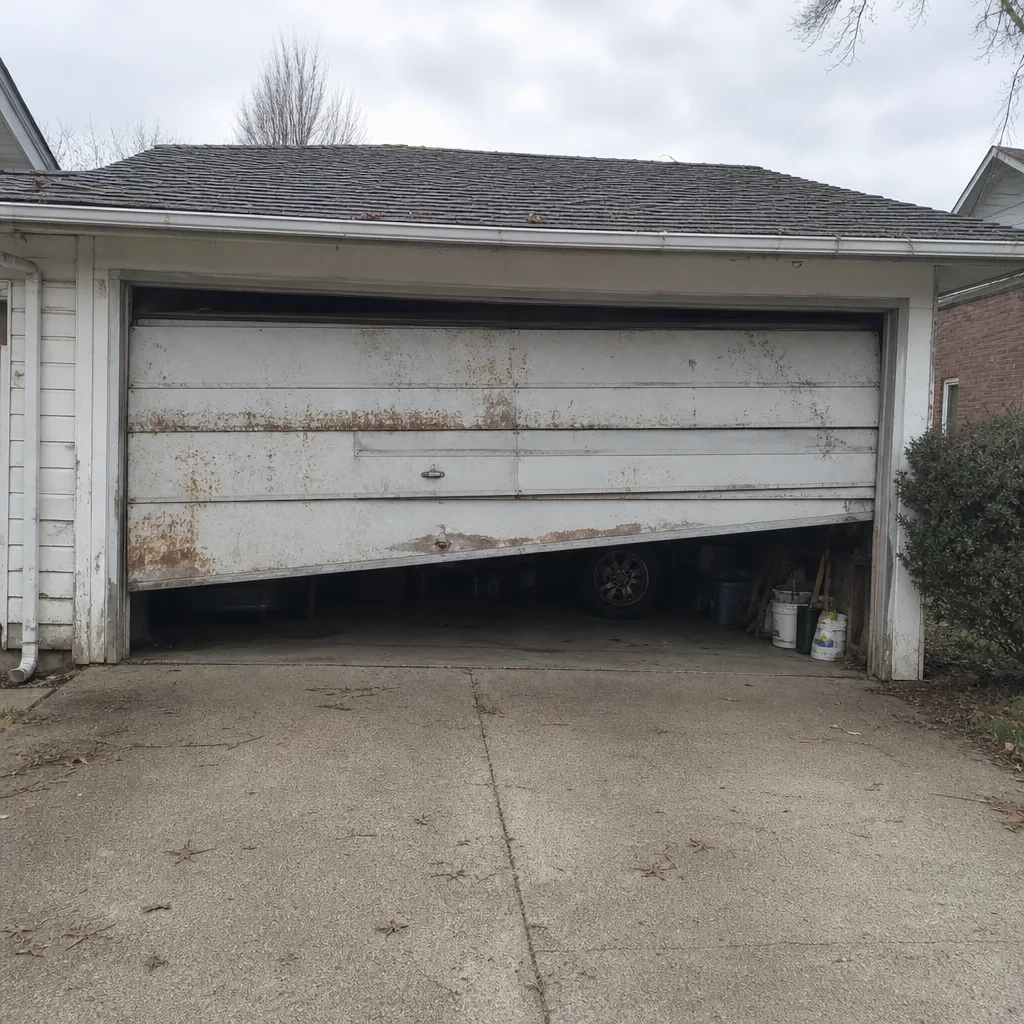 Before
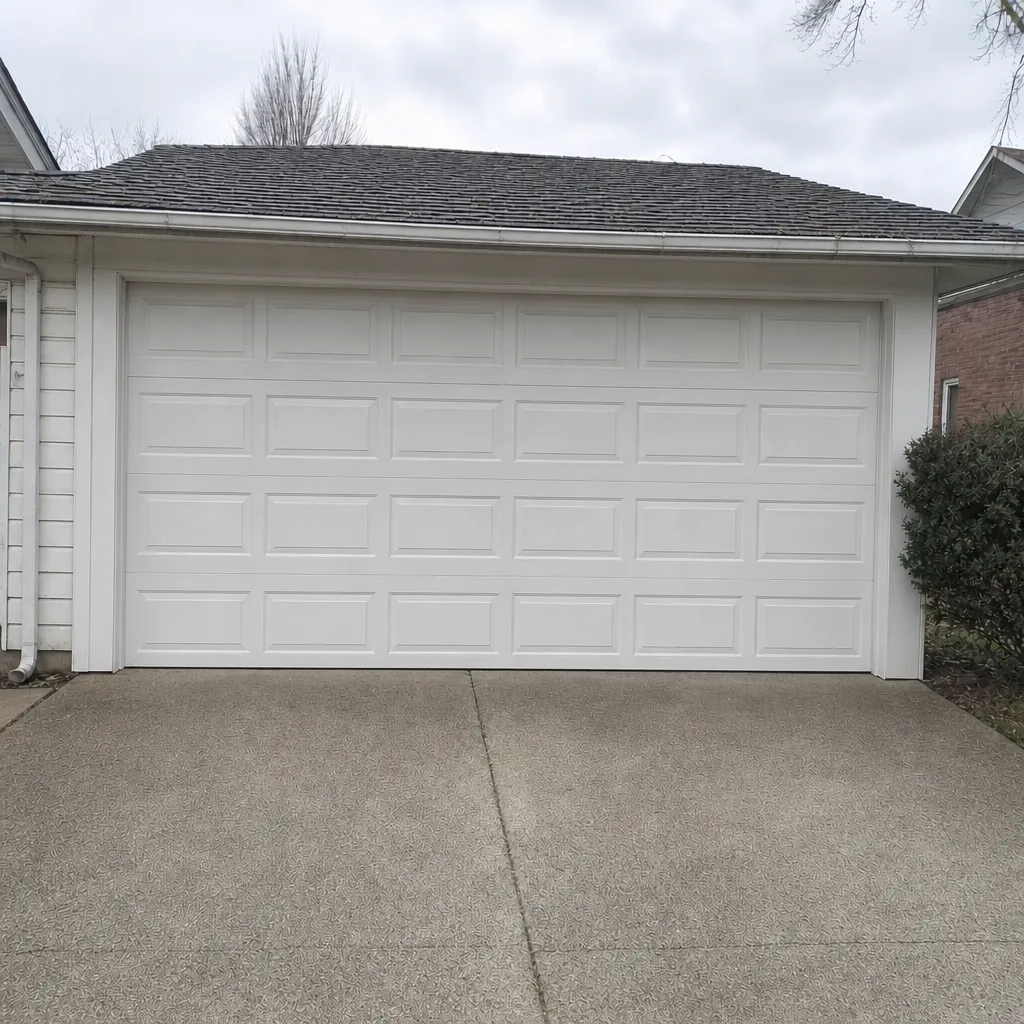 After
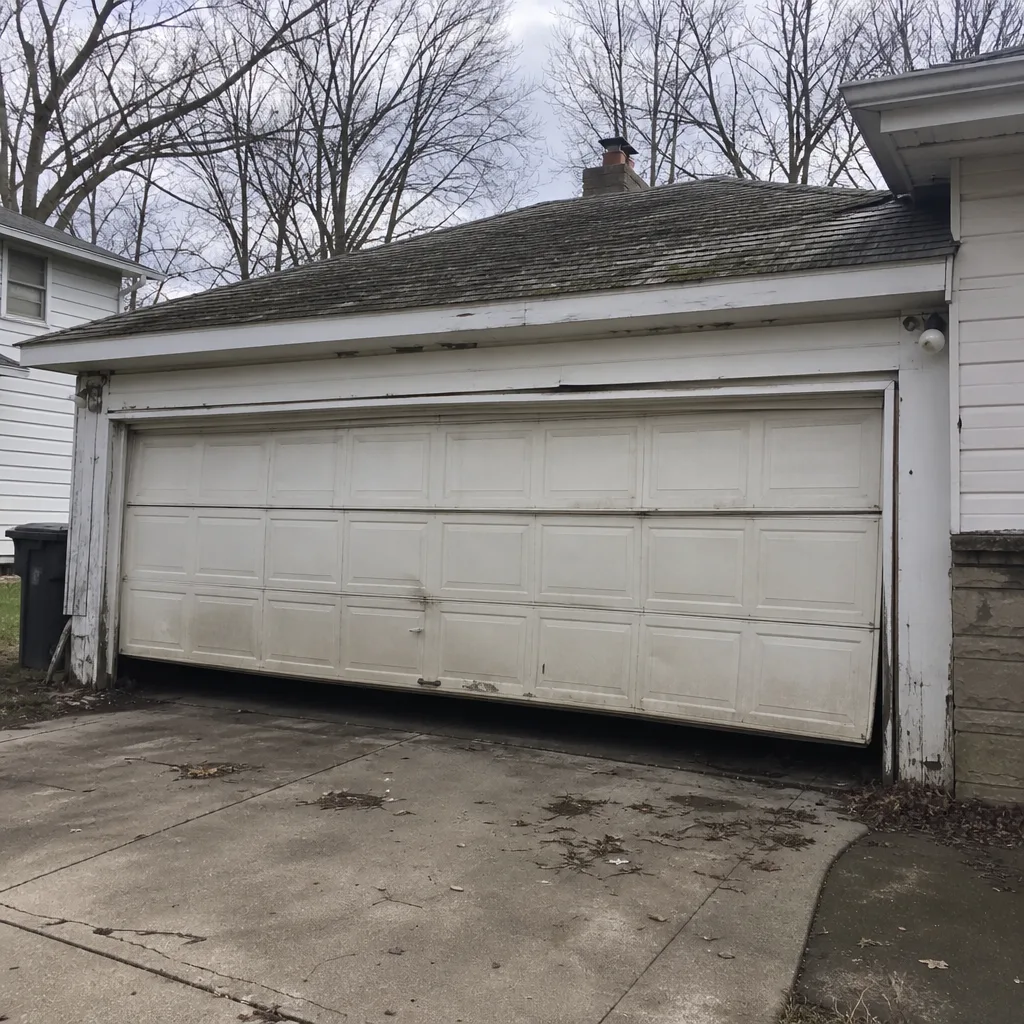 Before
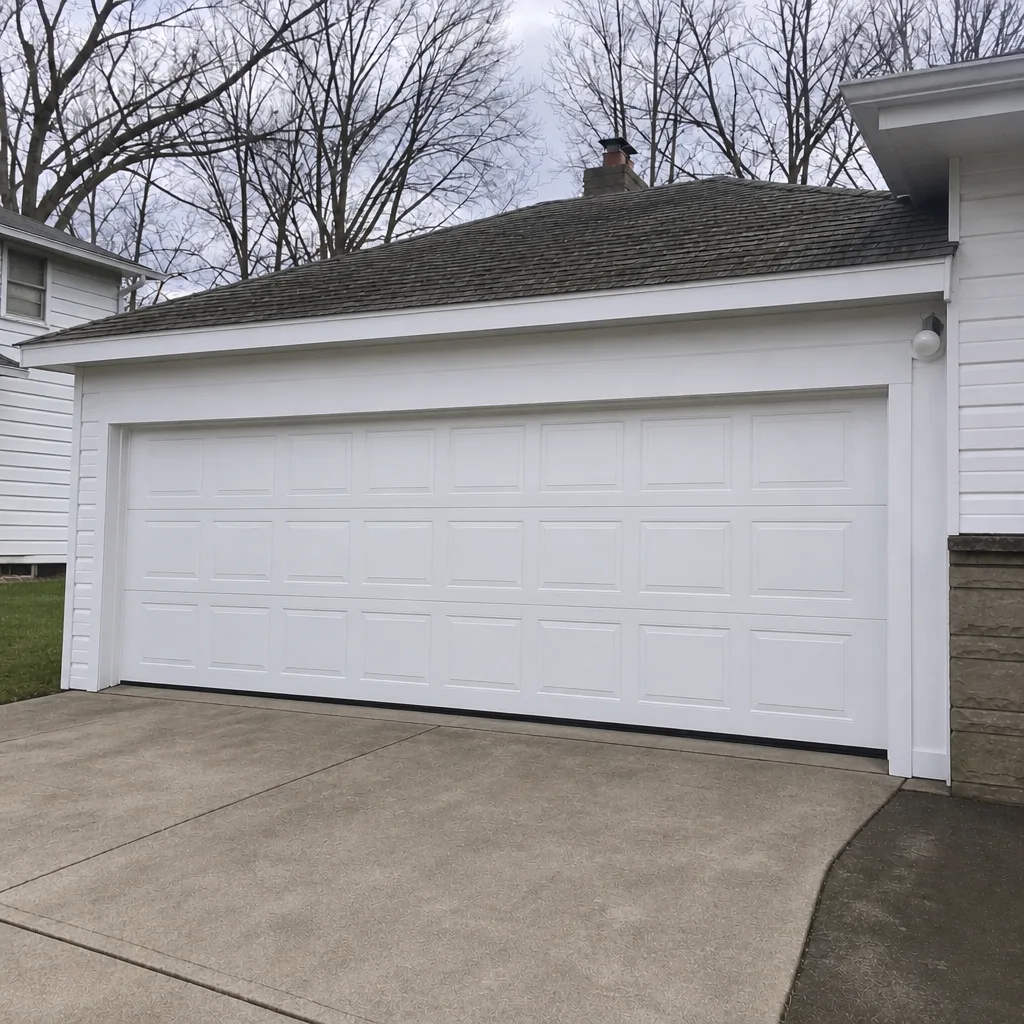 After
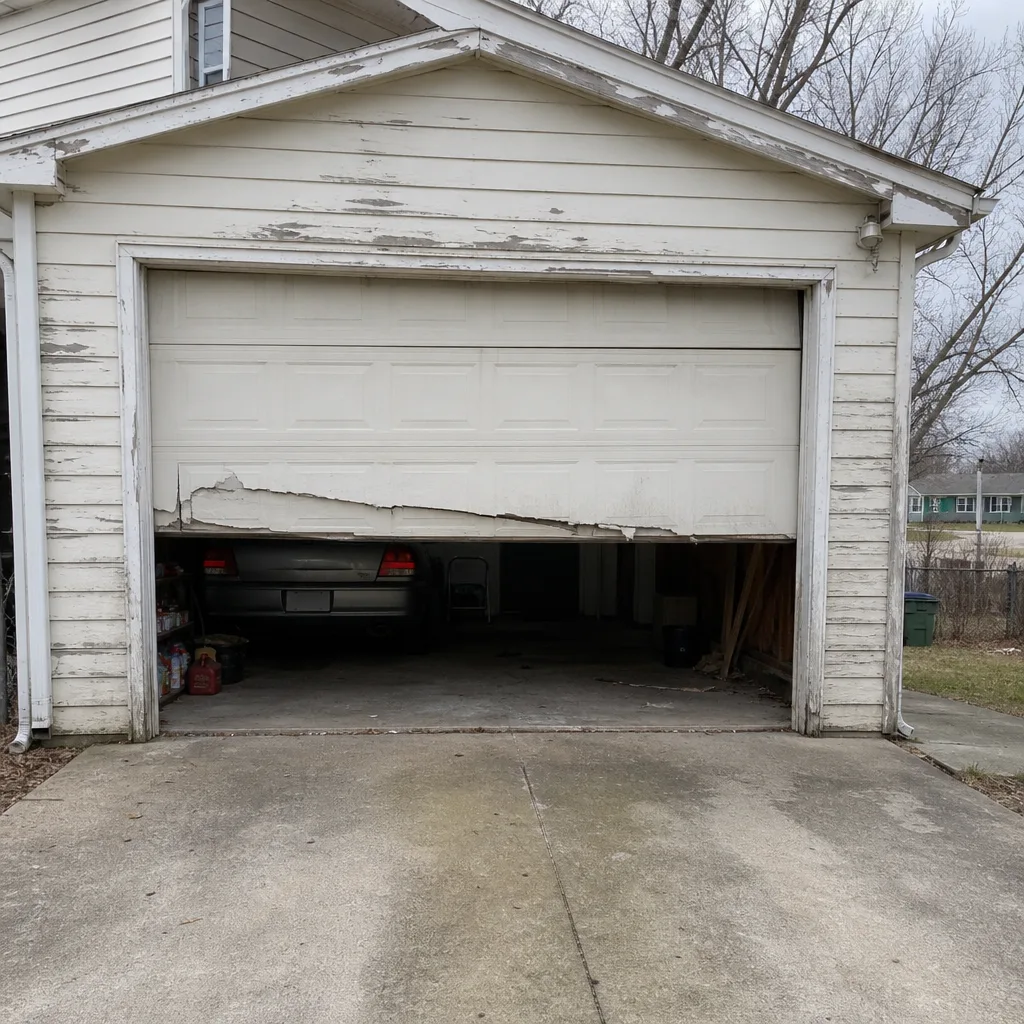 Before
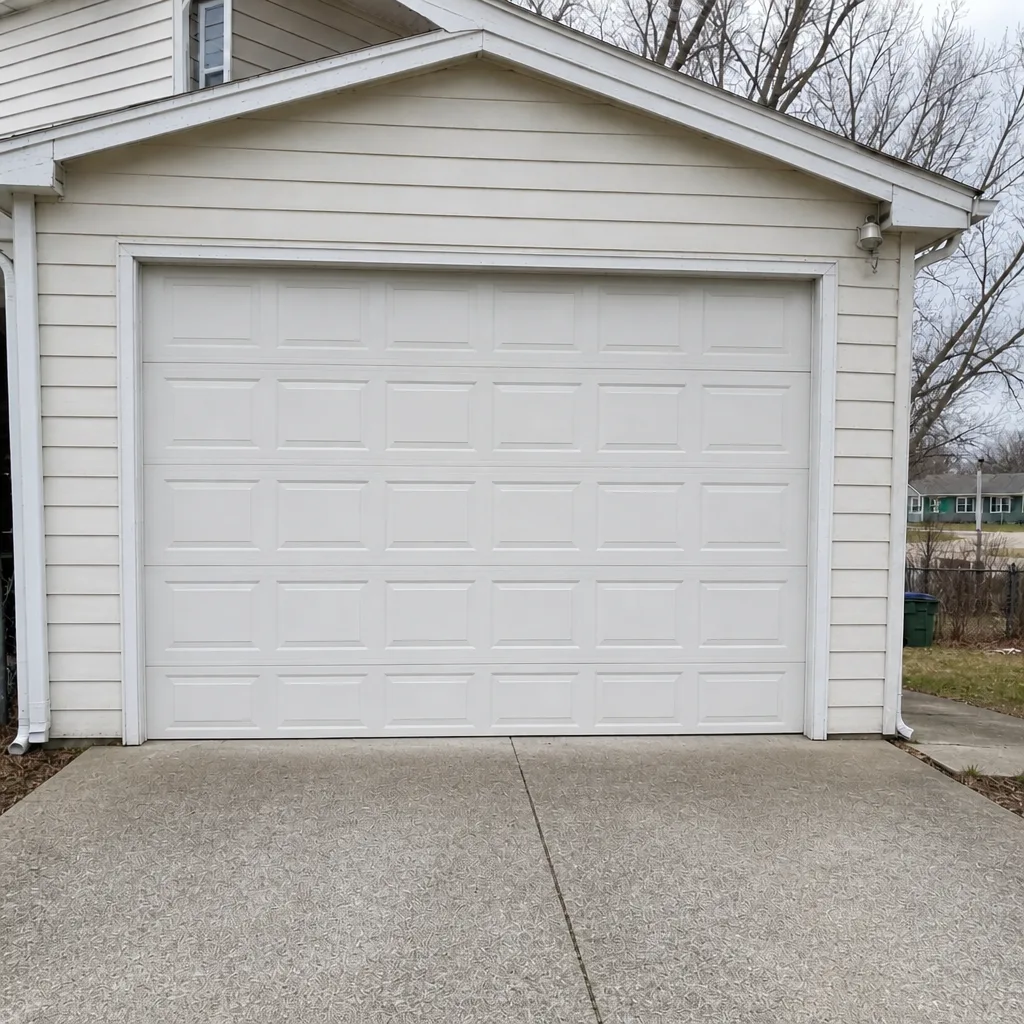 After
When to Call a Professional
Some garage door problems are safe to handle yourself: a sensor realignment, a battery change in a remote, a manual release that you’ve practiced on a healthy door. Others are a call to a specialist the moment you notice them. Call us if a spring has snapped or looks broken, if the door has come off track or one side hangs lower than the other, if a cable is frayed or slack, if the door is too heavy to lift by hand, if the opener runs but the door doesn’t move, or if the door has failed in the open position and you can’t secure it yourself. Hamilton Garage Door Repair Co offers free estimates in Hamilton. We answer 24/7, with fast dispatch from 7am to 7pm, Sunday through Friday. Call (833) 482-6774 and we’ll get a technician out to look at it. The price is set before any work starts, so you know what you’re paying for before we touch the door.
Frequently Asked Questions
Pull the red release cord hanging from the trolley on the opener rail, but only after checking that the springs are healthy. Look at the springs first, lift the door a few inches by hand to confirm it’s manageable, make sure no one is underneath, then pull the cord straight down and guide the door slowly by hand. Never pull the release on a door with a broken spring. If you’re not sure, call (833) 482-6774 and we’ll talk you through it. We answer 24/7.
Stop operating the door and keep everyone clear of it. Don’t press the opener, don’t try to lift the door by hand, and don’t attempt to close it if it’s stuck up. Look at the springs to see which one failed, keep the door in the down position if you can, and call a specialist. Spring replacement is the most dangerous repair in the trade and needs a trained technician. Call (833) 482-6774. We answer 24/7, with fast dispatch from 7am to 7pm, Sunday through Friday.
You can safely reset an opener after a power outage, realign the safety sensors, and practice the manual release on a healthy door. You should not attempt spring, cable, or track repair. Those parts are under extreme tension, and the failure mode is serious injury. For anything involving those components, call a professional. Call (833) 482-6774 for a free estimate.
Manually lock the door down every night after you’ve used it. Use the door’s slide lock if it has one, or clamp locking pliers on the track just above a roller on each side. Check that the side windows are latched and the service door is locked. A released door with no lock is a vulnerable entry point. If you’re not sure the door is secure, call (833) 482-6774 and we’ll walk you through it.
Secure yourself and the property first, then call for the repair. If you see signs someone has been in the garage, call your local police non-emergency line before anything else. Once the scene is safe, call a specialist to get the door down or repaired. We answer 24/7. Call (833) 482-6774.
No. The price for the work is set per job by the written estimate, and it’s quoted and agreed before any work starts. You’ll know the price before we touch the door, whether the repair happens during the day or in the middle of the night. Call (833) 482-6774 for a free estimate.
The Bottom Line
Garage door emergencies in Hamilton come down to two questions: is the door broken, or is it just disconnected from the power? Prepare for both and most emergencies stop being emergencies. Learn the manual release sequence and rehearse it on a healthy door, never pull the release on a door with a broken spring, secure a released door every night during an outage, and know what to do in the first five minutes after a spring snaps. Build the emergency information card, mount it where everyone can find it, and run the seasonal check on your door before the next storm season. When something breaks, we’re one call away. Call (833) 482-6774 for a free estimate. We answer 24/7, with fast dispatch from 7am to 7pm, Sunday through Friday. Our technicians have up to 8 years of experience, and they handle every brand on your door, from the opener repair to garage door installation when the old one has finally earned its retirement.
Written by the team at Hamilton Garage Door Repair Co.